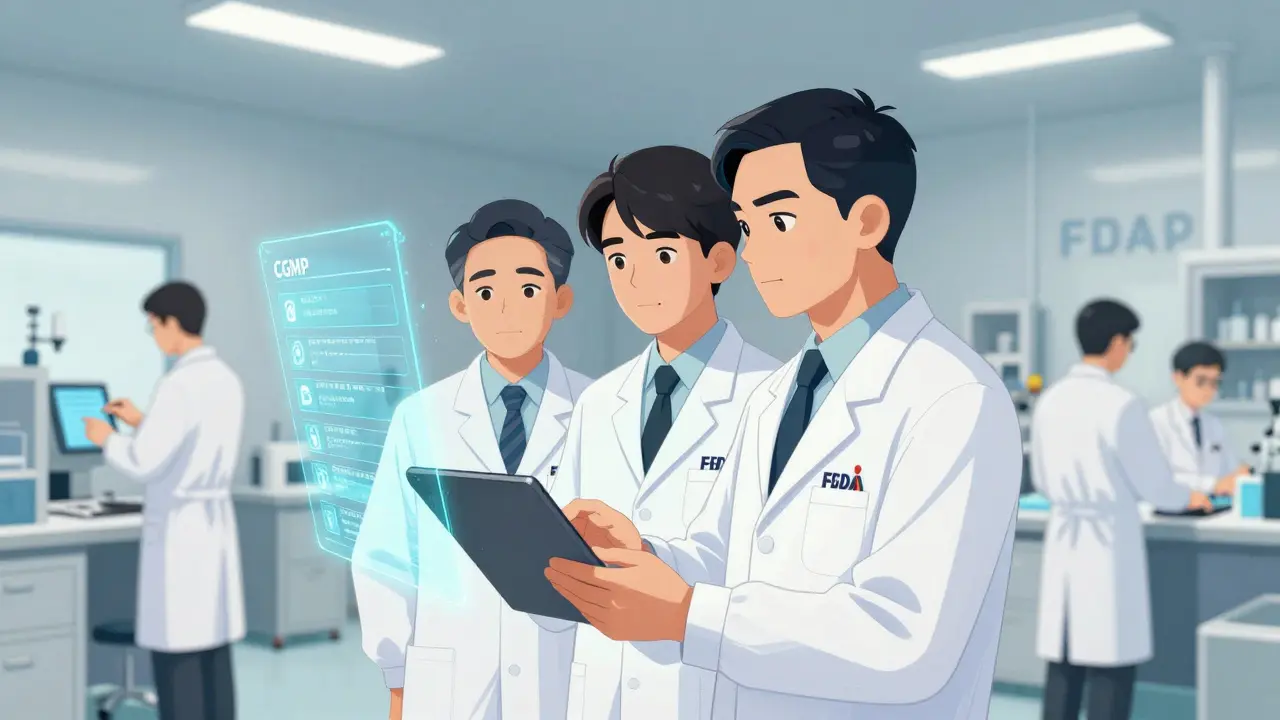
When the FDA shows up at a generic drug manufacturing facility, it’s not a surprise visit-it’s a systematic evaluation of whether that facility can consistently produce safe, effective, and high-quality medicine. If you work in generic drug production, you know inspections aren’t just about paperwork. They’re about proving your entire operation is built on solid science, clear procedures, and real accountability. The FDA doesn’t show up to catch you off guard. They show up because they have to-and you should be ready.
Why the FDA Inspects Generic Drug Facilities
The FDA doesn’t inspect generic drug manufacturers because they distrust the industry. They do it because federal law requires it. Under 21 CFR Part 211, every facility making drugs for the U.S. market must follow Current Good Manufacturing Practices (CGMP). These aren’t suggestions. They’re legally binding rules covering everything from how raw materials are handled to how final products are tested and stored. Generic drugs make up over 90% of prescriptions filled in the U.S. But they’re not cheap to make. They’re complex. A single tablet might contain 10+ ingredients, each with specific purity and stability requirements. If one step goes wrong-say, a mixing machine isn’t calibrated, or a lab test is falsified-the whole batch could be unsafe. That’s why inspections exist: to catch problems before patients get affected.Types of Inspections You’ll Face
Not all inspections are the same. There are four main types, and which one you get depends on your situation.- Pre-Approval Inspection (PAI): This happens before the FDA approves a new generic drug. The team checks if your facility can actually produce the drug exactly as described in your application. They’ll compare your equipment, processes, and lab methods to what you submitted. If your stability data says samples are stored at 25°C/60% RH, they’ll check your environmental logs. If they don’t match? Approval stalls.
- Routine Surveillance Inspection: These happen every 1-3 years, depending on risk. The FDA uses a multi-criteria model to pick sites-things like past inspection history, product risk, complaints, and even tips from insiders. High-risk facilities get more visits.
- For-Cause Inspection: Triggered by a specific red flag: a consumer complaint, a whistleblower report, or a spike in adverse events linked to your product. These are intense. Investigators zero in on the problem area but still check the whole quality system.
- Follow-Up Inspection: If you got a warning letter or a Form FDA 483 with serious issues, they’ll come back to see if you fixed it. No second chances.
What the FDA Looks For: The 6-System Approach
FDA investigators don’t wander around randomly. They use a structured, risk-based method called the 6-System approach. Every inspection covers the Quality System, plus two or three others.- Quality System: Always inspected. This is your foundation. They check if your Quality Unit is independent, empowered, and actively involved in every decision. Do they have authority to reject batches? Do they review deviations? Is there clear documentation? 21 CFR 211.22(a) is the rule here-no quality unit, no approval.
- Facilities & Equipment: Are your rooms clean? Is your HVAC maintaining humidity and temperature? Are your mixers, tablet presses, and sterilizers properly cleaned, maintained, and validated? They’ll ask for calibration logs, cleaning validation reports, and equipment qualification records.
- Materials: Every ingredient must be tested before use. Did you verify the identity and purity of your active pharmaceutical ingredient (API)? Do your suppliers have approved vendor lists? Are raw materials stored correctly? They’ll pull records from your warehouse and compare them to your incoming inspection logs.
- Production: Can you prove your process is consistent? They’ll ask for batch records from the last 10 batches. Did the weight of each tablet fall within spec? Were blending times consistent? Was there a deviation? If yes, was it investigated and documented? No vague answers. They want the full story.
- Packaging & Labeling: A mislabeled pill can kill. They’ll check if your labeling matches the approved application. Are lot numbers traceable? Are expiration dates accurate? Do you have controls to prevent mix-ups between similar-looking products?
- Laboratory Control: This is where many facilities fail. They’ll review your analytical methods. Did you validate your HPLC test for potency? Are your reference standards properly stored? Are your data logs tamper-proof? The FDA now trains inspectors to spot data manipulation-deleted files, backdated entries, or unexplained adjustments.
What Happens During the Inspection
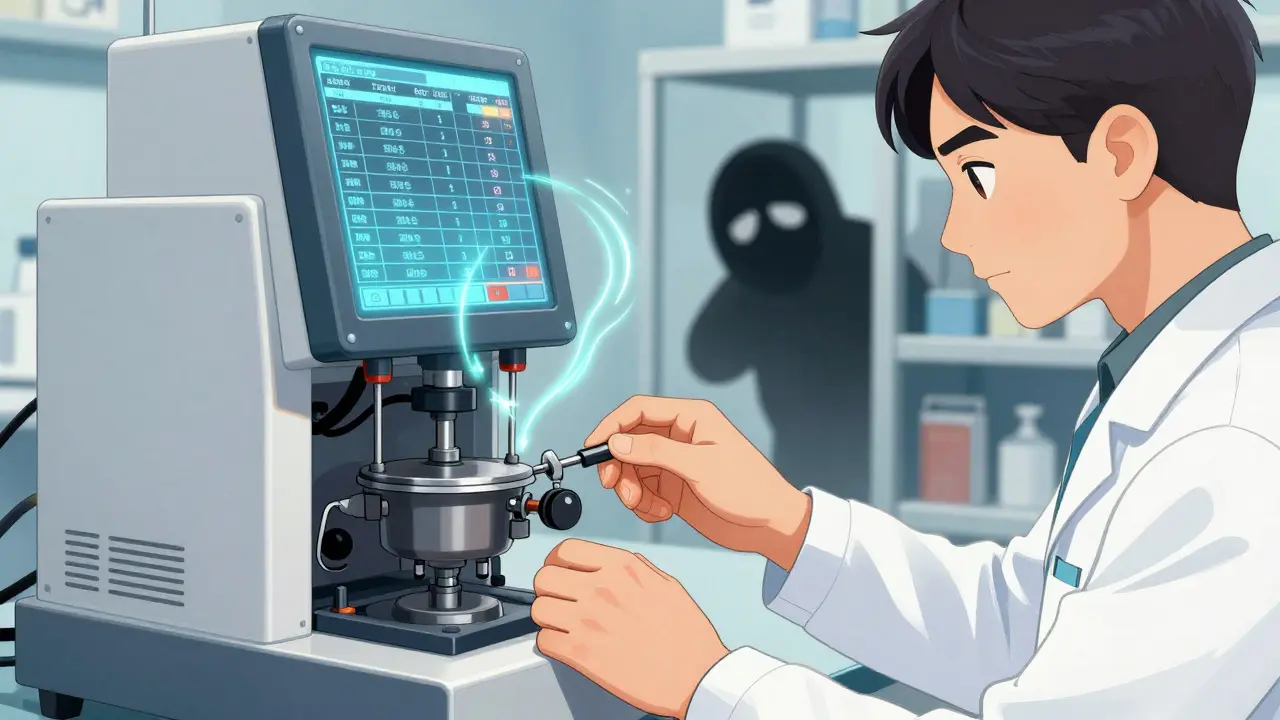
You’ll get a notice-sometimes with as little as 48 hours’ warning. But don’t assume you’re safe just because it’s not an unannounced visit. The FDA can show up without notice if they have reason. The inspection team usually includes two to four people: a lead investigator, a lab expert, and sometimes a chemist or engineer. They’ll start with an opening meeting. Don’t try to impress them with speeches. Just be clear, honest, and ready to answer questions. They’ll tour the facility. Watch how they move. They’re not just looking at cleanliness-they’re watching how people interact with equipment. Do technicians follow SOPs? Do they pause before opening a valve? Do they check the log before starting a run? Those small actions tell more than any report. They’ll ask for records. Not summaries. The original, signed, dated documents. Batch records, training logs, deviation reports, validation protocols, stability data. If you don’t have it, or it’s incomplete, they’ll write it down. They might ask to observe a process in real time. Don’t panic. Just follow your SOP. If something goes wrong during the demo, report it. Honesty here builds trust.Form FDA 483: The Inspection Report
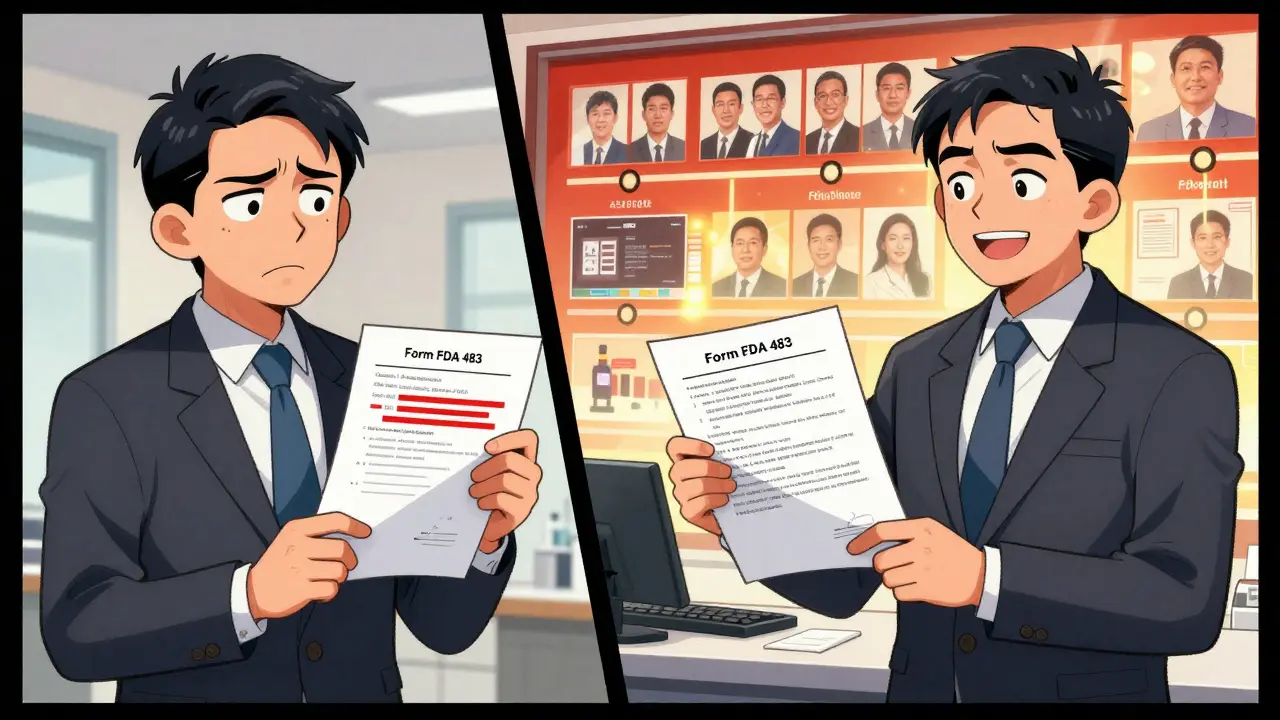
At the end of the inspection, the team gives you Form FDA 483. This isn’t a final judgment. It’s a list of observations-things they saw that don’t meet CGMP standards. Each observation includes:- A clear description of what was found
- The specific regulation it violates (e.g., 21 CFR 211.113 for inadequate cleaning)
- Where it occurred (room number, equipment ID)
What Comes After the 483
The FDA reviews your response. They look at:- How thorough your corrective actions are
- Whether you addressed root causes
- Your history: Have you had similar issues before?
- How your drug is used: Is it for a chronic condition? A life-saving therapy?
How to Prepare-Beyond the Basics
You can’t just clean the floors and print new SOPs the week before. Real preparation means:- Running mock inspections quarterly. Bring in a third party to audit like the FDA would.
- Keeping all records digital and searchable. Paper files get lost. Digital logs with audit trails don’t.
- Training staff on why CGMP matters-not just what to do. People who understand the “why” make fewer mistakes.
- Using the FDA’s PreCheck program. Launched in 2024, it lets you get feedback during facility design, construction, and pre-production. Submit a Type V Drug Master File. Get early input. Avoid costly redesigns later.
- Building a quality culture. If your engineers feel safe reporting errors, you’ll catch problems before the FDA does.
Final Thought: It’s Not About Passing. It’s About Trust.
The FDA isn’t trying to shut down good manufacturers. They want to make sure every pill you produce is safe. If your facility is clean, your records are complete, and your team owns quality, you’ll pass. No tricks. No shortcuts. Just consistency. The companies that thrive aren’t the ones with the fanciest equipment. They’re the ones who treat every batch like it’s going to a child with asthma, an elderly patient on blood thinners, or a veteran relying on their medication. That’s the standard.Can the FDA inspect a facility without warning?
Yes. While many inspections are scheduled, the FDA can conduct unannounced inspections if they have reason to suspect a serious risk-like a pattern of consumer complaints, whistleblower tips, or past compliance issues. Facilities should operate in a constant state of readiness, not just prepare when they get notice.
What happens if I don’t respond to a Form FDA 483?
Failing to respond within 15 business days is treated as non-cooperation. The FDA will likely escalate the issue, possibly issuing a warning letter or initiating regulatory action like import bans or product seizures. Even if observations seem minor, silence signals disregard for compliance.
How often are generic drug facilities inspected?
Inspection frequency depends on risk. Low-risk facilities with strong compliance histories are typically inspected every 2-3 years. High-risk sites-those with past violations, complex products, or overseas locations-may be inspected annually or even more frequently. The FDA’s risk-based model uses data like complaint trends, inspection history, and product criticality to determine scheduling.
What is the PreCheck program, and how does it help manufacturers?
Launched in 2024, the FDA’s PreCheck program allows generic drug manufacturers to get feedback during early stages of facility design, construction, and pre-production. By submitting a Type V Drug Master File with detailed plans, companies can receive FDA input before investing millions in equipment. This reduces the risk of costly redesigns and helps ensure the facility will meet CGMP standards from day one.
Are data integrity issues a major concern during FDA inspections?
Yes. Data integrity is now one of the top priorities for FDA inspectors. They look for signs of data manipulation-deleted records, backdated entries, unexplained changes in results, or incomplete audit trails. If your lab software doesn’t have user access controls or audit logs, you’re at high risk. The FDA expects electronic records to be secure, accurate, and tamper-proof.
What’s the difference between a warning letter and an FDA 483?
An FDA 483 is a list of observations made during an inspection-it’s not a final decision. A warning letter is a formal regulatory action issued when the FDA determines the issues are serious enough to violate federal law. Warning letters are public, can delay approvals, and often lead to import alerts or legal action if not resolved.
Do I need to fix every observation on the FDA 483?
Yes. Even minor observations must be addressed. The FDA expects a full corrective action plan for every item listed. Ignoring or downplaying observations signals a weak quality culture. The agency evaluates your response based on how thoroughly you identify root causes and prevent recurrence-not just how quickly you fix the surface issue.
Next Steps for Manufacturers
If you’re preparing for an inspection:- Review your last 12 months of deviation reports. Are there recurring issues? Fix the root cause.
- Run a mock inspection with your QA team. Record it. Watch how your staff responds.
- Update your SOPs. Are they clear? Are they followed? If not, rewrite them.
- Check your digital records. Can you pull a batch record in under 60 seconds? If not, fix your system.
- Consider applying to the PreCheck program if you’re building a new facility or launching a new product.


lol at the FDA acting like they're the police of pills 🤡 I've seen labs where the HPLC machine was held together with duct tape and still passed. They're not looking for perfection-they're looking for someone to blame. #GenericDrugLife