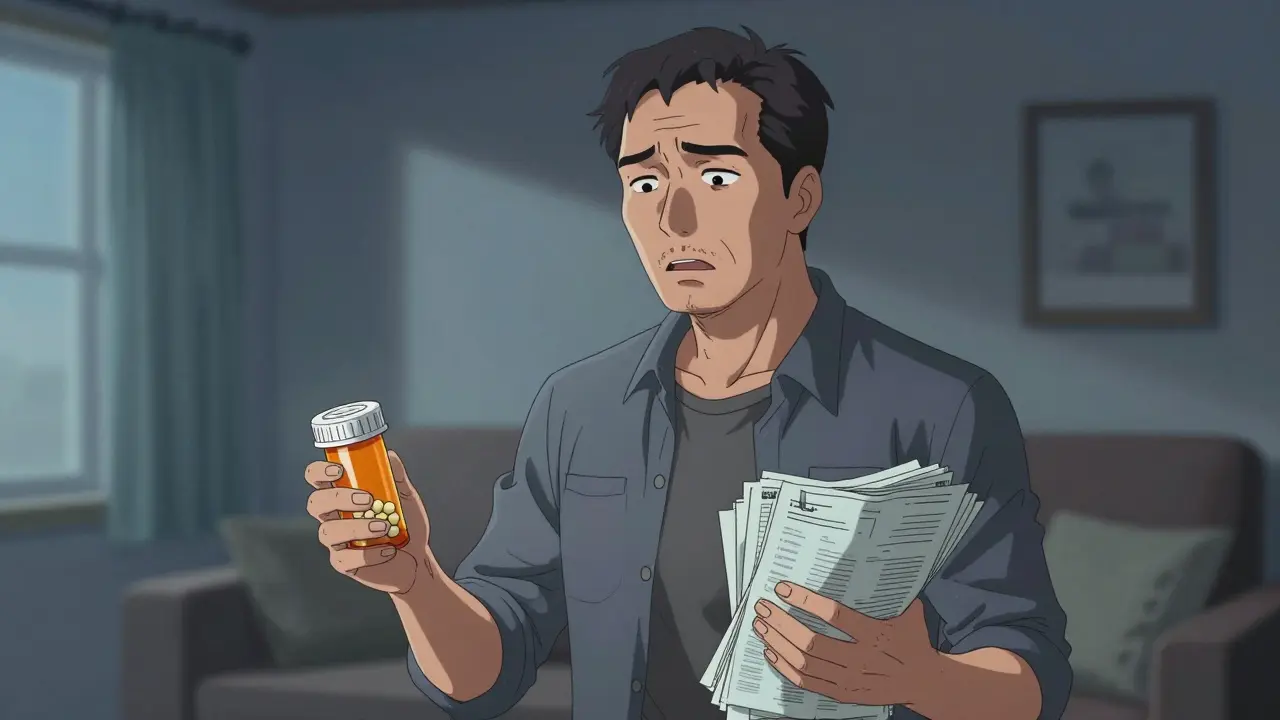
It is a terrifying feeling when you open a prescription bottle only to realize you can't afford the refill. For millions of people, the choice isn't between brands-it's between paying rent and buying the medicine that keeps a chronic condition under control. If you are uninsured or your insurance doesn't cover the drugs you need, you aren't alone. There is a massive, often invisible network of safety-net providers designed specifically to fill this gap.
Quick Guide to Low-Cost Meds
- FQHCs: Best for consistent, long-term care with sliding scale fees based on income.
- Free Clinics: Best for those with zero insurance and income below 200% of the federal poverty level.
- Patient Assistance Programs (PAPs): Direct-from-manufacturer grants for specific high-cost drugs.
- Safety Net Networks: Organizations like Americares that supply clinics with donated meds.
Understanding Your Options: Free Clinics vs. FQHCs
Not all "community clinics" are the same. Depending on your income and insurance status, you'll want to target a specific type of facility. The first major player is the Federally Qualified Health Center (or FQHC), which is a community-based organization that receives HRSA funding to provide primary care and medications regardless of a patient's ability to pay.
FQHCs use a sliding fee scale. This means if you make $20,000 a year, you might pay a small copay (perhaps $20 to $50) for a visit and a reduced rate for your medicine. Because they are government-funded, they usually have more stable hours and a wider range of services than purely volunteer-run sites.
On the other hand, you have Free Clinics. These are often run by volunteers and donations. Unlike FQHCs, these clinics usually require you to be completely uninsured and earn less than 200% of the federal poverty level (which was roughly $29,160 for an individual in 2023). The big win here? The medications are often completely free. The trade-off is that they might only be open two evenings a week or have a longer waiting list for new patients.
| Feature | FQHCs | Free Clinics |
|---|---|---|
| Cost | Sliding Scale (Income-based) | Generally Free |
| Eligibility | Anyone (Income affects cost) | Strict (Usually < 200% Poverty Level) |
| Stability | High (Government Funded) | Variable (Volunteer/Donation Based) |
| Availability | Broad / Standard Hours | Limited / Specific Days |
Where to Look and How to Apply
Finding these places isn't always as simple as a Google search. You need to use the directories that the clinics themselves use. To find an FQHC, use the HRSA Find a Health Center tool. This is the gold standard for locating government-backed sites.
For volunteer-run sites, the National Association of Free & Charitable Clinics (or NAFC) is your best bet. They act as an umbrella for thousands of clinics across the country. If you live in a specific state, check if there is a state-level association, such as the Virginia Association of Free & Charitable Clinics, which can provide a more curated list of member sites.
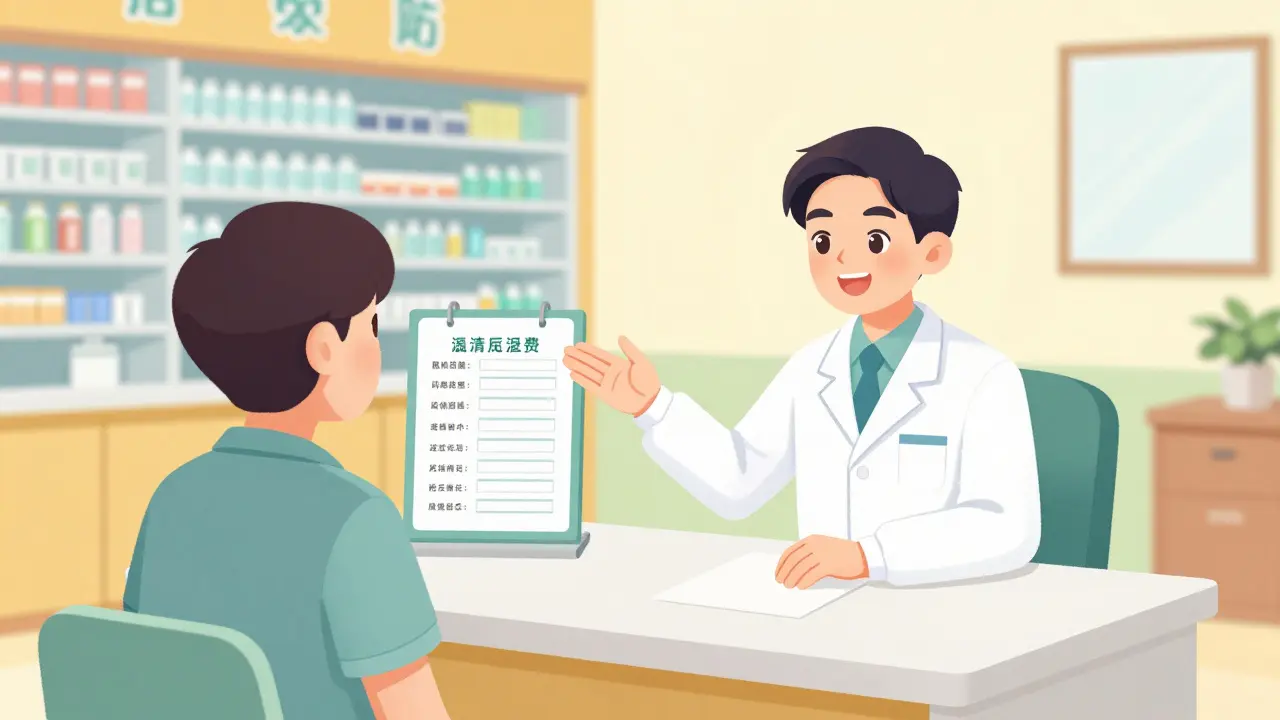
When you call or visit, don't go empty-handed. To get approved for low-cost medications, you'll need to prove your financial situation. Bring these documents:
- Recent pay stubs or a letter of unemployment.
- Your most recent tax return.
- A utility bill (to prove you live in their service area).
- A complete list of your current medications and dosages.
The Role of Pharmaceutical Donations
You might wonder where these clinics get the drugs. They don't just buy them at retail price. A huge part of the safety net is powered by Americares, a nonprofit that distributes donated prescription medications and medical supplies to safety-net clinics across the U.S. and Puerto Rico. In 2023 alone, they moved $190 million worth of supplies to nearly 1,000 clinics.
This donation-based model is why some clinics can give you a drug for free while others can't. If a clinic is partnered with Americares or a similar program, they have access to a pipeline of donated meds for chronic conditions like diabetes, hypertension, and heart disease. Some clinics even have an in-house pharmacy to dispense these immediately, while others might coordinate with a local pharmacy to apply a voucher.
There are also specialized partnerships. For example, the "Community Routes" program-a collaboration between Teva Pharmaceuticals, Direct Relief, and the NAFC-specifically targets mental health. This means if you are struggling with anxiety or depression, there are targeted grants and medication donations specifically for those conditions in states like California, Florida, and New Jersey.
Navigating the Challenges and Pitfalls
While these services are life-saving, they aren't perfect. The biggest hurdle is capacity. Many clinics are seeing a surge in patients from "working households"-people who have a job but don't earn enough to afford insurance or high copays. This means you might face a 4-to-6-week wait for an initial appointment.
Another issue is "medication gaps." Because free clinics rely on donations, they might run out of a specific drug. According to an NAFC operational survey, about 42% of clinics reported medication shortages. If your clinic is out of your specific brand or dosage, don't give up. Ask them if they can help you apply for a Patient Assistance Program (PAP). These are programs run by the pharmaceutical companies themselves that provide drugs for free or at a steep discount to eligible low-income patients.
Pro Tips for Getting Your Meds Faster
If you're in a rush, don't just call one clinic. Reach out to three or four. Since eligibility and hours vary wildly, one might be full while another has an opening. When you speak to the staff, be specific about your condition. Tell them, "I need medication for Type 2 Diabetes and I am uninsured," rather than just asking for "help." This helps them quickly determine if they have the specific drug in stock or if they are partnered with a donor like Americares for that specific therapeutic class.
Also, keep a digital folder of your proof-of-income documents. If a clinic has a sudden opening or a new shipment of donated meds arrives, being able to email your paperwork instantly can put you at the front of the line.
What is the difference between a free clinic and a community health center?
A free clinic is typically a volunteer-driven organization that provides services at no cost to those who meet strict income requirements (usually below 200% of the federal poverty level). A community health center (often an FQHC) is government-funded and uses a sliding fee scale, meaning you pay a small amount based on your income, but they generally offer more consistent hours and a wider range of services.
How do I prove I'm eligible for low-cost medications?
You will typically need to provide documentation of your income. This includes recent pay stubs, your most recent tax return, or a statement of unemployment. You'll also need a government-issued ID and a utility bill to prove you live within the clinic's designated service area.
Can I get medications for mental health at these clinics?
Yes, many clinics provide mental health medications. Some have specific partnerships, such as the Community Routes program, which focuses on medications for anxiety and depression. However, availability varies by location and the current donations the clinic has on hand.
What happens if the clinic doesn't have my specific medication?
If a clinic is out of stock, ask the staff to help you apply for a pharmaceutical company's Patient Assistance Program (PAP). These programs allow eligible patients to receive medications directly from the manufacturer for free or at a very low cost.
Are these medications safe because they are donated?
Yes. Organizations like Americares follow strict regulatory guidelines to ensure that donated medications are stored, transported, and dispensed safely. These medications are genuine prescriptions and are handled by licensed medical professionals.


Oh, wonderful. Another guide on how to navigate a broken system that basically asks you to beg for scraps from pharmaceutical companies who priced the meds out of reach in the first place. Truly a masterpiece of "solution" architecture. 🙄