
For years, the diagnosis of Type 2 Diabetes felt like a life sentence. The narrative was simple: your blood sugar is high, you take pills or insulin forever, and you manage it until complications arise. But in recent years, that script has been rewritten. We now know that for many people, Type 2 Diabetes is not just manageable-it can be put into remission. Remission is a state where blood glucose levels return to normal ranges without the need for ongoing glucose-lowering medications. This isn't about curing the disease in the traditional sense; it's about reversing the metabolic dysfunction that drives high blood sugar. If you have been diagnosed with Type 2 Diabetes, understanding how weight loss and medication de-escalation work together could change your health trajectory completely.
The Official Definition of Diabetes Remission
To talk about remission effectively, we first need to agree on what it actually means. Before 2021, definitions varied wildly across clinical trials, making it hard to compare results or set realistic expectations. That changed when major health organizations-including the American Diabetes Association (ADA), Endocrine Society, European Association for the Study of Diabetes (EASD), and Diabetes UK-released an international consensus statement.
According to this consensus, remission is defined as having an HbA1c level below 6.5% (48 mmol/mol) for at least three months, achieved without taking any glucose-lowering medications. It’s important to note that this definition excludes anyone maintaining those numbers through drugs. If you are on metformin or insulin and your HbA1c is 6.0%, you are well-controlled, but you are not in remission by this strict definition. The goal here is to show that your body can regulate glucose on its own again.
If HbA1c testing is unreliable for some reason (such as certain hemoglobin variants), doctors may use alternative markers: a fasting plasma glucose under 126 mg/dL (7.0 mmol/L) or an estimated HbA1c derived from continuous glucose monitoring data. These criteria provide a clear, standardized target for patients and clinicians alike.
Why Weight Loss Is the Key Driver
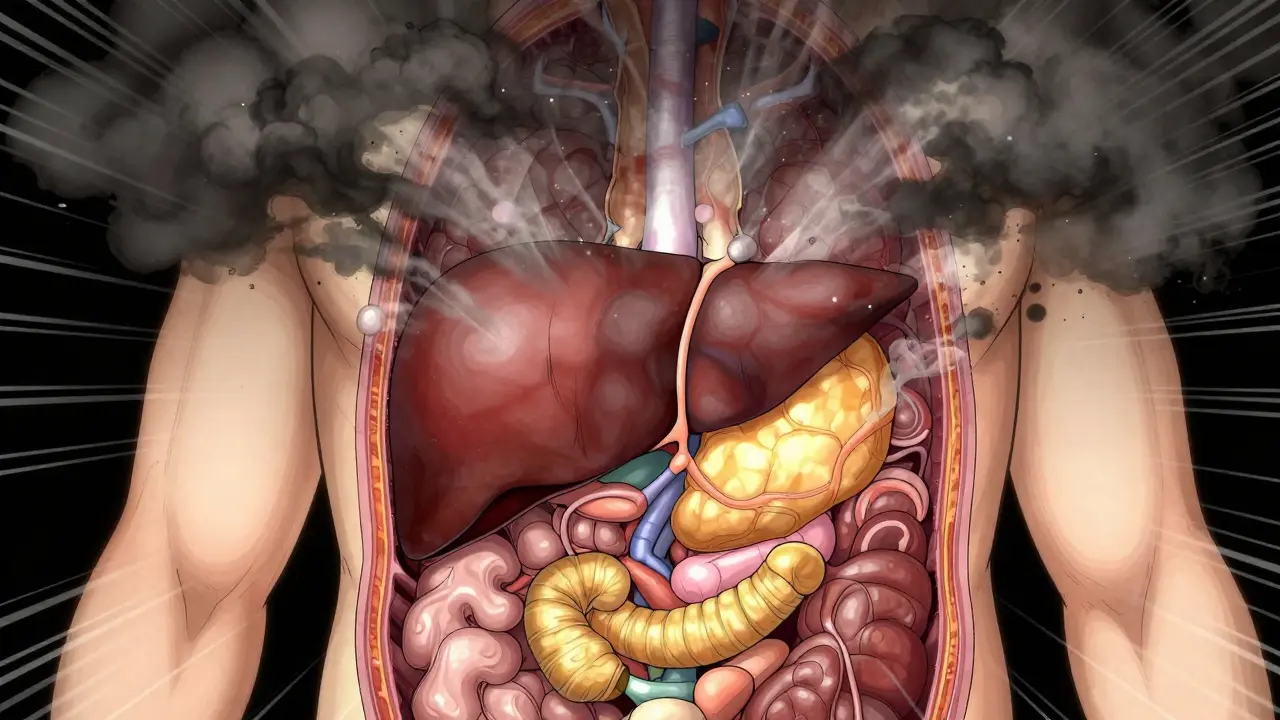
You might wonder why losing weight reverses a condition often blamed on genetics or aging. The answer lies in fat accumulation. In Type 2 Diabetes, excess fat builds up in the liver and pancreas. This visceral fat interferes with insulin signaling and stops beta cells-the parts of the pancreas that produce insulin-from working correctly. When you lose significant weight, particularly through dietary changes, that ectopic fat melts away. The liver starts processing glucose normally again, and the pancreas wakes up from its "stunned" state.
The most compelling evidence comes from the DiRECT trial (Diabetes Remission Clinical Trial). Conducted by researchers at Newcastle University, this landmark study showed that 46% of participants achieved remission after one year if they lost at least 10 kg (about 22 pounds). Even more strikingly, those who lost 15 kg or more had an even higher success rate. The study used a total diet replacement approach initially, followed by structured food reintroduction and long-term support. It proved that remission isn't just possible-it's predictable if the weight loss threshold is met.
However, timing matters. Remission is significantly more likely if you have had Type 2 Diabetes for less than five years. After that window, beta cell function may decline too far to recover fully, even with weight loss. This doesn't mean later-stage patients shouldn't try; weight loss still improves health outcomes drastically-but the chance of hitting that specific HbA1c target without meds drops.
Medication De-escalation: Safety First
Achieving remission requires stopping glucose-lowering medications, but you should never do this on your own. Medication de-escalation must be supervised by a healthcare provider. As your blood sugar improves due to lifestyle changes, continuing your previous dose of medication could cause dangerous hypoglycemia (low blood sugar).
Here’s how the process typically works:
- Initial Assessment: Your doctor measures your baseline HbA1c and reviews all current medications.
- Lifestyle Intervention: You begin a structured weight loss program, such as calorie restriction or medical nutrition therapy.
- Gradual Reduction: As your glucose levels drop, your provider reduces doses of sulfonylureas, insulin, or other agents that lower blood sugar. Metformin is sometimes continued longer because it has minimal risk of causing lows.
- Cessation: Once your HbA1c stays below 6.5% off medication for three months, remission is officially recorded.
It’s crucial to understand that de-escalation isn’t failure-it’s progress. Stopping meds is the endpoint of successful treatment, not a sign that you no longer need care. You’ll still need regular check-ups to monitor kidney function, cardiovascular health, and eye health, as the underlying risks associated with diabetes history don’t vanish overnight.
| Method | Remission Rate (Approx.) | Key Requirement | Risks/Considerations |
|---|---|---|---|
| Intensive Lifestyle Change (e.g., DiRECT) | 46% (at 1 year with ≥10kg loss) | Sustained weight loss of 10-15kg+ | Requires strong behavioral support; relapse common if weight regained |
| Metabolic/Bariatric Surgery | 37.5% - 60%+ (varies by procedure) | Surgical intervention | Invasive; nutritional deficiencies possible; immediate effect |
| Standard Care + Modest Weight Loss | <5% | Minor dietary tweaks | Unlikely to achieve full remission; good for general health |
Is Remission Permanent? Understanding Relapse
Let’s be honest: remission is not a cure. The RACGP guidelines explicitly state that "remission does not mean that type 2 diabetes is cured or reversed." The underlying predisposition remains. If you regain the weight, the fat will return to your liver and pancreas, and your blood sugar will rise again. Data from the DiRECT study shows that while 46% were in remission at one year, that number dropped to 36% at two years. Why? Because maintaining weight loss is incredibly difficult.
This reality check is vital. Striving for remission should not become an obsession that causes stress or disordered eating. Some experts, like Dr. Michael Nauck, suggest considering a "second category" of remission where patients maintain control with low-dose medications. For many, achieving excellent health with minimal drug burden is just as valuable as being completely off meds. The goal is reducing harm and improving quality of life, not chasing a perfect lab result at all costs.

Who Is the Best Candidate for Remission?
Not everyone will achieve remission, and that’s okay. Certain factors make success much more likely:
- Shorter Duration of Diabetes: Less than 5 years since diagnosis is ideal. Beta cells retain more function early on.
- Higher Baseline Insulin Production: If your body still makes decent amounts of insulin, there’s more potential to restore balance.
- No Insulin Dependence: Patients managing with oral meds alone have higher remission rates than those requiring injectable insulin.
- Significant Excess Weight: Those with obesity have more visceral fat to lose, which directly correlates with improved insulin sensitivity.
If you’ve had diabetes for 20 years and require high-dose insulin, remission might not be realistic. However, weight loss will still reduce your medication needs, improve mobility, and lower cardiovascular risk. Don’t let the word "remission" discourage you from making healthier choices.
Practical Steps to Start Your Journey
If you’re ready to explore remission, start with these actionable steps:
- Talk to Your Doctor: Discuss your interest in remission. Ask if you’re a candidate based on your duration of diabetes and current meds.
- Get a Baseline Test: Ensure your HbA1c is measured accurately before starting any intervention.
- Choose a Sustainable Plan: Whether it’s a very-low-calorie diet under supervision, intermittent fasting, or a Mediterranean-style approach, pick something you can stick with long-term. Extreme diets rarely last.
- Seek Support: Join a group or work with a dietitian. Behavioral support is critical for maintaining weight loss.
- Monitor Regularly: Check your blood sugar at home if advised, and schedule follow-up HbA1c tests every 3 months.
Remember, the journey toward remission is also a journey toward better overall health. Even if you don’t hit the 6.5% mark without meds, the benefits of weight loss-better sleep, easier movement, lower blood pressure-are worth it.
Can I achieve diabetes remission if I am not overweight?
While weight loss is the primary driver for most people, remission is less common in individuals with a normal BMI. However, some lean individuals with Type 2 Diabetes may see improvements through intensive exercise, muscle building, and specific dietary changes that reduce visceral fat. Consult your doctor to assess your unique physiology.
What happens if my diabetes returns after remission?
Relapse is common, especially if weight is regained. If your HbA1c rises above 6.5% for three months, you are no longer in remission. You will likely need to restart medication. This is not a failure; it’s part of managing a chronic condition. Early detection allows for quick re-intervention.
Is bariatric surgery necessary for remission?
No. While metabolic surgery has high remission rates (often exceeding 60%), it is invasive and carries risks. Intensive lifestyle interventions, like those in the DiRECT study, offer a non-surgical path with significant success rates for motivated individuals. Surgery is usually reserved for cases where lifestyle changes haven’t worked or BMI is very high.
How long does it take to see results from weight loss?
Blood sugar levels can improve within weeks of starting a weight loss program. However, official remission requires three months of sustained HbA1c below 6.5% off medication. Most clinical trials measure remission at the 1-year mark to account for stability.
Does remission protect me from heart disease and other complications?
Yes, but with caveats. Being in remission reduces the direct damage of high blood sugar to kidneys, eyes, and nerves. However, the historical risk of cardiovascular disease may remain elevated depending on your past exposure to high glucose and other factors like hypertension. Continued healthy habits are essential.