Medication Dizziness Risk Calculator
How This Tool Works
Enter the medications you're currently taking to estimate your risk of dizziness. This tool uses clinical data to calculate your risk score and provides personalized safety recommendations.
Risk Score
This tool estimates your risk based on the medications you've selected. Remember, your actual risk may be different based on your individual health factors.
Feeling dizzy or lightheaded after taking a new pill? You're not alone. About 1 in 5 adults experiences dizziness every year, and nearly a quarter of those cases come straight from medications. It’s not just a nuisance-it can lead to falls, injuries, and hospital visits. The good news? You can understand why it’s happening and what to do about it.
Why Medications Make You Feel Dizzy
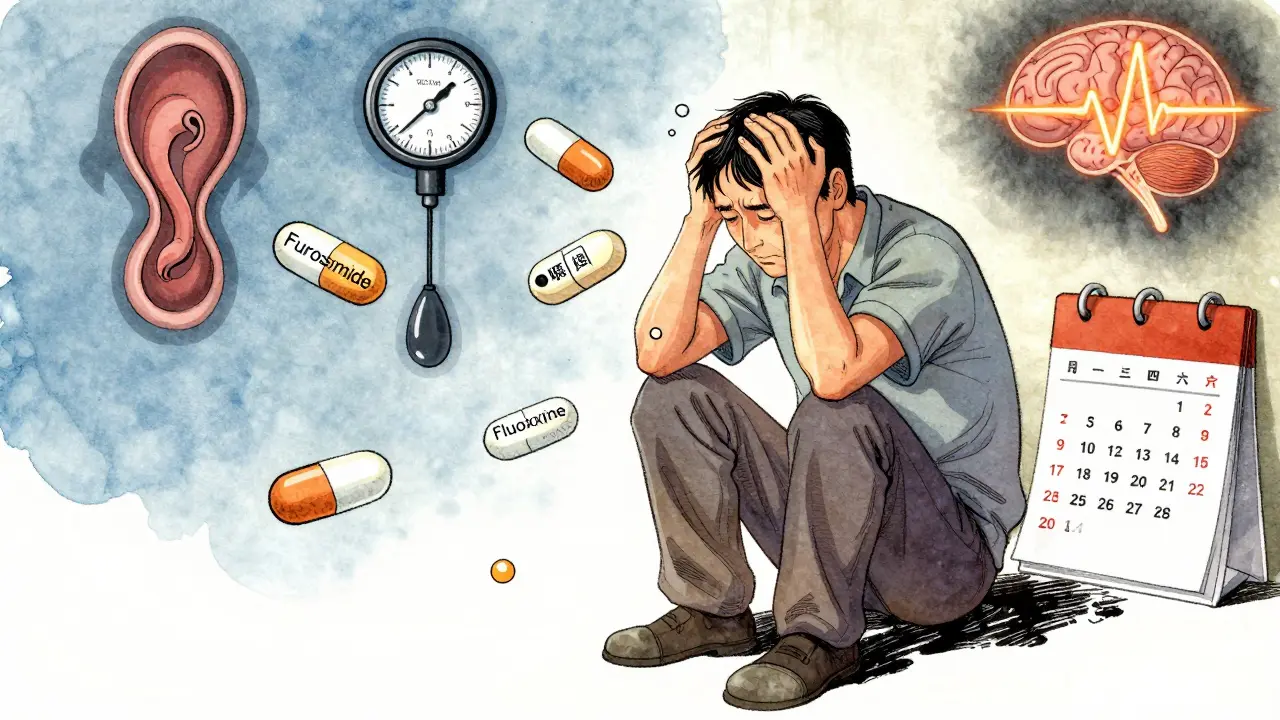
Dizziness isn’t one thing. It can feel like spinning (vertigo), like you’re about to pass out (lightheadedness), or just off-balance. Medications cause it by messing with three key systems in your body: your inner ear, your blood pressure, and your brain chemistry.Your inner ear (the vestibular system) helps you stay balanced. Some drugs-especially antibiotics like gentamicin-can damage the tiny hair cells in your inner ear. Once those cells are gone, they don’t grow back. Studies show 17% to 40% of people on long-term gentamicin treatment develop permanent balance problems.
Then there’s blood pressure. Medications that lower blood pressure-like ACE inhibitors, diuretics, and beta-blockers-can drop it too fast when you stand up. This is called orthostatic hypotension. Your brain doesn’t get enough blood for a few seconds, and you feel faint. Furosemide (a diuretic) causes dizziness in 22.1% of users. Propranolol (a beta-blocker) hits 19.7%.
And then there’s your brain. Antidepressants, antiseizure drugs, and even some painkillers change how neurotransmitters work. SSRIs like fluoxetine cause dizziness in 25.3% of patients during the first weeks of treatment. That’s because serotonin affects balance centers in the brainstem.
Which Medications Are Most Likely to Cause Dizziness?
Not all drugs affect everyone the same. Some have a much higher chance of causing dizziness. Here’s what the data shows:| Medication Class | Example Drug | Dizziness Incidence |
|---|---|---|
| Antiepileptic | Carbamazepine | 29.7% |
| Antiepileptic | Pregabalin | 26.1% |
| Tricyclic Antidepressant | Amitriptyline | 28.4% |
| SSRI Antidepressant | Fluoxetine | 25.3% |
| Diuretic | Furosemide | 22.1% |
| ACE Inhibitor | Lisinopril | 14.2% |
| Beta-Blocker | Propranolol | 19.7% |
| Aminoglycoside Antibiotic | Gentamicin | 17-40% |
| Chemotherapy | Cisplatin | 45-65% |
Chemotherapy drugs like cisplatin are especially dangerous. Up to 65% of patients on standard doses end up with permanent vestibular damage. That means they’ll have balance issues for life-even after stopping the drug.
Even common drugs like proton pump inhibitors (PPIs) for heartburn-omeprazole and lansoprazole-cause dizziness in 4-5% of users. Because millions take them daily, they still contribute to 3.2% of all medication-related dizziness ER visits.
Who’s at Highest Risk?
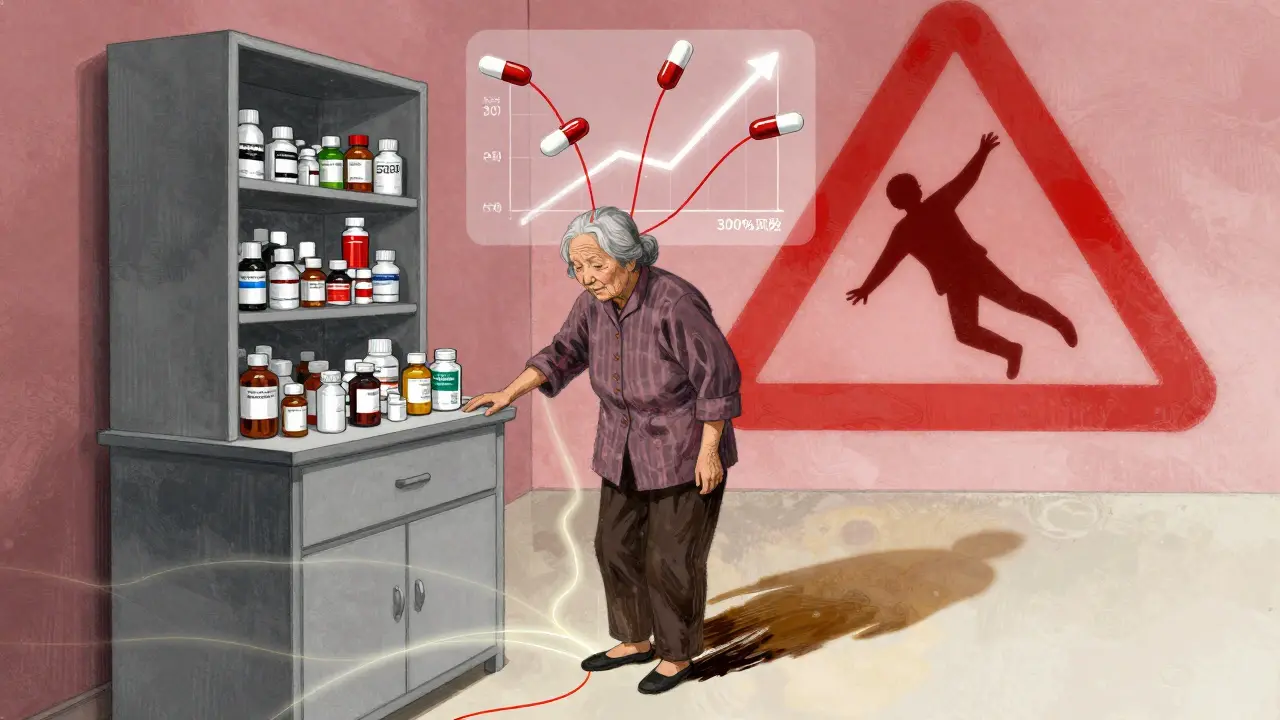
Older adults are hit hardest. About 35% of people over 65 fall at least once a year, and medication-induced dizziness is a major reason why. The American Geriatrics Society’s 2023 Beers Criteria lists 17 high-risk drugs for seniors, including:- Benzodiazepines (like lorazepam)-increase fall risk by 50%
- First-generation antihistamines (like diphenhydramine)-increase fall risk by 42%
- Muscle relaxants (like cyclobenzaprine)-increase fall risk by 37%
Polypharmacy is the silent killer here. Taking five or more medications triples your chance of dizziness. One 2022 study of over 12,000 older adults found that those on five+ drugs had a 300% higher risk than those on just one.
Genetics also play a role. A 2023 study in Nature Communications found 17 genetic variants linked to higher sensitivity to dizziness from blood pressure meds. This means two people on the same drug at the same dose can have totally different reactions.
What to Do If You’re Feeling Dizzy
Don’t panic. Don’t quit your meds cold turkey. Do this:- Track your symptoms. Keep a simple log: When did the dizziness start? Did it happen within an hour of taking a pill? Did it get worse after a dose change? About 68% of cases show a clear pattern linked to medication timing.
- Don’t stop meds without talking to your doctor. Stopping antiseizure drugs suddenly can increase seizures by 300%. Quitting beta-blockers abruptly can cause heart attacks or rebound high blood pressure.
- Ask about alternatives. If you’re on amitriptyline for nerve pain, maybe nortriptyline is gentler. If you’re on furosemide, maybe a different diuretic works better. Your doctor can compare side effect profiles.
- Test for orthostatic hypotension. Your doctor can check your blood pressure while you’re lying down and then standing. A drop of 20 mmHg systolic or 10 mmHg diastolic within 3 minutes confirms it.
How Doctors Diagnose and Treat It
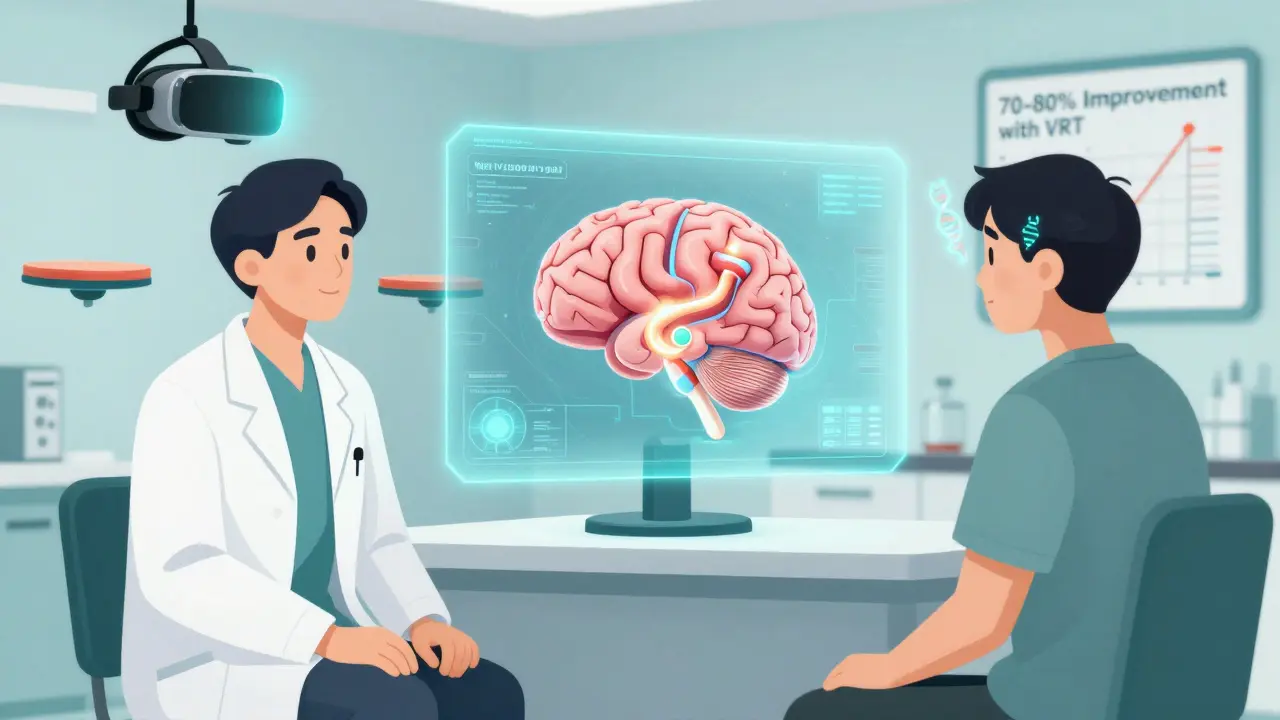
Doctors use tools to figure out if your dizziness is really from a drug. The Naranjo Scale scores how likely a drug caused the reaction. A score of 9 or higher means it’s “definite.”For persistent dizziness, vestibular rehabilitation therapy (VRT) is the gold standard. It’s physical therapy for your balance system. Studies show 70-80% of patients improve after 6-8 sessions. Some clinics now use virtual reality headsets to simulate movement and retrain the brain. A 2023 Lancet Neurology trial found 82% symptom improvement with VR-VRT.
For orthostatic dizziness, simple tricks help: sit on the edge of the bed for a minute before standing, wear compression socks, drink more water, and avoid alcohol. A 2022 trial showed these changes reduce symptoms by 45%.
What’s Changing in 2026
Medicine is catching up. The International Headache Society now officially recognizes “medication-induced vestibular syndrome” as its own diagnosis. The FDA requires black box warnings on aminoglycoside antibiotics. The European Medicines Agency now recommends routine hearing and balance tests for patients on cisplatin.Big changes are coming. The American Geriatrics Society’s 2024 Beers Criteria update (coming November 1, 2024) is expected to add SGLT2 inhibitors-new diabetes drugs like dapagliflozin-that caused dizziness in 9.3% of users in post-marketing data.
And soon, we may be able to predict who’s at risk before they even start a drug. The NIH’s All of Us program is collecting data from 1 million people to build genetic risk models. In the future, your doctor might run a quick DNA test before prescribing a drug known to cause dizziness.
Bottom Line
Dizziness from medication isn’t rare. It’s common, often preventable, and sometimes reversible-if you catch it early. Don’t ignore it. Don’t assume it’s just aging. Talk to your doctor. Track your symptoms. Ask if there’s a safer alternative. Your balance-and your safety-depend on it.Can stopping a medication suddenly make dizziness worse?
Yes, abruptly stopping some medications can trigger serious problems. Quitting beta-blockers can cause rebound high blood pressure or heart attack. Stopping antiseizure drugs suddenly increases seizure risk by up to 300%. Even antidepressants can cause withdrawal dizziness if stopped too fast. Always work with your doctor to taper off safely.
Is dizziness always a sign of a serious problem?
Not always. Mild, short-lived dizziness after starting a new drug is common and often fades in days or weeks. But if it’s severe, persistent, or paired with hearing loss, vision changes, weakness, or confusion, it could signal something serious like inner ear damage or low blood pressure. Get checked if it doesn’t improve after a week or gets worse.
Can over-the-counter meds cause dizziness?
Absolutely. First-generation antihistamines like diphenhydramine (Benadryl) and sleep aids like doxylamine are common culprits. Even some herbal supplements, like ginkgo biloba or high-dose garlic, can affect blood flow or inner ear function. Always check OTC labels for dizziness as a side effect.
How long does medication-induced dizziness last?
It depends. If it’s caused by a temporary change in dosage or a short-term drug, symptoms often clear within days to weeks. For ototoxic drugs like gentamicin or cisplatin, damage can be permanent. Vestibular rehabilitation can help the brain adapt, but full recovery isn’t always possible. Early detection improves outcomes.
Are there tests to confirm a drug is causing dizziness?
Yes. Doctors may order a vestibular function test (ENG or VNG) to check inner ear function, or a tilt table test to assess blood pressure changes. They may also use the Naranjo Scale to statistically link symptoms to the drug. In some cases, a trial off the medication-under medical supervision-can confirm the link if symptoms improve.


I was on furosemide for a month and thought I was going crazy. One minute I'm fine, next I'm clinging to the wall like a drunk raccoon. Turns out my BP dropped faster than my motivation on a Monday. Doc switched me to spironolactone and boom - no more wobbling. Also, never take Benadryl before bed if you value your equilibrium. Just saying.