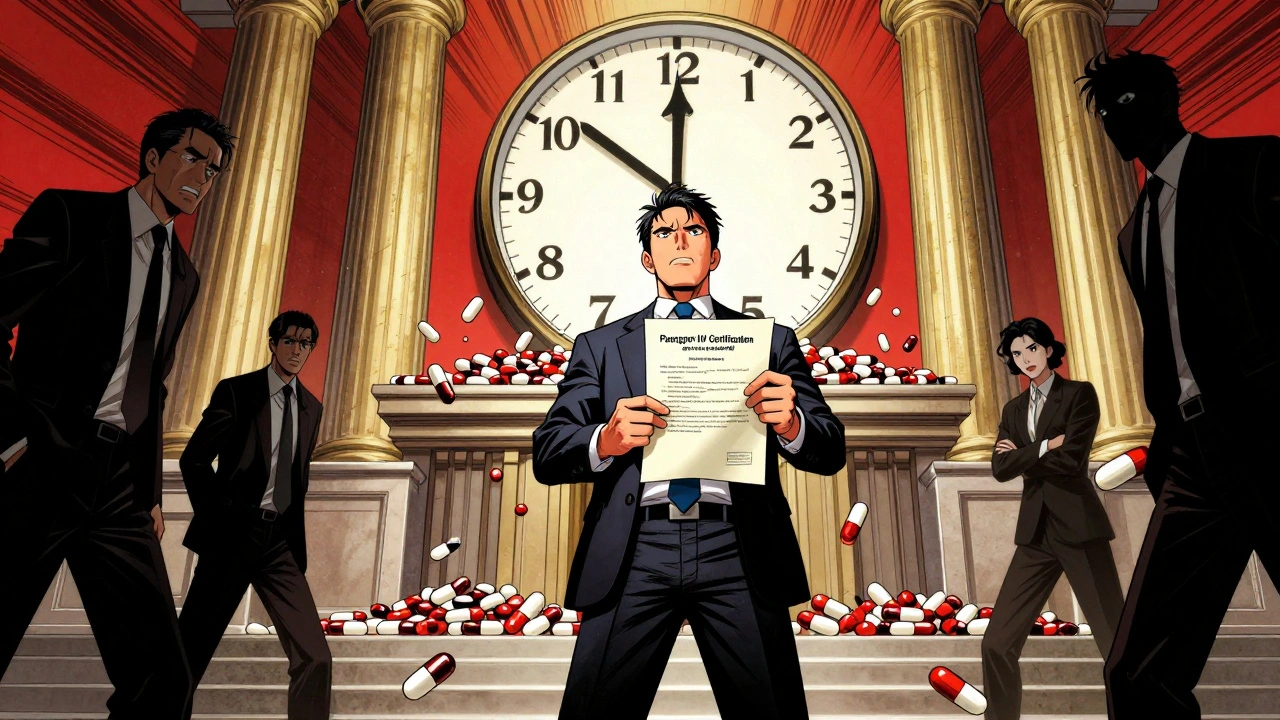
When a brand-name drug loses its patent, you’d think generics would flood the market right away-lowering prices and giving patients more choices. But that’s not how it usually works. Instead, there’s a 180-day window where only one company can sell the generic version. This isn’t a glitch. It’s a rule built into U.S. drug law called FDA's 180-day exclusivity. And it’s one of the most powerful tools in the generic drug industry.
Why does this exclusivity even exist?
The system was created by the Hatch-Waxman Act of 1984. Back then, drug companies were sitting on patents for years, keeping prices high even after their drugs were old enough to be copied. Generic makers didn’t have the resources to fight legal battles over patents. So Congress gave them a reward: if you’re the first to challenge a patent and win, you get 180 days of no competition. This wasn’t just about fairness. It was about speed. The goal was simple: get cheaper drugs to patients faster. And it worked. Since 1984, over 14,000 generic drugs have been approved. Today, 90% of prescriptions in the U.S. are filled with generics. But they only cost 23% of what brand-name drugs do.How does a company actually get this exclusivity?
It starts with an ANDA-Abbreviated New Drug Application. Generic companies don’t have to repeat the expensive clinical trials brand-name makers did. Instead, they prove their version is the same as the original. But here’s the twist: if they want exclusivity, they have to file a Paragraph IV certification. That’s a legal notice saying, “We believe your patent is invalid or we don’t infringe it.” That’s a risky move. The brand-name company will almost always sue. Lawsuits can take years. But if the generic wins-or if the patent is found invalid-the 180-day clock starts ticking. And no other generic can enter the market until that clock runs out. Here’s the catch: the clock doesn’t start when the FDA approves the drug. It starts when the company actually begins selling it. Or when a court rules in their favor. That’s why some companies delay launching-even after getting approval. They wait. They hold off. They let the exclusivity period run during appeals. That means the brand-name drug stays on the market longer, and patients keep paying more.Who gets the exclusivity? It’s not always one company.
If two or more companies file their Paragraph IV certifications on the same day, they’re all considered “first applicants.” They share the 180 days. But here’s where things get messy. Only one of them might launch. The others? They sit and wait. And if none of them launch within 75 days of getting a notice from the FDA that they can sell, they lose the exclusivity. That’s called forfeiture. About 35% of first applicants forfeit their rights. Why? Because launching is expensive. They need to build supply chains, hire sales reps, convince pharmacies to stock their version. Some just can’t pull it off. Others wait to see if the brand-name company settles with another generic. If a deal happens, the exclusivity can vanish overnight. Take apixaban, the blood thinner. Six companies filed on the same day. Only three launched within the window. The other three lost their shot. The three that did launch shared the 180 days. Prices dropped-but not as fast or as deep as they could have.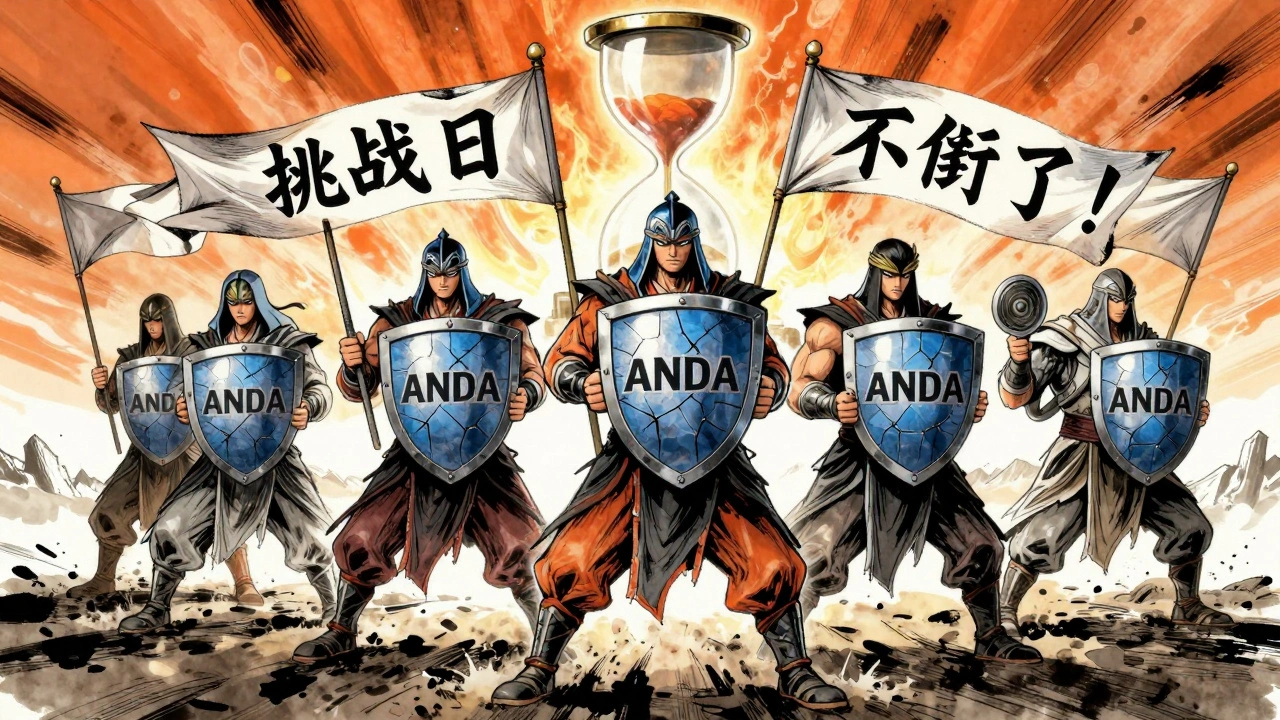
The problem: exclusivity is being used to block competition
The system was meant to speed up generics. But it’s often used to delay them. The Federal Trade Commission found 147 cases between 2015 and 2020 where companies used the 180-day exclusivity to block other generics. One tactic? File a patent challenge just to trigger the exclusivity, then never launch. The brand-name company gets a free pass to keep charging high prices. Meanwhile, the generic company sits on the exclusivity, collecting royalties from other generics who pay to avoid litigation. Harvard Medical School’s Dr. Aaron Kesselheim testified that this game costs patients $13 billion a year in extra drug costs. And it’s not just small players. The top five generic manufacturers-Teva, Viatris, Sandoz, Amneal, and Hikma-got 58% of all exclusivity periods between 2018 and 2023. They have the lawyers, the cash, and the muscle to play the long game.What’s changing? A new model is coming
The FDA noticed the problem. In 2022, they proposed a fix: model the exclusivity system after the Competitive Generic Therapy (CGT) program. Under CGT, the 180-day clock starts the moment the first generic hits the market. Not when a court rules. Not when approval is granted. When the pills are sold. That’s a big shift. Right now, exclusivity can drag on for years. Under the new rule, it’s exactly 180 days. No more gaming. No more delays. The Congressional Budget Office estimates this change would cut drug prices by $5.3 billion a year. It would also bring generics to market 8.2 months faster on average. That’s huge for patients with chronic conditions who need affordable meds. But it’s not without pushback. Small generic companies say the current system is their only chance to compete. Without the long exclusivity window, they can’t afford to take on patent lawsuits. If the clock runs only from launch, they might not have enough time to recoup their legal costs.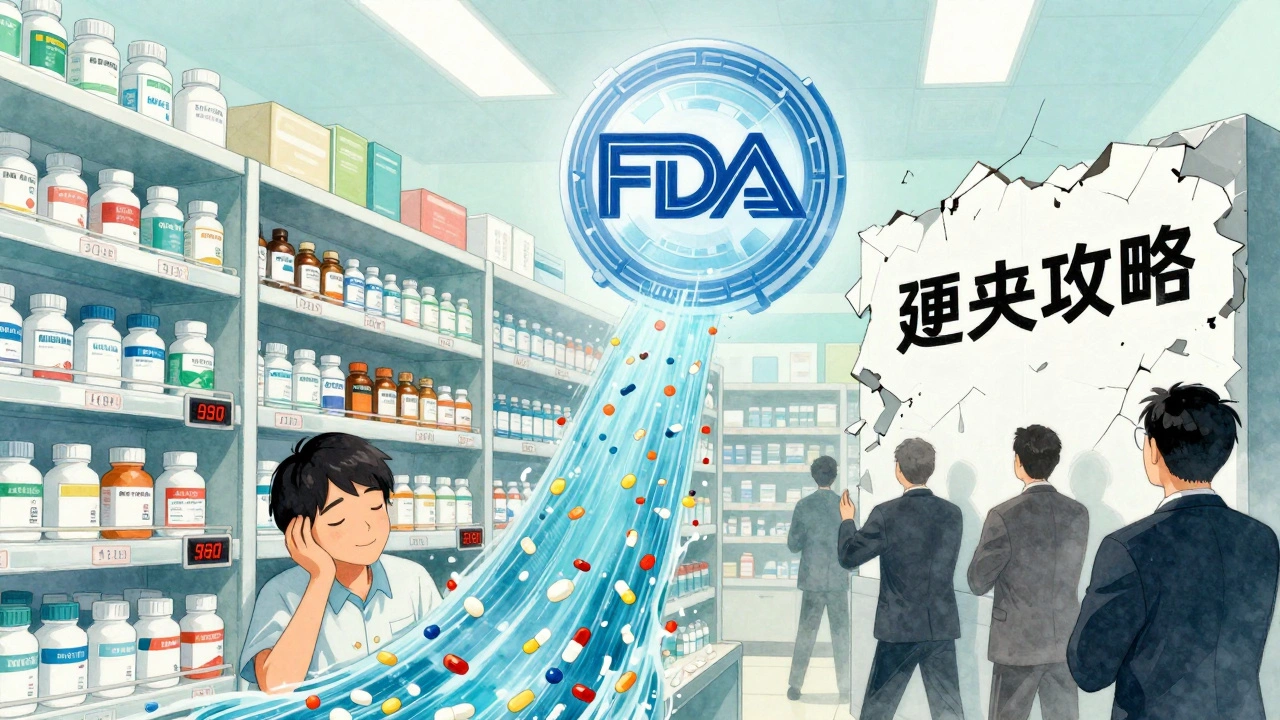
What does this mean for patients?
Right now, when a brand-name drug loses its patent, you might wait months-or even years-for a generic to appear. And even then, you might only get one option. Prices stay high. The 180-day exclusivity was supposed to fix that. But it’s become a tool for delay. If the new CGT-style rule passes, you’ll see more generics sooner. More choices. Lower prices. More competition. And that’s what this whole system was meant to do.What’s next for generic drug competition?
Congress is debating the Preserve Access to Affordable Generics and Biosimilars Act. It would crack down on fake patent challenges-ones filed just to block competition, not because the patent is actually flawed. The FDA is also stepping up enforcement. In 2023 alone, they flagged 37 cases where companies got exclusivity but waited over 18 months to launch. That’s not innovation. That’s manipulation. The system isn’t broken. It just got twisted. And now, it’s being fixed. The goal is still the same: get safe, affordable drugs to patients as quickly as possible. The question is whether the rules will finally catch up to that goal.How does this affect the generic drug market today?
The U.S. generic drug market is worth $70 billion. It’s growing at 4.2% a year. And the 180-day exclusivity is still the engine behind most of that growth. Without it, few companies would risk the cost and time of challenging patents. But the market is changing. Big players are buying up smaller ones. Consolidation means fewer companies are chasing exclusivity. And with more scrutiny from regulators, the days of gaming the system may be numbered. The next few years will tell us whether the 180-day exclusivity stays a powerful incentive-or becomes a relic of a broken system.Who qualifies for FDA's 180-day exclusivity?
Only the first generic company to file an Abbreviated New Drug Application (ANDA) with a Paragraph IV certification challenging a patent qualifies. If multiple companies file on the same day, they all share the exclusivity. But they must actually launch the drug within 75 days of receiving a Notice of Commercial Marketing-or they lose it.
When does the 180-day clock start?
The clock starts on the earliest of two dates: the day the first generic company begins selling the drug, or the day a court rules the patent is invalid, unenforceable, or not infringed. It does NOT start when the FDA approves the drug.
Can a company lose its 180-day exclusivity?
Yes. This is called forfeiture. It happens if the company doesn’t launch the drug within 75 days of getting a Notice of Commercial Marketing from the FDA, or if they don’t get tentative approval within 30 months of filing the patent challenge. About 35% of first applicants lose their exclusivity this way.
Why do some generic companies delay launching even after approval?
Some delay to extend the effective exclusivity period while patent appeals are ongoing. Others wait to see if the brand-name company settles with another generic. If a deal is made, the exclusivity may vanish. Delaying can also be a tactic to avoid price competition until the market is ready.
How is the FDA planning to fix the system?
The FDA proposes switching to a Competitive Generic Therapy (CGT) model, where the 180-day exclusivity starts only when the first generic is commercially marketed. This prevents companies from holding exclusivity for years without selling. The change could save $5.3 billion annually and speed up generic entry by 8.2 months per drug.
Does this exclusivity help small generic manufacturers?
Yes, but it’s risky. About 63% of small generic manufacturers say the 180-day exclusivity is their main reason for challenging patents. Without it, they can’t afford the legal costs. But under the proposed CGT model, they’d have less time to recoup those costs-making it harder for them to compete against big players.


It’s wild how a rule meant to help people get cheap medicine ended up being a loophole for big companies to stretch out high prices. Kinda like giving someone a key to the fridge and they lock it again after taking one slice of pizza.