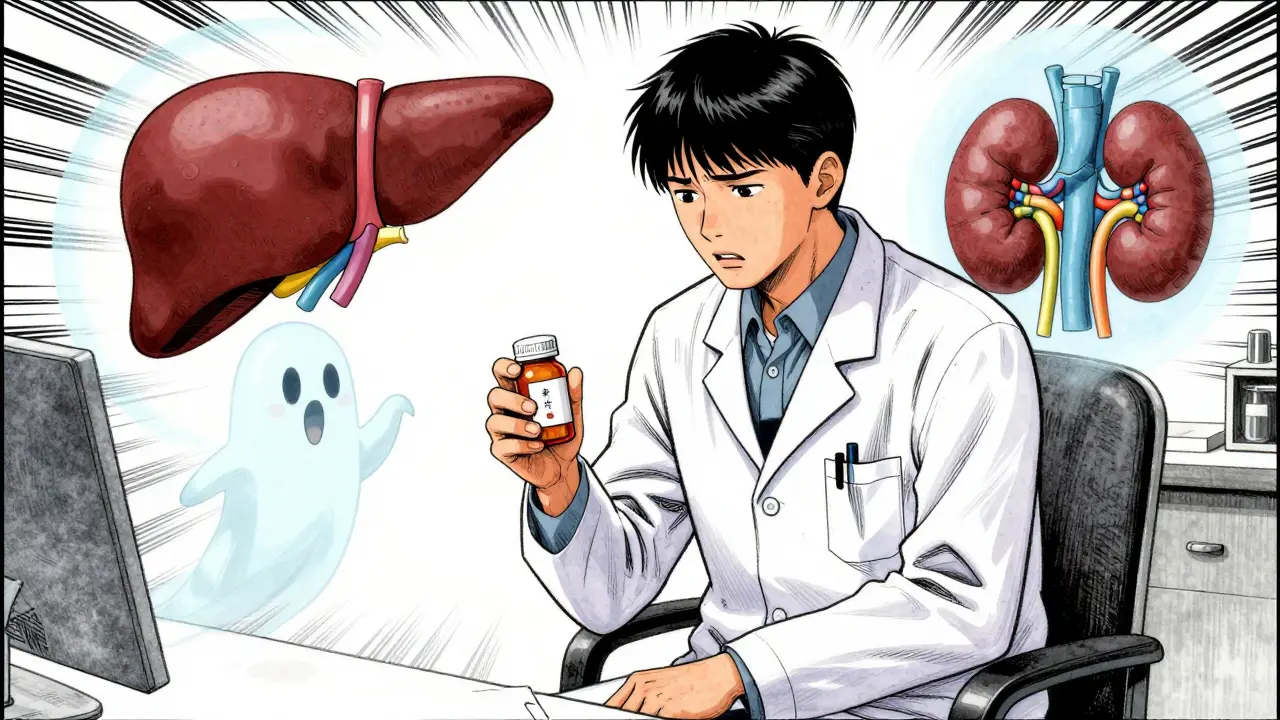
Metformin & Liver Safety Risk Checker
Your Profile
Enter your details
Select your condition above to see how it relates to Metformin safety.
Imagine you are managing type 2 diabetes with Metformin, the world's most prescribed diabetes medication. Now imagine your doctor also tells you that you have a liver condition. Suddenly, a scary term pops up in your medical records: lactic acidosis. For decades, this fear kept doctors away from prescribing Metformin to anyone with liver issues. But is that rule still valid? The answer is more complex than a simple yes or no.
The relationship between Glucophage and liver health has shifted dramatically in recent years. While severe liver damage remains a strict contraindication, new evidence suggests that for many patients with non-alcoholic fatty liver disease (NAFLD), Metformin might actually be beneficial. Understanding this nuance is critical for preventing rare but serious complications while keeping blood sugar under control.
Understanding the Risk: What Is Metformin-Associated Lactic Acidosis?
To understand why we worry about the liver, we first need to look at how Metformin works in the body. It lowers blood sugar by reducing glucose production in the liver and improving insulin sensitivity. However, it also slightly increases lactate production as a byproduct of cellular metabolism. In a healthy person, the liver clears this lactate efficiently. When the liver is damaged, it cannot clear lactate as well. If lactate builds up faster than it can be removed, it leads to Metformin-associated lactic acidosis (MALA).
MALA is defined clinically by two specific markers: a serum pH lower than 7.35 and a lactate concentration higher than 5 mM. This is not just a lab curiosity; it is a medical emergency. According to data from the U.S. Food and Drug Administration (FDA) and the European Medicines Agency (EMA), the incidence is low-estimated at 3 to 10 cases per 100,000 patient-years-but the mortality rate is high, ranging from 28% to 47% once established.
There are two main ways MALA presents:
- Chronic or Incidental MALA: This occurs in patients who have underlying conditions (like advanced liver or kidney disease) that cause Metformin to accumulate in their system over time, leading to toxic levels.
- Acute Metformin-Induced Lactic Acidosis (MILA): This happens after an intentional overdose or accidental ingestion of too much medication. Studies show this accounts for about 9% of Metformin mono-overdoses.
The symptoms are often vague and easy to mistake for other illnesses. You might experience nausea (seen in 78% of cases), vomiting (65%), or stomach pain (52%). Many patients present with low blood pressure (systolic BP <90 mmHg in 83% of cases) and may require mechanical ventilation due to respiratory failure. Because these signs are non-specific, early recognition relies on knowing your risk factors.
The Liver Disease Spectrum: Who Can Take Metformin?
Not all "liver disease" is created equal. The old blanket ban on Metformin for any liver issue is being replaced by a more nuanced approach based on the severity of liver function. Doctors use the Child-Pugh classification system to stage chronic liver disease. Your ability to safely take Metformin depends heavily on which class you fall into.
| Liver Status | Child-Pugh Class | Metformin Recommendation | Risk Level |
|---|---|---|---|
| Normal / Mild Fatty Liver | N/A (or A) | Safe and Recommended | Very Low |
| Compensated Cirrhosis | Class A | Generally Safe with Monitoring | Low |
| Decompensated Cirrhosis | Class B or C | Contraindicated (Do Not Use) | High |
| Active Alcohol Use Disorder | Varies | Avoid | High |
For patients with Non-Alcoholic Fatty Liver Disease (NAFLD), the story is different. NAFLD is incredibly common, affecting millions worldwide. Recent guidelines from the American Diabetes Association (ADA) in 2023 state that Metformin is appropriate for patients with stable chronic liver disease, including compensated cirrhosis (Class A). In fact, some experts argue that Metformin helps reduce liver fat and inflammation, potentially slowing the progression of NAFLD. Dr. John B. Buse, a prominent endocrinologist, has noted that the evidence against using Metformin in non-cirrhotic liver disease is weak, and the benefits may outweigh theoretical risks.
However, caution is paramount for those with decompensated cirrhosis (Class B or C). Dr. Kenneth Cusi emphasizes that in these stages, the liver’s ability to clear lactate is profoundly impaired. Using Metformin here is considered absolutely contraindicated because the risk of fatal lactic acidosis is unacceptable.

Prevention Strategies: Protecting Yourself from Lactic Acidosis
Preventing MALA is about managing triggers and monitoring your body. Even if you have mild liver issues, certain situations can temporarily impair your liver or kidney function, spiking your risk. Here is how to stay safe.
1. Manage Dehydration and Illness
Dehydration reduces blood flow to the kidneys, causing Metformin to build up in your system. If you are sick with the flu, have severe diarrhea, or are vomiting, you are at higher risk. The general rule is to stop taking Metformin during acute illnesses that cause dehydration until you are fully recovered and eating normally. Always consult your doctor before restarting.
2. Pause Before Procedures
If you are scheduled for surgery or imaging tests involving contrast dye (like a CT scan with iodine-based contrast), you must stop Metformin. Contrast dye can stress the kidneys. Guidelines recommend stopping Metformin at least 48 hours before such procedures. Do not restart it until your kidney function has been rechecked and confirmed as normal.
3. Regular Monitoring
If you have liver disease and are approved to take Metformin, regular blood work is non-negotiable. You should have your liver function tests (LFTs) checked every 3 months. Additionally, your estimated glomerular filtration rate (eGFR) should be monitored annually, or more frequently if you have kidney concerns. If you develop unexplained muscle pain, weakness, or difficulty breathing, seek medical attention immediately and ask for a lactate level test.
4. Avoid Alcohol Excess
Alcohol metabolism produces lactate. Combining heavy alcohol use with Metformin significantly increases the risk of lactic acidosis, especially in patients with existing liver strain. Moderation is key, and abstinence is recommended if you have advanced liver disease.
What Happens If Lactic Acidosis Occurs?
If MALA is suspected, immediate hospital care is required. Time is tissue. The treatment focuses on correcting the acid imbalance and removing the drug from your body.
- Supportive Care: Patients are stabilized with intravenous fluids and oxygen. If the blood pH drops below 7.20, sodium bicarbonate infusion may be used to neutralize the acid, particularly if there is heart involvement.
- Hemodialysis: For severe cases (pH < 7.0, lactate > 20 mM, or no improvement after 2 hours of conservative therapy), hemodialysis is the gold standard. It clears Metformin rapidly-at a rate of about 170 mL/min compared to 30-40 mL/min for continuous renal replacement therapy (CRRT).
- Observation: Patients at risk are observed for at least 12 hours with continuous vital sign monitoring and serial lactate measurements every 2 hours to ensure levels are dropping.

Alternatives to Metformin for Liver Patients
If your liver disease is too advanced for Metformin, or if you prefer to avoid the risk entirely, other options exist. Newer classes of diabetes medications have different safety profiles regarding the liver.
- SGLT2 Inhibitors: Drugs like empagliflozin or dapagliflozin work by excreting excess sugar through urine. They have shown benefits for both heart and kidney health and do not carry the same lactic acidosis risk.
- GLP-1 Receptor Agonists: Injectables like semaglutide or liraglutide help control blood sugar and promote weight loss. Weight loss itself can improve NAFLD, making these drugs a dual-benefit option for many patients.
- DPP-4 Inhibitors: Oral medications like sitagliptin are generally considered safe in liver disease, though dose adjustments may be needed depending on the specific drug and severity of impairment.
Discuss these alternatives with your healthcare provider. The goal is to find a regimen that controls your diabetes without compromising your liver health.
Conclusion: Balancing Benefits and Risks
The narrative around Metformin and liver disease is evolving. It is no longer a universal "no." For the millions of people with NAFLD or compensated cirrhosis, Metformin remains a powerful, cost-effective tool that may even protect the liver. However, for those with decompensated disease, the risk of lactic acidosis is real and dangerous. By understanding your Child-Pugh class, staying hydrated, avoiding alcohol excess, and communicating openly with your doctor about procedures and illnesses, you can safely manage your diabetes. Knowledge is your best defense against lactic acidosis.
Can I take Metformin if I have fatty liver disease?
Yes, in most cases. Non-alcoholic fatty liver disease (NAFLD) is not a contraindication for Metformin. In fact, many experts believe Metformin may help reduce liver fat and inflammation. However, you should have your liver enzymes monitored regularly to ensure your liver function remains stable.
What are the early signs of lactic acidosis?
Early symptoms are often non-specific and include nausea, vomiting, stomach pain, unusual muscle pain, weakness, dizziness, and slow or irregular breathing. If you feel suddenly very ill while taking Metformin, especially if you are dehydrated or have had a recent illness, seek medical help immediately and mention your medication.
Is Metformin safe for everyone with Type 2 Diabetes?
No. While it is the first-line treatment for most people, it is contraindicated in patients with severe kidney disease (low eGFR), severe liver disease (decompensated cirrhosis), active alcohol abuse, or conditions that cause tissue hypoxia (like heart failure or severe lung disease).
How does Metformin affect the liver?
Metformin primarily works by reducing glucose production in the liver. In patients with NAFLD, studies suggest it may decrease hepatic steatosis (fat accumulation) and improve insulin sensitivity in liver cells. However, in damaged livers, it can impair lactate clearance, leading to a buildup of lactic acid.
Should I stop Metformin before surgery?
Yes. Standard medical guidelines recommend stopping Metformin at least 48 hours before any surgical procedure or imaging test involving iodinated contrast dye. This prevents kidney stress and potential drug accumulation. Restart only after your doctor confirms your kidney and liver function are normal.
What is the difference between Child-Pugh Class A and Class B liver disease?
Child-Pugh Class A indicates well-compensated liver disease where the liver is still functioning reasonably well. Metformin is often safe here with monitoring. Class B indicates significant functional compromise (decompensated), where the liver struggles to perform essential tasks like clearing toxins and producing proteins. Metformin is generally unsafe in Class B due to high lactic acidosis risk.
Are there safer alternatives to Metformin for liver patients?
Yes. SGLT2 inhibitors (like Jardiance or Farxiga) and GLP-1 receptor agonists (like Ozempic or Trulicity) are often preferred for patients with advanced liver disease. They do not carry the risk of lactic acidosis and may offer additional cardiovascular and weight-loss benefits.
Does alcohol increase the risk of lactic acidosis with Metformin?
Yes, significantly. Alcohol metabolism generates lactate. Consuming large amounts of alcohol while taking Metformin can overwhelm the liver's ability to process lactate, drastically increasing the risk of lactic acidosis. Patients on Metformin should limit alcohol intake strictly.
How common is Metformin-associated lactic acidosis?
It is rare. The incidence is estimated at 3 to 10 cases per 100,000 patient-years. However, because it has a high mortality rate when it does occur, prevention and early detection are critical components of patient care.
Can Metformin cure fatty liver disease?
Metformin is not considered a cure for NAFLD. While it may help reduce liver fat and improve metabolic markers, lifestyle changes such as weight loss, diet modification, and exercise remain the primary treatments for reversing fatty liver disease. Metformin is used primarily to manage blood sugar levels.