
Imagine getting a phone call from your doctor saying you no longer have type 2 diabetes. You didn't just manage it; you put it into remission, which is a state where blood glucose levels return to normal ranges without the need for daily glucose-lowering medications. For years, this concept was dismissed as impossible or misleading. Today, backed by major medical organizations, it is a recognized clinical goal. But what does it actually mean? Is it a cure? And how do you get there safely?
The short answer is that remission is real, achievable for many, and distinct from a cure. It requires significant effort, primarily through weight loss, but the payoff can be life-changing. This article breaks down the official definitions, the science behind why weight loss works, and how to navigate the tricky process of stopping your medications.
The Official Definition of Remission
Before we talk about how to achieve remission, we need to agree on what it is. In 2021, a coalition of leading health bodies-including the American Diabetes Association (ADA), the Endocrine Society, the European Association for the Study of Diabetes (EASD), and Diabetes UK-released an international consensus statement. They standardized the definition to stop confusion across different studies and clinics.
According to this consensus, you are in remission if:
- Your HbA1c level (average blood sugar over three months) stays below 6.5% (48 mmol/mol).
- You maintain this level for at least three months.
- You are not taking any glucose-lowering medications during this period.
If your HbA1c test is unreliable due to certain blood conditions, doctors may use fasting plasma glucose (below 126 mg/dL or 7.0 mmol/L) or continuous glucose monitoring data instead. The key takeaway here is the absence of medication. If you are still taking metformin or insulin to keep your numbers down, you are managing diabetes, not in remission.
This definition is a pragmatic tool. As Dr. Roy Taylor from Newcastle University noted, it is a "working hypothesis" designed to help clinicians identify success and motivate patients. It isn't a magical biological line in the sand, but it provides a clear target for treatment.
Why Weight Loss Is the Key Driver
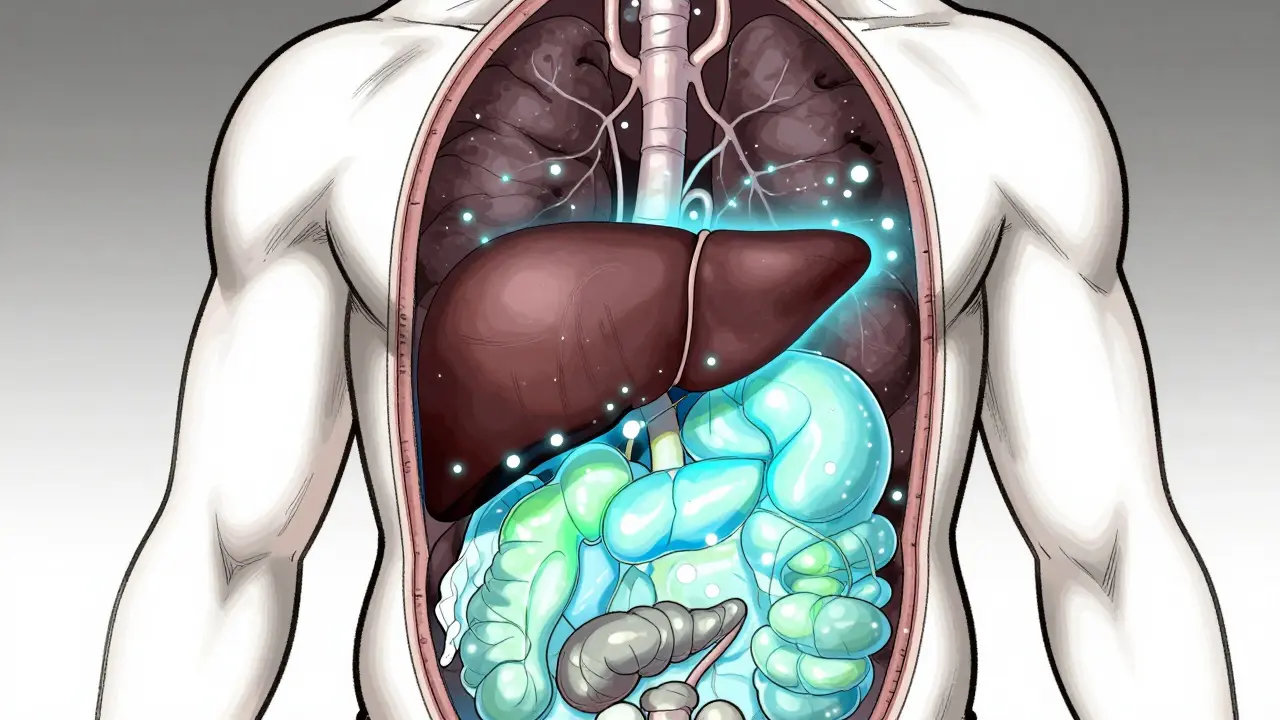
So, how do you get those numbers down without pills? The evidence overwhelmingly points to one factor: significant weight loss. Type 2 diabetes is largely driven by excess fat stored in the liver and pancreas. This fat interferes with how your body produces and uses insulin.
The landmark DiRECT trial (Diabetes Remission Clinical Trial) provided some of the strongest proof. In this study, participants who lost at least 10 kilograms (about 22 pounds) had a 46% chance of achieving remission after one year. Those who didn't lose that much weight rarely entered remission.
It’s not just about dieting; it’s about removing the fuel source for the disease. When you lose visceral fat (the deep belly fat), your liver starts processing glucose normally again, and your pancreas wakes up to produce insulin effectively. The DiRECT-Aus study later confirmed these results in diverse populations using total diet replacement programs, showing that intensive lifestyle changes work across different groups.
However, timing matters. Remission is most likely if you attempt it within the first five years of diagnosis. After that, the beta cells in your pancreas may have suffered too much damage to recover fully. Lower baseline HbA1c levels also predict better outcomes.
Meditation De-escalation: How to Stop Meds Safely
Achieving normal blood sugar levels doesn't mean you should just throw away your pills. That would be dangerous. Medication de-escalation must be supervised by your healthcare provider. Here is how the process typically works:
- Assessment: Your doctor checks your current HbA1c, kidney function, and overall health to see if you are a candidate for reducing meds.
- Gradual Reduction: Insulin doses are often reduced first as weight drops and sensitivity improves. Oral medications like sulfonylureas might be tapered next because they carry a higher risk of hypoglycemia (low blood sugar) when your natural insulin production returns.
- Monitoring: You will check your blood sugar frequently at home. If your levels remain stable and low without medication, your doctor may stop the drugs entirely.
- Confirmation: Once off medication, you wait three months. Then, you get a follow-up HbA1c test. If it is under 6.5%, you are officially in remission.
Dr. Michael Nauck cautions that striving for remission shouldn't prevent you from using medications that offer heart or kidney protection. Some newer drugs, like GLP-1 agonists, help with weight loss and organ health even if they don't lead to complete medication-free remission. The goal is health, not just a label.
Remission vs. Cure: Understanding the Difference
This is the most critical distinction to make. Remission is not a cure. Your underlying genetic predisposition and metabolic history haven't changed. If you regain the weight, the diabetes will almost certainly return.
The Royal Australian College of General Practitioners (RACGP) guidelines emphasize that "remission does not mean that type 2 diabetes is cured or reversed." The risk of cardiovascular issues may persist, and glucose intolerance can resurface. Think of remission as putting the disease into a deep sleep. You have to keep the room quiet (maintain healthy habits) to ensure it stays asleep.
Data shows that remission rates drop over time. In the DiRECT trial, the rate fell from 46% at one year to 36% at two years. This decline highlights the difficulty of long-term weight maintenance. However, every month spent in remission reduces your risk of complications like nerve damage, eye disease, and kidney failure.
Who Is a Good Candidate?
Not everyone will achieve remission, and that's okay. Managing diabetes with medication is still a huge success. However, you are more likely to succeed if you fit this profile:
| Factor | Impact on Remission Likelihood | Reasoning |
|---|---|---|
| Duration of Diabetes | Higher if < 5 years | Beta cells retain more function early in the disease. |
| Baseline HbA1c | Higher if lower (< 7.5%) | Indicates less severe metabolic disruption. |
| Medication Type | Higher if non-insulin users | Insulin dependence often signals advanced beta-cell exhaustion. |
| Weight Loss Amount | Higher if ≥ 10kg | Significant fat reduction is needed to clear liver/pancreas fat. |
| Age | Moderate impact | Younger patients often have more metabolic flexibility. |
If you have had diabetes for 10+ years and require high-dose insulin, remission is less likely. In these cases, the focus shifts to minimizing complications and improving quality of life through management rather than elimination of the disease.
Maintaining Remission: The Long Game
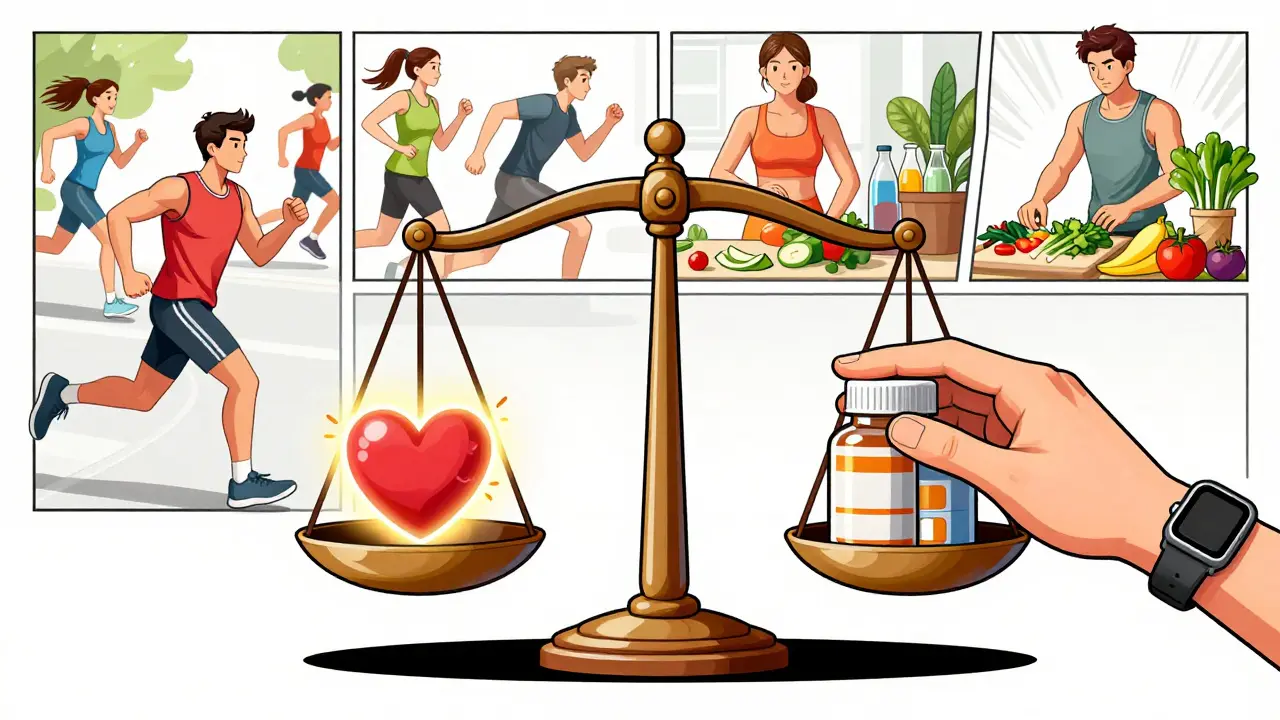
Getting into remission is the hard part; staying there is the ongoing challenge. The NHS Scotland "Right Decisions" platform stresses that remission needs to be maintained. You cannot slack off on diet and exercise once the label is applied.
Here are practical steps to sustain remission:
- Regular Monitoring: Even without diabetes symptoms, get your HbA1c checked at least yearly. Catching a rise early allows for quick intervention.
- Physical Activity: Muscle mass helps burn glucose. Aim for a mix of aerobic exercise and strength training.
- Dietary Consistency: You don't need to stay on the strict meal-replacement diet used in trials forever, but you do need to avoid returning to high-calorie, high-sugar eating patterns.
- Support Systems: Join groups or work with coaches. Social support is a strong predictor of long-term weight maintenance.
Remember, relapse is not failure. If your numbers creep back up, it simply means your body needs more support. Re-introducing medication is a safe and effective way to protect your health while you reassess your lifestyle goals.
The Future of Remission Research
Science is still catching up to the clinical reality. Experts like Dr. Matthew Riddle acknowledge gaps in our knowledge. We don't fully understand how long remission lasts for different individuals or its exact impact on mortality rates compared to well-managed diabetes on medication.
Future research is looking into whether the three-month timeframe or the 6.5% threshold should change. There is also discussion about creating a "second category" of remission for people who achieve control with weight-loss drugs like semaglutide. As the global prevalence of diabetes rises, making remission a standard, accessible treatment goal becomes increasingly vital for public health.
Can I drive if I am in diabetes remission?
Yes, generally speaking. Since you are not on insulin or sulfonylureas (medications that cause hypoglycemia), the risk of low blood sugar episodes while driving is minimal. However, always check local regulations, as some regions may still require notification to licensing authorities regardless of medication status.
Does insurance cover tests for remission?
Coverage varies by country and provider. In many systems, routine HbA1c testing is covered annually for anyone with a history of diabetes, even in remission, to monitor for recurrence. Check with your specific insurer regarding frequency limits.
Is bariatric surgery a valid path to remission?
Yes. The ARMMS-T2D study showed that 37.5% of participants achieved remission after metabolic/bariatric surgery at three years. Surgery induces rapid and significant weight loss and hormonal changes that improve glucose metabolism, making it a powerful tool for eligible candidates.
What happens if my HbA1c goes above 6.5% after being in remission?
You are no longer considered in remission, but this is not a failure. It indicates that your diabetes has returned. Your doctor will likely restart medication and discuss lifestyle adjustments. Early detection prevents long-term damage.
Can I eat sweets while in remission?
Occasional treats are possible, but caution is advised. Your body is more sensitive to sugar spikes than someone without a history of diabetes. Regular consumption of high-sugar foods can lead to weight regain and a return of hyperglycemia. Moderation and balance are key.
How often should I see my doctor during remission?
At least once a year for a full check-up, including HbA1c, blood pressure, cholesterol, and kidney function. More frequent visits may be needed if you are actively working on weight loss or adjusting other health factors.