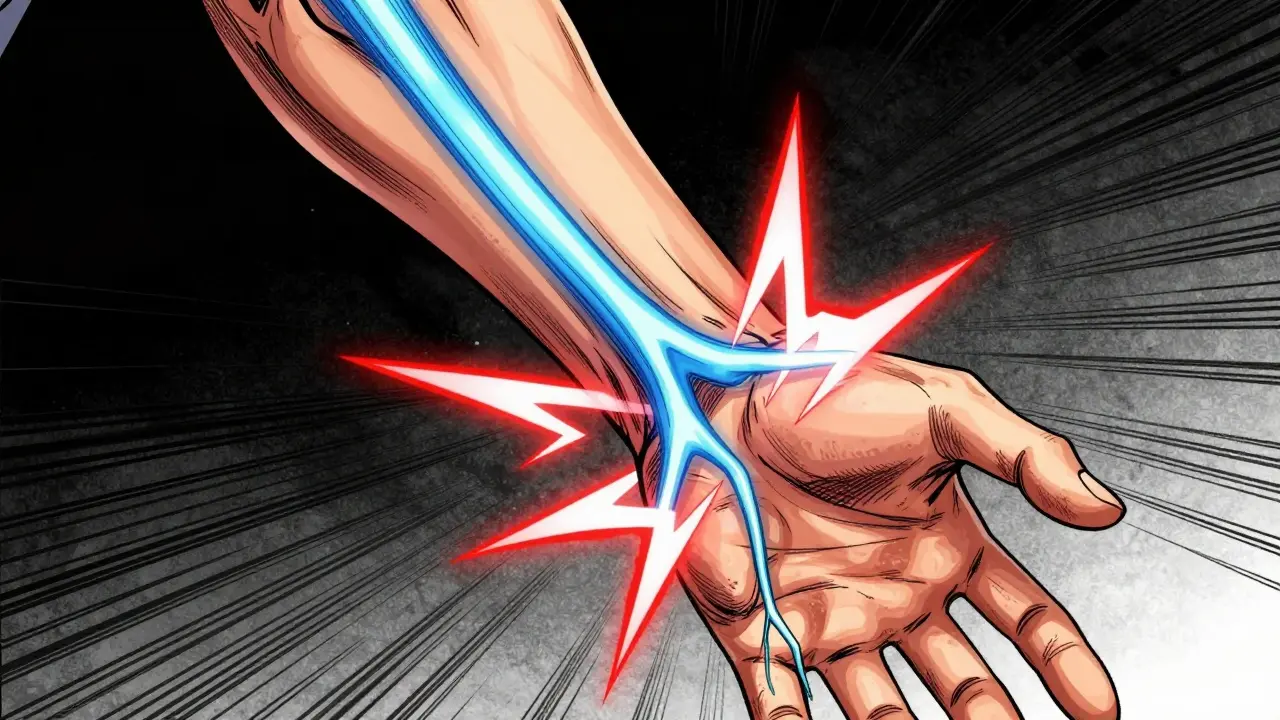
Have you ever woken up with a tingling sensation in your pinky and ring finger? Or maybe your hand feels weak when you try to grip something, like a coffee mug or a steering wheel. If this sounds familiar, you might be dealing with ulnar neuropathy, also known as ulnar nerve entrapment. It is one of the most common nerve compression issues in the body, right after carpal tunnel syndrome. While it often starts as a minor annoyance, ignoring it can lead to permanent muscle loss and weakness in your hand.
This condition happens when the ulnar nerve is compressed or pinched along its path from your neck to your hand. Most people experience this pinch at the elbow, a spot commonly called the "funny bone." But it can also happen at the wrist. The good news is that early detection and the right treatment plan can stop the damage and get your hand feeling normal again.
What Is Ulnar Neuropathy?
To understand why your hand hurts, you need to know where the problem starts. The ulnar nerve originates from the lower part of your neck (spinal nerves C8 and T1) and travels down your arm. It runs close to the surface of your skin, especially at the elbow and wrist, which makes it very vulnerable to pressure and injury.
This nerve has two main jobs. First, it provides sensation to your little finger and the half of your ring finger closest to it. Second, it controls many of the small muscles in your hand that help you grip, pinch, and move your fingers independently. When the nerve gets squeezed, these functions start to fail.
| Location | Medical Name | Why It Gets Pinched |
|---|---|---|
| Elbow | Cubital Tunnel Syndrome | The nerve stretches over the bony bump of the elbow. Bending the elbow tightens the space around the nerve. |
| Wrist | Guyon's Canal Syndrome | Pressure on the heel of the hand, often from cycling handlebars or using tools without padding. |
Recognizing the Symptoms
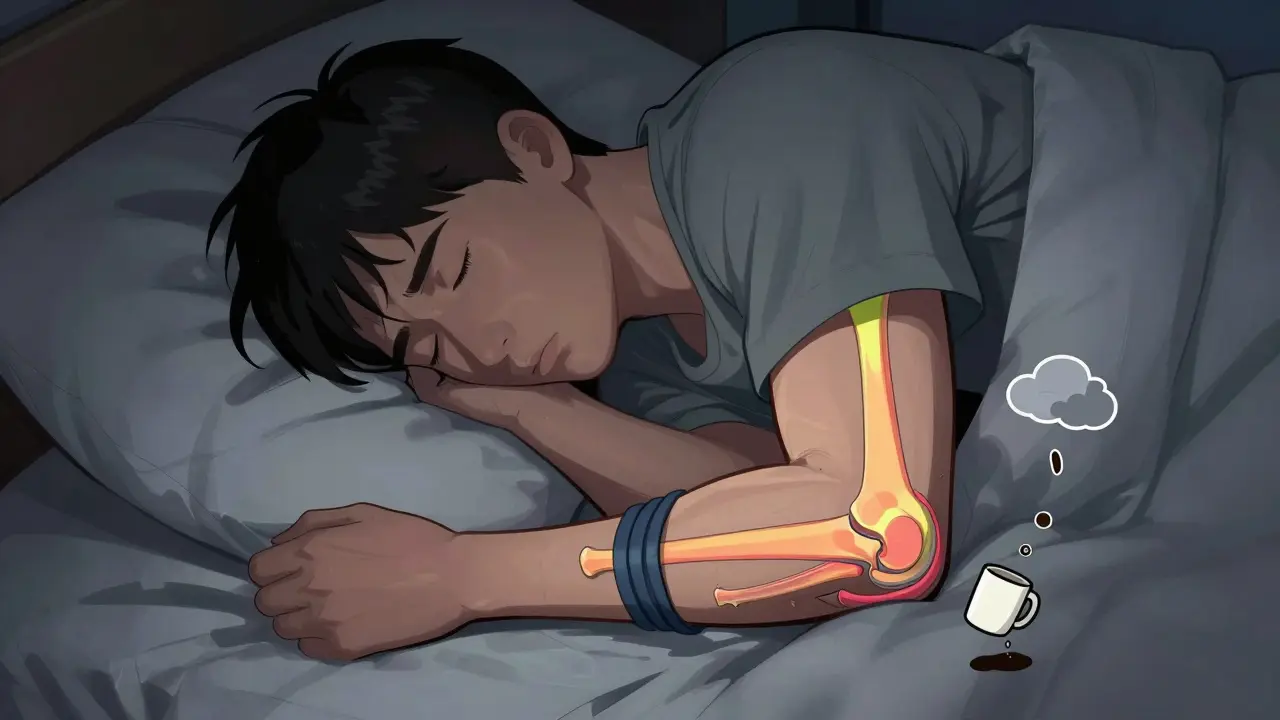
Symptoms usually don't appear overnight. They creep in slowly, which is why many people ignore them until they become severe. You might notice intermittent numbness or tingling first. This often happens at night because we tend to sleep with our elbows bent, which puts maximum pressure on the nerve.
As the condition worsens, the numbness becomes constant. You may feel a burning sensation or electric shocks running down your arm into your fingers. A key sign of progression is weakness. You might drop things more often than usual. In advanced cases, the muscles in your hand begin to shrink (atrophy). This leads to a visible change in hand shape, sometimes called "claw hand," where the ring and little fingers curl inward and cannot straighten fully.
If you notice any muscle wasting in your hand, do not wait. See a doctor immediately. Muscle loss is harder to reverse than simple numbness.
Why Does This Happen?
Several factors contribute to ulnar nerve entrapment. Understanding your risk factors can help you prevent it or manage it better.
- Anatomy: Some people have a tighter cubital tunnel naturally. Others have extra bands of tissue that press on the nerve.
- Repetitive Motion: Jobs or hobbies that require keeping your elbow bent for long periods increase risk. Think about talking on the phone, driving long distances, or playing tennis.
- Direct Pressure: Leaning on your elbows while working at a desk or sleeping on your arms compresses the nerve directly.
- Prior Injury: A broken elbow or dislocation can scar the tissue around the nerve, leading to future compression.
- Health Conditions: Diabetes, arthritis, and thyroid disorders can make nerves more susceptible to damage.
Men are slightly more likely to develop this condition than women, and it most frequently affects people between the ages of 35 and 64. However, anyone can get it if their lifestyle involves repetitive strain on the elbow.
Diagnosis: How Doctors Confirm the Issue
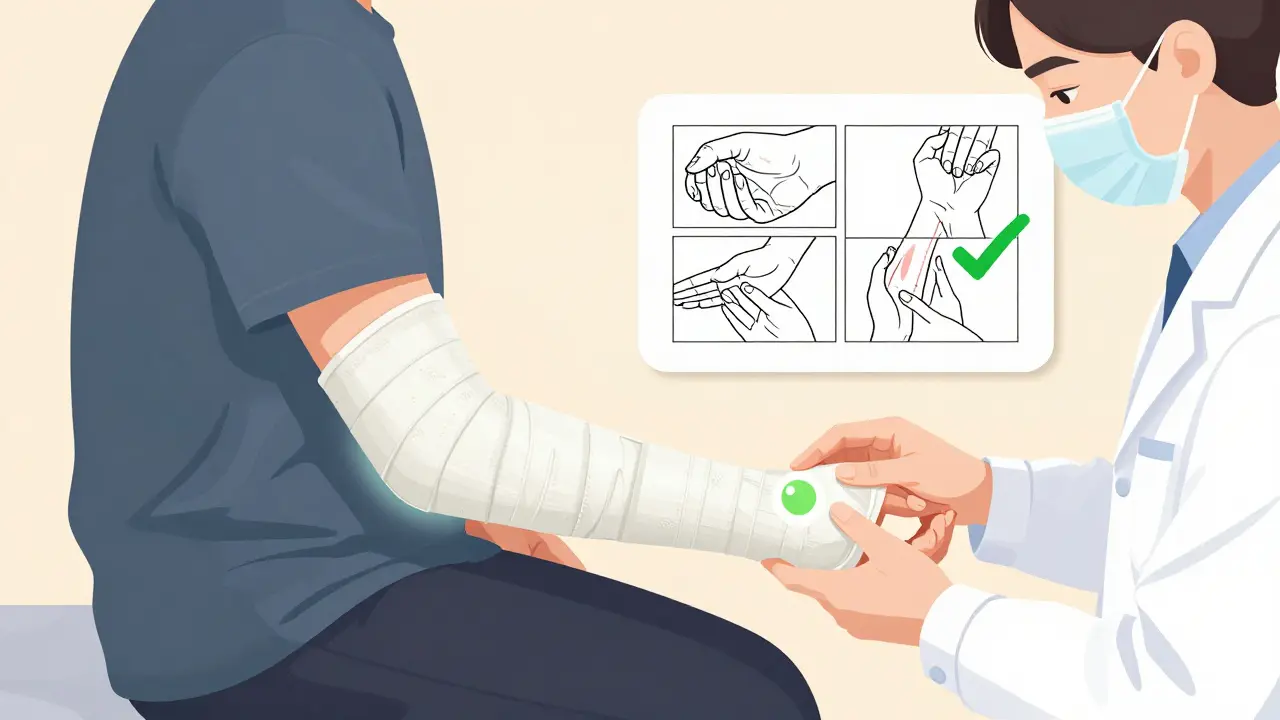
Your doctor will start with a physical exam. They will check for tenderness near your elbow or wrist and test the strength and sensation in your hand. A classic test is the Froment sign, where you try to hold a piece of paper between your thumb and index finger. If you have to bend your thumb joint to keep it there, it suggests ulnar nerve weakness.
If the physical exam isn't enough, they may order an EMG/NCS (Electromyography and Nerve Conduction Study). This test measures how fast electrical signals travel through your nerve. Slow signals indicate compression. Imaging tests like ultrasound or MRI might also be used to look for structural problems like cysts or bone spurs pressing on the nerve.
Treatment Options: From Braces to Surgery
The treatment plan depends entirely on how bad your symptoms are. For mild cases, conservative treatments work well. About 90% of patients with mild symptoms find relief without surgery. However, only about 38% of those with moderate symptoms respond to non-operative methods. If you have muscle atrophy or severe sensory loss, surgery is usually necessary.
Conservative (Non-Surgical) Treatments
If you catch it early, you can often manage it at home with some medical guidance.
- Night Splinting: This is the most effective first step. Wear a brace that keeps your elbow straight while you sleep. This prevents the nerve from being stretched tight all night. Many patients see significant improvement within 4 to 6 weeks.
- Activity Modification: Avoid leaning on your elbows. Take frequent breaks if you drive or use a computer. Keep your elbow straighter during activities.
- Medication: Nonsteroidal anti-inflammatory drugs (NSAIDs) like ibuprofen can reduce swelling around the nerve. For pain management, doctors might prescribe gabapentin or pregabalin.
- Physical Therapy: A therapist can teach you nerve gliding exercises. These gentle movements help the nerve slide smoothly through the tissues, reducing adhesions.
Surgical Interventions
If conservative methods fail after three months, or if your symptoms are severe, surgery is the next option. The goal is to relieve pressure on the nerve. There are three main types of surgery:
- Decompression: The surgeon cuts the ligament that forms the roof of the cubital tunnel, giving the nerve more room. This is less invasive but may not work for everyone.
- Anterior Transposition: The nerve is moved to the front of the elbow, where it is protected by muscle instead of bone. This is common for patients who need to bend their elbows heavily.
- Medial Epicondylectomy: The surgeon removes the bony bump on the inside of the elbow so the nerve doesn't rub against it.
Recovery time varies. Simple decompression might take 6 to 12 weeks to heal fully. More complex procedures like transposition can take 3 to 6 months. Hand therapy usually begins 2 to 3 weeks after surgery to restore strength and flexibility.
Living with Ulnar Neuropathy
Preventing recurrence is just as important as treating the initial episode. Even after surgery, you must protect your nerve. Ergonomic changes at work can make a huge difference. Use padded armrests, adjust your chair height, and avoid resting your weight on your elbows.
If you cycle, consider changing your handlebar position or wearing padded gloves to reduce pressure on Guyon's canal at the wrist. For athletes, modifying technique to avoid repetitive hyperextension of the elbow can prevent flare-ups.
Remember, nerves heal slowly. Be patient with your recovery. Consistency with exercises and protective habits is key to long-term success.
How long does it take for ulnar neuropathy to heal?
Healing time depends on the severity. Mild cases treated with bracing and activity modification may improve in 4 to 6 weeks. Moderate cases might take several months of physical therapy. Surgical cases require 3 to 6 months for full recovery. Nerves regenerate slowly, so patience is essential.
Can ulnar neuropathy go away on its own?
Mild symptoms caused by temporary pressure might resolve with rest and avoiding aggravating activities. However, chronic entrapment rarely resolves completely without intervention. Ignoring persistent symptoms can lead to permanent nerve damage and muscle atrophy.
Is surgery successful for cubital tunnel syndrome?
Yes, surgery is generally effective. Studies show that 85-90% of patients achieve satisfactory functional outcomes. However, about 12.5% of patients may experience symptom recurrence if the underlying cause isn't fully addressed or if they return to high-risk activities too soon.
What is the difference between cubital tunnel and Guyon's canal syndrome?
Both involve ulnar nerve compression but at different locations. Cubital tunnel syndrome occurs at the elbow, causing numbness in the ring and little fingers and potential weakness in hand muscles. Guyon's canal syndrome occurs at the wrist, often sparing the back of the hand sensation but affecting grip strength and dexterity.
Does diabetes affect ulnar neuropathy?
Yes, diabetes makes nerves more vulnerable to compression and damage. High blood sugar can impair nerve health and blood flow. People with diabetes often experience more severe symptoms and slower healing times compared to those without the condition.