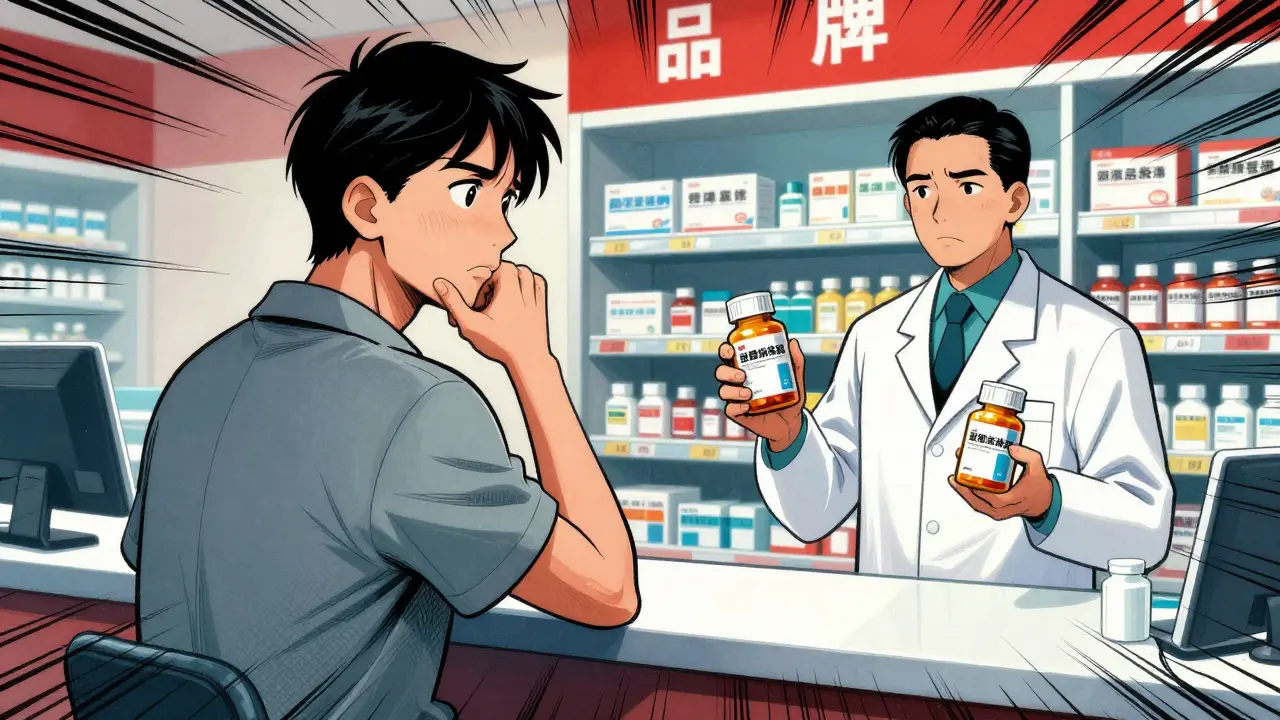
Have you ever walked into a pharmacy expecting a cheap generic pill, only to be told the brand-name version is your only option? Or perhaps you saw a "generic" version of a drug that looked exactly like the expensive brand but came from a different company at a slightly lower price? That second scenario describes an authorized generic, which is a pharmaceutical product manufactured by the brand-name company but sold without the brand label at a generic price.
Here is the catch: not every drug has one. In fact, most don't. As of late 2019, there were only 1,215 authorized generics (AGs) listed with the FDA out of tens of thousands of prescription medications on the market. If you are wondering why your specific medication doesn’t have this cheaper alternative, it usually comes down to cold, hard business strategy rather than medical necessity.
What Exactly Is an Authorized Generic?
To understand why they are rare, we first need to define what they are. An authorized generic is identical to the brand-name drug in every way except the packaging and the name on the box. It uses the exact same formulation, manufacturing process, and quality controls.
The big difference lies in how they get approved. Traditional generic manufacturers must file an Abbreviated New Drug Application (ANDA) and prove their drug is bioequivalent to the brand. This process can take three to four years. Authorized generics, however, ride under the brand manufacturer’s existing New Drug Application (NDA). Because the FDA already approved the formula for the brand, the AG can hit the shelves almost immediately.
This loophole emerged from the Hatch-Waxman Act, which was the Drug Price Competition and Patent Term Restoration Act of 1984 designed to balance patent protection with generic competition. While intended to spur competition, brand companies realized they could use this mechanism to sell their own products as generics, undercutting traditional competitors while keeping control of the supply chain.
The Strategic Game: Why Brands Launch Them
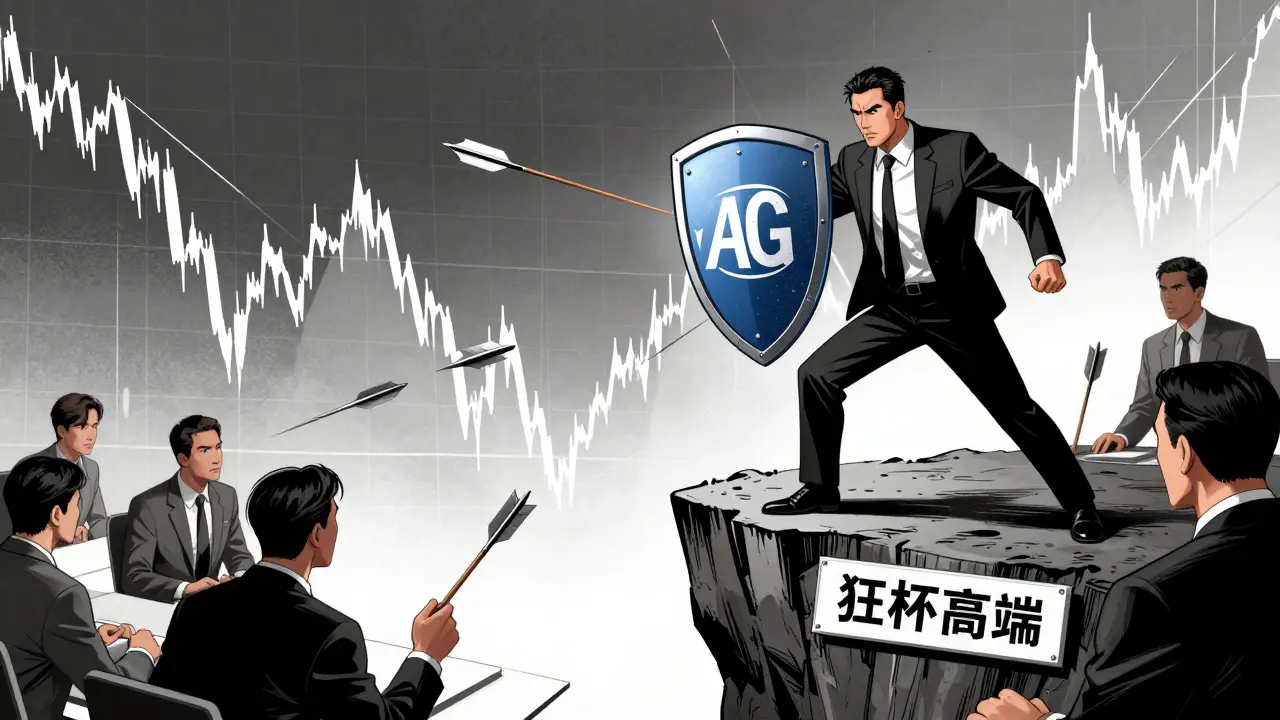
Brand manufacturers do not launch authorized generics out of the kindness of their hearts. They are strategic weapons used to protect revenue. The primary driver is the "patent cliff"-the moment a drug’s patent expires and cheap generics flood the market, causing sales to plummet.
By launching an AG before or right when patents expire, the brand company achieves two things:
- Preempting Competitors: If a brand sells its own generic at a discount, it takes market share away from independent generic manufacturers who spent millions developing their own ANDA.
- Maintaining Pricing Power: Even if the AG is cheaper than the brand, it is often priced higher than what traditional generics would charge once full competition kicks in.
For example, when Teva launched an authorized generic of its blockbuster drug Protonix in 2010, they priced it about 35% below the brand price. This kept customers loyal to the Teva ecosystem while squeezing out other potential generic entrants. Similarly, Mylan launched an AG version of EpiPen in 2016 while the brand was still under patent protection, creating immediate confusion and competition against itself.
Why Most Drugs Don't Have One
If AGs are so profitable, why aren't they everywhere? The answer is economics. Developing an AG requires minimal additional manufacturing effort since the infrastructure already exists, but the legal and market risks are high.
Data from Evaluate Pharma shows a stark divide in adoption rates. About 89% of brand manufacturers with top-selling drugs (those making over $1 billion annually) have used AG strategies. In contrast, only 22% of manufacturers with drugs earning less than $100 million have done so.
Simply put, if your drug isn't a blockbuster, the brand company likely sees no point in complicating its portfolio with an AG. The administrative cost of managing two labels, dealing with pharmacist confusion, and facing potential antitrust scrutiny outweighs the benefits for smaller medications.
The Impact on Prices and Patients
Do authorized generics actually save you money? The answer is yes, but only temporarily and selectively. According to a 2011 report by the Federal Trade Commission (FTC), AG competition during the critical 180-day exclusivity period (when the first generic competitor is legally protected) lowers retail prices by 4-8% and wholesale prices by 7-14% compared to scenarios without AGs.
However, this benefit comes with significant downsides for the broader healthcare system:
- Reduced Incentive for True Generics: When brands launch AGs, they slash the potential profits for independent generic companies. The FTC found that AGs reduce the revenues of first-filing generics by 40-52% during the exclusivity period. This discourages companies from investing in the costly ANDA process for future drugs.
- Pharmacy Confusion: Pharmacists deal with identical pills in different boxes. A study published in the U.S. Pharmacist journal noted a 27% increase in prescription processing errors when both brand and AG versions were available. Walgreens staff reported frequent mix-ups, leading to delays and patient anxiety.
- Patient Confusion: A Medicare Part D survey revealed that 72% of respondents were confused when their "generic" medication suddenly appeared in different packaging or from a different manufacturer, even though the active ingredient remained the same.
Regulatory Pushback and Legal Battles
The pharmaceutical industry is deeply divided on AGs. Brand manufacturers argue they increase competition and lower prices immediately. Generic manufacturers, represented by the Association for Accessible Medicines (formerly GPhA), argue that AGs violate the spirit of the Hatch-Waxman Act by stifling true generic competition.
This tension has led to legislative efforts like the Preserve Access to Affordable Generics Act, introduced multiple times in Congress. While these bills have not passed, they signal growing regulatory scrutiny. The FTC has filed amicus briefs supporting stricter limitations on AG use, citing evidence that AGs undermine competitive entry. In 2022, the FDA updated its listing methodology to provide quarterly updates on AGs, responding to criticism that the previous annual system was outdated and opaque.
Legal scholars like Aaron Kesselheim of Harvard Medical School note that while AGs provide short-term consumer benefits, they may hinder generic competition in the long run. By reducing the financial incentive for patent challenges, AGs can extend the effective monopoly power of brand companies well beyond the original patent expiration date.
| Feature | Authorized Generic (AG) | Traditional Generic |
|---|---|---|
| Manufacturer | Brand-name company | Independent third-party company |
| Approval Path | Uses existing NDA (New Drug Application) | Requires new ANDA (Abbreviated New Drug Application) |
| Time to Market | Immediate (weeks to months) | 3-4 years typically |
| Bioequivalence Testing | Not required (identical to brand) | Required to prove equivalence |
| Pricing Strategy | Slightly lower than brand, higher than traditional generic | Significantly lower than brand (often 80-90% less) |
| Market Impact | Protects brand revenue, deters competitors | Drives down prices through open competition |
Who Benefits and Who Loses?
The stakeholders in this debate have conflicting interests. Brand manufacturers clearly benefit from AGs as a tool to manage patent cliffs. Consumers see modest, short-term savings, but often at the cost of clarity and long-term price stability. Independent generic companies lose the most, as AGs erode the profitability of their investments.
Healthcare providers face operational headaches. A 2018 AMA survey found that 63% of physicians felt the proliferation of AGs complicated therapeutic substitution decisions. Pharmacists deal with increased error rates and customer service issues. Meanwhile, patient advocacy groups like AARP report mixed results: while patients saved an average of $18.75 per prescription when AGs were available, the confusion caused by changing packaging and labels remains a significant barrier to trust.
The Future of Authorized Generics
Will we see more or fewer authorized generics in the coming years? Analysts predict a decline. Goldman Sachs' 2022 Pharma Report forecasts a 15-20% drop in AG usage over the next decade as biosimilars (generic versions of biologic drugs) become more prevalent. Biosimilars operate under different regulatory frameworks, making the AG loophole less relevant for the next generation of complex therapies.
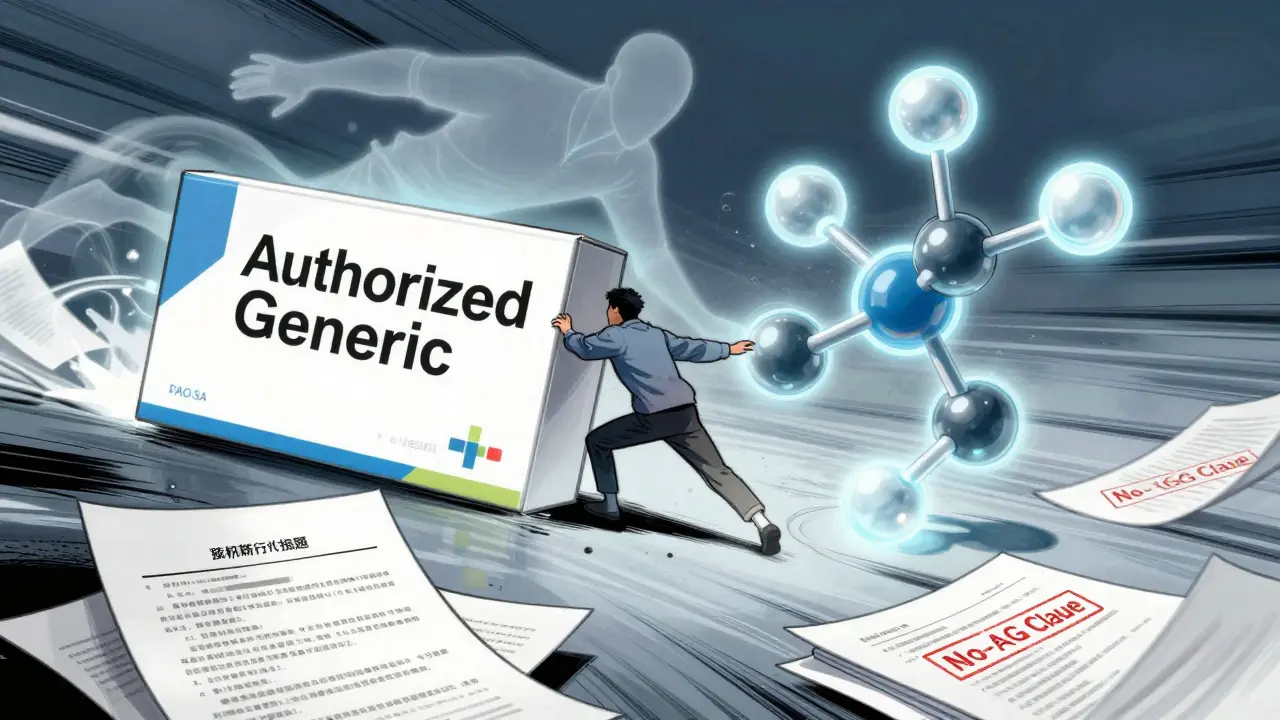
Additionally, the rise of "no-AG" clauses in patent settlements suggests that even brand companies are recognizing the backlash. Between 2018 and 2022, 78% of reverse payment settlements included agreements where brand companies promised not to launch AGs, up from 62% in the previous five-year period. This trend indicates that the legal and reputational risks of AGs are increasing, potentially limiting their availability further.
For now, if your drug lacks an authorized generic, it is likely because the brand manufacturer does not see enough strategic value in disrupting its own market. Until regulations change or market dynamics shift, the availability of AGs will remain a selective privilege reserved for a small fraction of high-revenue pharmaceuticals.
Are authorized generics safer than traditional generics?
Yes, authorized generics are considered just as safe as brand-name drugs because they are manufactured using the exact same facilities, processes, and quality controls. Unlike traditional generics, which must prove bioequivalence, AGs are identical to the brand in every chemical aspect, differing only in packaging and labeling.
Why don't all drugs have an authorized generic version?
Authorized generics are primarily a strategic tool for high-revenue "blockbuster" drugs. Data shows that 89% of manufacturers with drugs earning over $1 billion annually use AGs, compared to only 22% of those with smaller sales volumes. For lower-selling drugs, the administrative costs and potential legal risks outweigh the financial benefits of launching an AG.
How much cheaper are authorized generics compared to brand names?
The price reduction varies, but studies indicate that authorized generics typically offer a modest discount. During the 180-day exclusivity period, retail prices may drop by 4-8% and wholesale prices by 7-14%. However, they are generally more expensive than traditional generics, which can cost 80-90% less than the brand name once full competition enters the market.
Can I request an authorized generic from my pharmacist?
You can ask your pharmacist if an authorized generic is available, but you cannot always guarantee it. Since AGs are marketed by the brand company, their distribution networks may differ from traditional generics. Additionally, insurance formularies may prefer one version over another based on negotiated contracts, limiting your choice regardless of availability.
Do authorized generics hurt generic drug innovation?
Many experts believe they do. By entering the market early and capturing market share, authorized generics reduce the potential profits for independent generic manufacturers. The FTC found that AGs can reduce first-filer generic revenues by up to 52%, which may discourage companies from investing in the costly and time-consuming process of developing new generic alternatives.