It happens to almost everyone at some point. You wake up stiff, your knees creak when you walk, or your knuckles swell without explanation. You start googling symptoms and land on pages filled with confusing medical jargon. Most of us get stuck on two main names: osteoarthritis and rheumatoid arthritis. They sound similar, they cause similar pain, and honestly, it feels like splitting hairs until you realize the treatments are completely different.
Here is the hard truth: mistaking one for the other can mean months of wasted time on the wrong medication. One is caused by wear and tear; the other is caused by your own immune system attacking you. Understanding this distinction isn't just trivia-it changes how you live, move, and seek help.
Osteoarthritis: The Wear-and-Tear Condition
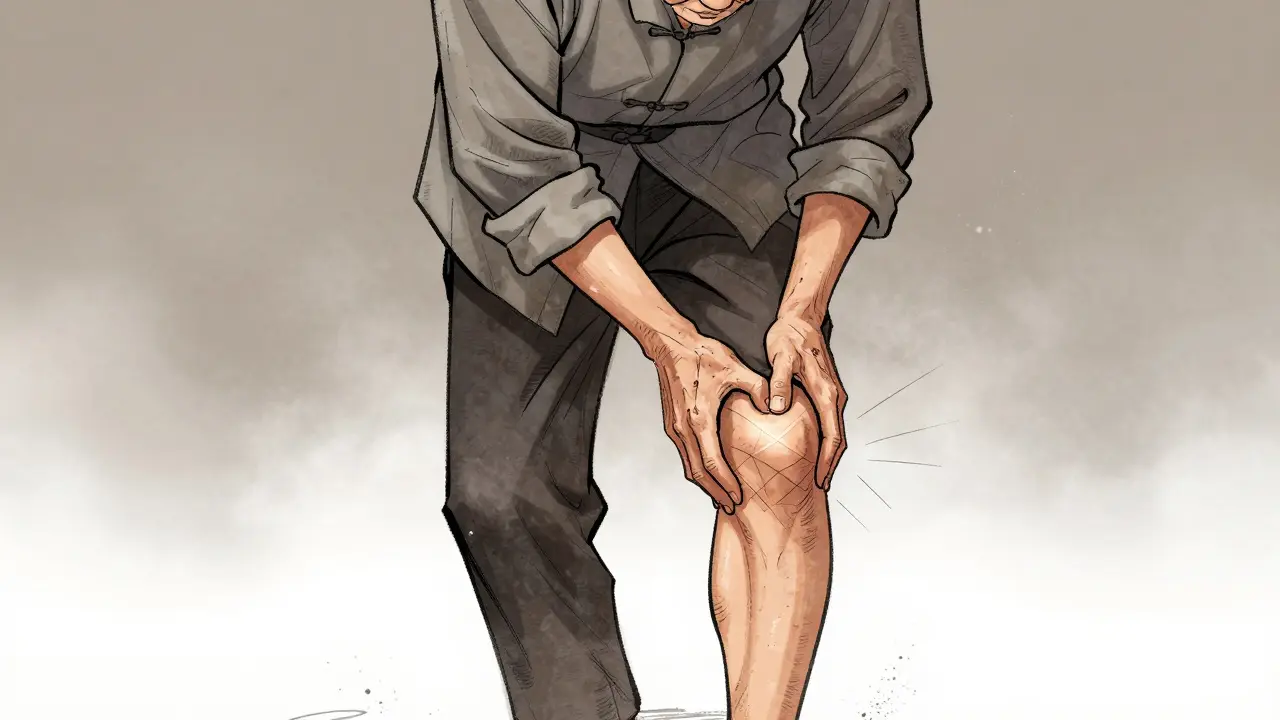
Think of Osteoarthritis as the result of your body accumulating mileage over decades. It is mechanical damage. Your joints have cartilage, which acts like a cushion between bones. When that cushion thins out or wears away, you get bone rubbing against bone. This causes pain, swelling, and that grinding sensation many people describe.
This condition usually creeps up slowly. You might notice it after a busy day of gardening or standing for long periods. The pain gets worse when you use the joint and feels better when you rest. Morning stiffness is usually short-lived, often clearing up within 30 minutes.
Age plays a huge role here. While younger people can get it from injury, most cases develop after 50. It loves weight-bearing areas. If you have issues, look at your hips, lower back, and knees. Interestingly, it also targets specific hand joints. You will often see bumps at the end of the fingers near the nail, known as Heberden's nodes. These physical signs help doctors spot the difference early.
Your weight matters immensely with this type. Being overweight adds stress to your knee joints, increasing the likelihood of damage. Losing even a small amount of weight can take significant pressure off your joints, sometimes reducing pain by half. It is a direct relationship between load and damage.
Rheumatoid Arthritis: The Autoimmune Attack
If osteoarthritis is mechanical, Rheumatoid Arthritis is biological warfare. It belongs to a class of disorders where your immune system mistakenly identifies your healthy joint tissue as an enemy.
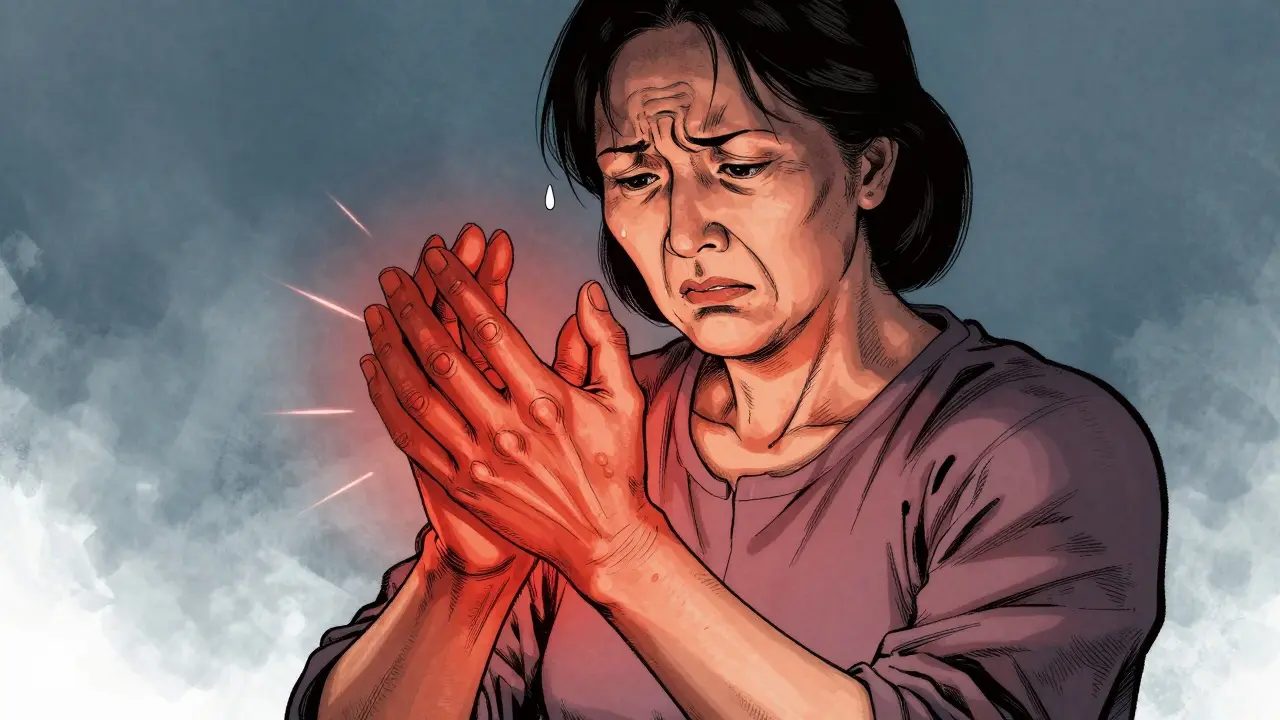
The body attacks the synovium, which is the lining around your joints. This creates inflammation that eats away at cartilage and eventually bone. Unlike the slow grind of osteoarthritis, this can strike quickly. Symptoms can escalate over weeks rather than years.
A key giveaway is symmetry. If your left wrist hurts, your right wrist probably does too. You often feel general fatigue before joint pain starts, along with low-grade fevers. Stiffness is severe in the morning and lasts much longer-often over an hour-because the inflammation has been building up while you slept.
This condition spares the very ends of your fingers (the DIP joints) more often, focusing instead on the middle joints of the hands and the wrists. Because it is systemic, meaning it affects the whole body, it can impact your lungs, heart, and eyes, not just your joints. Early intervention is critical here. If you leave it untreated, permanent joint deformity can happen within months.
| Feature | Osteoarthritis (OA) | Rheumatoid Arthritis (RA) |
|---|---|---|
| Primary Cause | Mechanical wear and tear | Autoimmune dysfunction |
| Morning Stiffness | Less than 30 mins | Over 60 mins |
| Joint Pattern | Asymmetric, weight-bearing joints | Symmetrical, small hand joints |
| Systemic Symptoms | No (localized) | Yes (fatigue, fever, organ involvement) |
| Key Diagnostic Test | X-rays showing space narrowing | Blood tests for RF and anti-CCP antibodies |
Other Forms You Should Know About
While the big two dominate conversations, there are other players in this game that look and feel different. Knowing about them helps if your symptoms don't quite fit the OA or RA mold.
Gout is a sharp, intense pain usually found in the big toe. It happens because uric acid crystals build up in the joint. It comes on sudden and fast, unlike the gradual onset of osteoarthritis. Diet often triggers it, particularly foods high in purines.
Psoriatic Arthritis connects to skin conditions. If you have psoriasis (silvery scales on your skin), you are at higher risk. This type often swells entire fingers, making them look like sausages. It tends to run in families more than others do.
Lupus is another autoimmune condition that mimics RA but involves a wider range of symptoms, including a distinctive butterfly rash across the cheeks. It requires blood tests to identify the specific antibodies involved.

Navigating Diagnosis and Treatment Paths
Figuring out which type you have is a process of elimination and evidence gathering. Doctors rarely guess. For suspected osteoarthritis, an X-ray is the gold standard. You will see gaps narrowing between bones or spikes forming where the bone tries to repair itself.
For rheumatoid arthritis, imaging isn't enough. They need to find the culprit antibodies in your blood. Tests like Rheumatoid Factor (RF) and Anti-CCP are specific markers for RA. Sometimes an ultrasound is needed to see early inflammation that hasn't shown up on bone scans yet.
Once diagnosed, the path splits significantly. Treating osteoarthritis focuses on managing symptoms and preserving function. Weight management is the first prescription. Physical therapy strengthens muscles to support the joint. Pain relief comes from NSAIDs or cortisone shots. In severe cases, joint replacement surgery is the definitive solution.
Treating rheumatoid arthritis is urgent. We cannot just manage pain; we must stop the attack. This involves Disease-Modifying Antirheumatic Drugs (DMARDs). Methotrexate is a common starting drug. It changes the course of the disease rather than just masking the pain. Biologics are newer, stronger options used when basic drugs fail. Getting treatment started in the first three months offers the best chance of remission.
Living Well with Joint Conditions
Regardless of the type, life doesn't have to stop. Adaptation is key. Using assistive devices like jar openers or ergonomic tools reduces strain. Heat helps loosen stiff muscles, while ice brings down acute inflammation.
Diet plays a role in both types. Anti-inflammatory foods like fatty fish, nuts, and leafy greens help reduce systemic swelling. Hydration keeps the cartilage lubricated. Smoking is a major trigger for worsening RA severity, so quitting is one of the highest-yield changes you can make.
Exercise remains vital, but it needs modification. Low-impact movement like swimming or cycling protects joints while keeping muscles strong. High-impact activities might work for OA depending on the stage, but generally need caution. Listening to your body prevents flare-ups from becoming setbacks.
Can osteoarthritis turn into rheumatoid arthritis?
No, they are distinct diseases. Having one does not cause the other, though you can theoretically develop both independently.
Is there a cure for either type?
There is no complete cure for osteoarthritis, but it can be managed. Rheumatoid arthritis has no cure but can go into remission with aggressive medication.
What age group is most affected by RA?
RA can start at any age, including children. However, it most commonly begins between ages 30 and 60.
Does losing weight help arthritis symptoms?
Losing weight significantly helps osteoarthritis pain by reducing joint load. It also helps RA by lowering overall inflammation levels.
When should I see a specialist for joint pain?
See a rheumatologist immediately if you have symmetrical joint swelling, prolonged morning stiffness, or unexplained fatigue alongside joint pain.


Most people ignore the mechanical difference until it is too late. Osteoarthritis is simply physics failing over time. Rheumatoid arthritis is biology malfunctioning internally. Confusing the two leads to inappropriate medication usage. Doctors prioritize imaging results before considering systemic symptoms. You need to pay attention to symmetry in swelling.