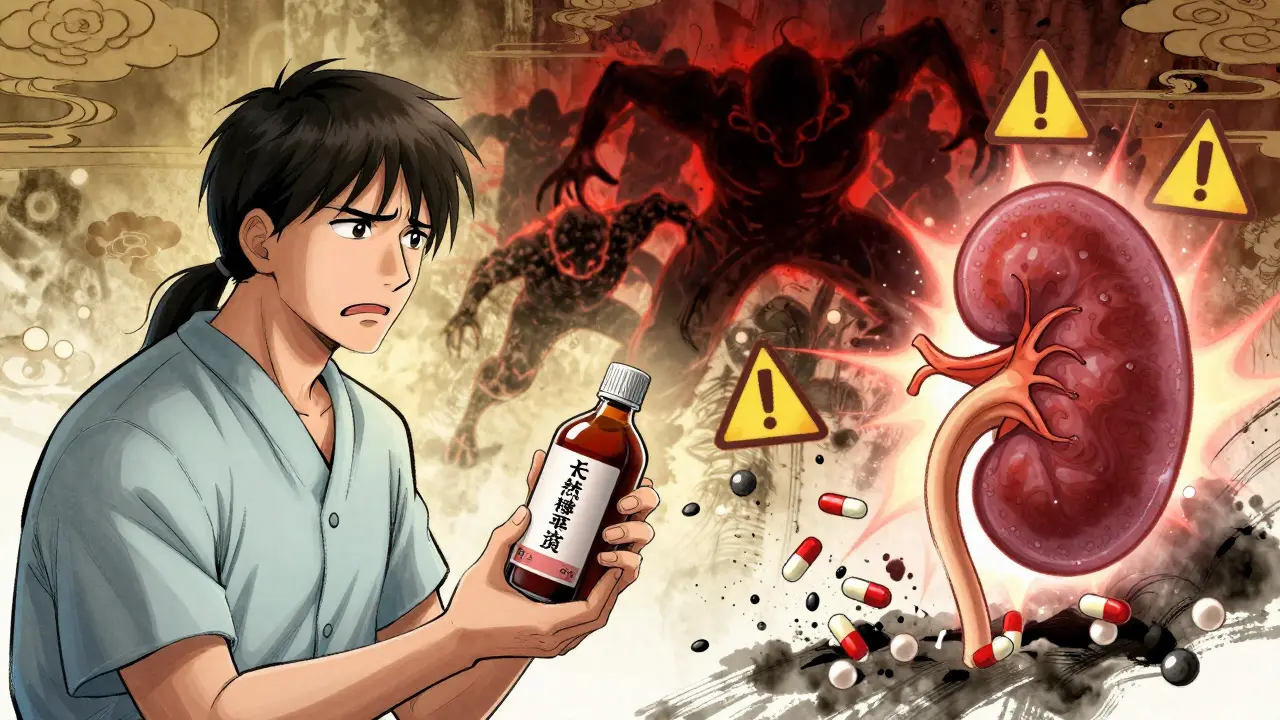
People take elderberry because it works. When you’re stuffed up, achy, and running a low-grade fever, a spoonful of elderberry syrup can make a real difference. Studies show it can cut the length of a cold by 3 to 4 days. But if you’re on immunosuppressants - whether because of a transplant, lupus, rheumatoid arthritis, or another autoimmune condition - that same supplement could be doing more harm than good.
Why Elderberry Can Be Dangerous With Immunosuppressants
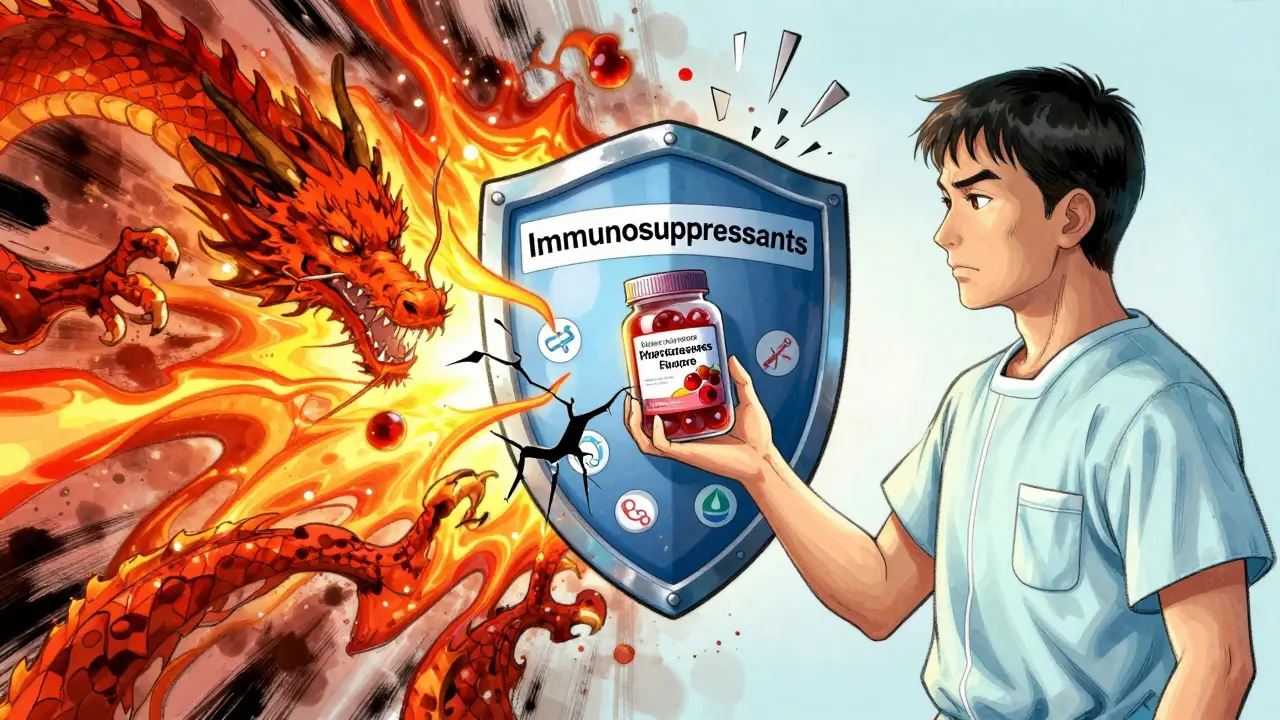
Elderberry isn’t just a mild herbal tea. It’s a powerful immune modulator. The active compounds - mainly anthocyanins and flavonols - trigger your immune cells to release cytokines like interleukin-6 and tumor necrosis factor-alpha. These are the same signals your body uses to fight off viruses. That’s great if you’re healthy. But if you’re on drugs like cylosporine, tacrolimus, or mycophenolate, your body is being forced to stay quiet. These medications are designed to turn down immune activity so your body doesn’t attack a transplanted organ or your own tissues.
Elderberry does the opposite. It turns the volume back up. This creates a direct conflict. A 2016 study in Nutrients found elderberry increased immune markers by up to 30% in lab tests. That’s not a small effect. For someone on immunosuppressants, even a modest boost can be dangerous. In real-world cases, patients have seen their drug levels drop, triggering rejection episodes or autoimmune flares. One kidney transplant patient reported a 25% drop in tacrolimus levels after just two weeks of daily elderberry syrup.
Which Immunosuppressants Are Most at Risk?
Not all immunosuppressants react the same way to elderberry. Some are far more vulnerable than others.
- Calcineurin inhibitors - cylosporine, tacrolimus - These are the most sensitive. They work by blocking a key immune pathway, and elderberry’s cytokine surge directly overrides that block. Transplant centers often warn patients to avoid elderberry entirely.
- Mycophenolate and azathioprine - These drugs slow down immune cell production. Elderberry doesn’t just stimulate - it floods the system with signals that tell immune cells to multiply. That’s a recipe for trouble.
- Corticosteroids - prednisone - While still risky, the interaction here is less predictable. Some patients report no issues, but doctors still advise caution.
- Biologics - infliximab (Remicade), adalimumab (Humira) - These target specific immune proteins. Elderberry’s broad cytokine stimulation can counteract their precision, leading to unpredictable flare-ups.
According to RxList (2023), these are the top 10 immunosuppressants with documented interaction risks. If your prescription is on this list, elderberry should be off your shopping list.
The Debate in the Medical Community
Not everyone agrees that elderberry is a threat. A 2021 study in PubMed (PMID: 33827515) claimed there’s no evidence elderberry "overstimulates" the immune system. But here’s the catch: that study looked at healthy people with colds - not transplant patients or those with active autoimmune disease.
The real-world data tells a different story. On Mayo Clinic Connect and Reddit’s r/Transplant forums, dozens of users share stories of rejection, flare-ups, and hospital visits linked to elderberry use. One liver transplant patient described a near-fatal rejection episode that started the week after he began taking elderberry syrup "to prevent a cold." Another patient with ulcerative colitis saw her Remicade stop working after she started using elderberry supplements.
Meanwhile, some patients say they’ve taken elderberry for years with no problems. But anecdotal reports don’t replace clinical monitoring. Blood tests for drug levels, immune markers, and disease activity are the only reliable way to know if elderberry is safe for you. And most people aren’t getting those tests regularly.
What Do Experts Actually Recommend?
Here’s the bottom line from top medical sources:
- Organ transplant recipients - Avoid elderberry completely. The risk of rejection is too high. Sweet’s Elderberry Safety Guide (2023) and transplant guidelines from the American Society of Transplantation both say: "No exceptions."
- Autoimmune disease patients - It depends. If your disease is in remission and you’re on low-dose steroids, some rheumatologists may allow occasional use. But if you’re on mycophenolate, azathioprine, or biologics - especially with active symptoms - skip it. The Arthritis Foundation’s 2023 guidelines are clear: "Avoid elderberry if you have lupus, rheumatoid arthritis, multiple sclerosis, or Hashimoto’s thyroiditis."
- Doctors’ advice - Most specialists (78% of surveyed rheumatologists, per a 2022 survey) recommend vitamin D instead. It supports immune health without triggering cytokine storms.
There’s no "safe" dose of elderberry for immunosuppressed people. Even small amounts - like 50mg in a gummy - can have measurable effects. The 2016 air traveler study showed immune changes at doses as low as 150mg taken three times daily. Most commercial syrups contain 300-500mg per serving.
What Should You Do?
If you’re on immunosuppressants and you’re considering elderberry:
- Stop. Don’t start. If you’re not already taking it, don’t begin.
- Talk to your doctor. Bring up every supplement you’re taking - even if you think it’s "just herbal." Your pharmacist might not even know about the interaction.
- Check your bloodwork. If you’ve taken elderberry recently, ask for a drug level test. For tacrolimus or cyclosporine users, even a 10-15% drop can mean trouble.
- Find safer alternatives. Vitamin D, zinc (in moderation), and good sleep are proven immune supporters with no known interactions.
- Read labels. Elderberry is hiding in teas, gummies, lozenges, and even some cold remedies. Look for "Sambucus nigra" on the ingredient list.
There’s no gray area if you’ve had a transplant. For autoimmune patients, the risk isn’t theoretical - it’s documented. One bad interaction can mean months in the hospital, a failed transplant, or permanent organ damage.
The Bigger Picture
The elderberry market is booming. It’s projected to hit $2.14 billion by 2028. But with over 14 million Americans using it each year - and 3.1 million on immunosuppressants - the potential for harm is real. The FDA doesn’t require supplement manufacturers to test for drug interactions. The European Medicines Agency issued a safety warning in 2021. The U.S. hasn’t.
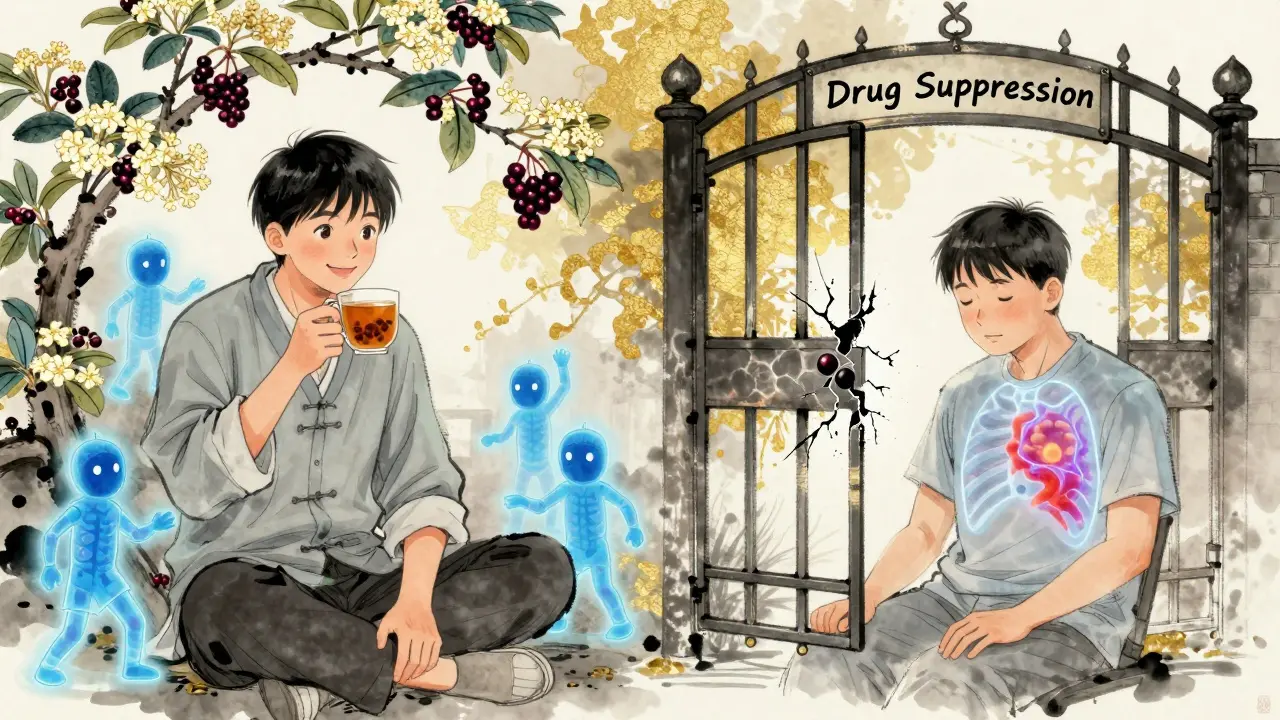
That’s why you can’t rely on labels or marketing claims. Your health is too important for that. The science is clear: elderberry activates the immune system. Immunosuppressants suppress it. You can’t have both.
Can I take elderberry if I’m on low-dose prednisone?
Even low-dose prednisone still suppresses your immune system. Elderberry’s cytokine-stimulating effects can interfere with that suppression. While some patients report no issues, there’s no reliable way to predict how your body will react. Most specialists recommend avoiding elderberry entirely, regardless of the dose. Safer alternatives like vitamin D are preferred.
What happens if I accidentally take elderberry while on immunosuppressants?
If you take elderberry once, the risk of immediate harm is low - but not zero. The bigger danger is repeated use. Elderberry’s effects build up over time. If you’ve taken it for days or weeks, your drug levels may have dropped, increasing your risk of rejection or flare-up. Contact your doctor right away. They may order a blood test to check your medication levels and look for signs of immune activation.
Is elderberry tea safer than syrup?
No. Even homemade elderberry tea contains enough active compounds to trigger immune responses. The concentration may be lower than in syrup, but the risk remains. If you’re on immunosuppressants, all forms of elderberry - tea, juice, capsules, gummies - should be avoided. There’s no safe form for this group.
Are there any studies proving elderberry causes transplant rejection?
Large-scale clinical trials haven’t been done yet, but the evidence is strong from real-world cases and biological mechanisms. A Phase II trial (NCT05213456) is currently studying elderberry’s effect on tacrolimus levels in kidney transplant patients, with results expected in late 2024. Meanwhile, multiple documented cases of rejection following elderberry use have been reported in medical journals and patient forums. The risk is considered moderate to high by leading health organizations.
Can I take elderberry after my transplant if I stop the immunosuppressants?
No. Transplant patients typically stay on immunosuppressants for life. Even if you feel fine, stopping your medication can lead to organ rejection. You should never stop immunosuppressants without your doctor’s direction. If you’re considering elderberry, that’s a sign you need to talk to your transplant team - not self-manage your immune health.
Final Thought
Elderberry isn’t the enemy. For healthy people, it’s a helpful tool. But for those on immunosuppressants, it’s a wildcard. The immune system isn’t something you can tweak with a supplement and hope for the best. It’s a delicate balance - and elderberry throws it off. When in doubt, skip it. Your future self will thank you.


Bro this is why I stopped taking elderberry after my transplant. One day I was fine, next day my tacrolimus levels dropped like a rock. Hospital for a week. Don't be that guy. 🚫🍒