Side Effect Frequency Calculator
What is the frequency of your side effect?
This tool helps you translate your experience into medical terminology to better communicate with your doctor.
Your Side Effect Frequency
Why this matters
When your doctor says "common side effects," they're typically referring to effects experienced by about 1 in 10 people. But patients often don't know this. This tool helps you ask the right questions.
Understanding frequency helps you gauge:
- What is actually "common" vs. "rare"
- How to communicate effectively with your doctor
- What you should expect and when to be concerned
Key Insights
The Nocebo Effect
Studies show that when patients are told about side effects, they report them 26-40% more often than those who aren't informed. Knowing the frequency helps you avoid unnecessary anxiety.
Remember: The goal is to get the right information—not too little, not too much. The right frequency helps you stay informed without increasing anxiety.
"How often do people like me experience this side effect?"
When you start a new medication, your doctor might say, "Common side effects include headache and dizziness." But what does "common" actually mean? One in ten? One in a hundred? If you don’t know, you’re not alone. Most patients hear vague warnings and later stop taking their medicine-not because it doesn’t work, but because they weren’t told what to expect.
Why Side Effect Communication Matters More Than You Think
Nearly 50% of people with chronic conditions don’t take their meds as prescribed. And a big reason? Unexpected side effects. In fact, 68% of patients quit their medication because they weren’t warned about how it would make them feel. That’s not just about discomfort-it’s about risk. Stopping blood pressure pills, diabetes meds, or antidepressants without talking to your provider can lead to hospital visits, heart attacks, or worse. The problem isn’t that doctors are hiding information. It’s that most don’t know how to talk about side effects in a way that helps. Studies show doctors mention only about 3.2 side effects per drug, even though each medication has 15 to 25 possible reactions listed in the data. And when they do talk, they often use vague terms like "some people" or "rarely." Patients hear that and think: "Is that me?"What Patients Really Want to Know
A 2023 study found that 49% of patients want to hear about both common and serious side effects. Another 26% only want to know about dangerous ones. And 17% just want to know what’s likely to happen-not what could kill you. There’s no one-size-fits-all answer. That’s why asking the right question upfront makes all the difference. Instead of waiting for your doctor to lead, try this: "How much do you think I should know about possible side effects?" Some people want all the details. Others feel overwhelmed. Your preference matters. And good providers will adjust.What to Ask During Your Appointment
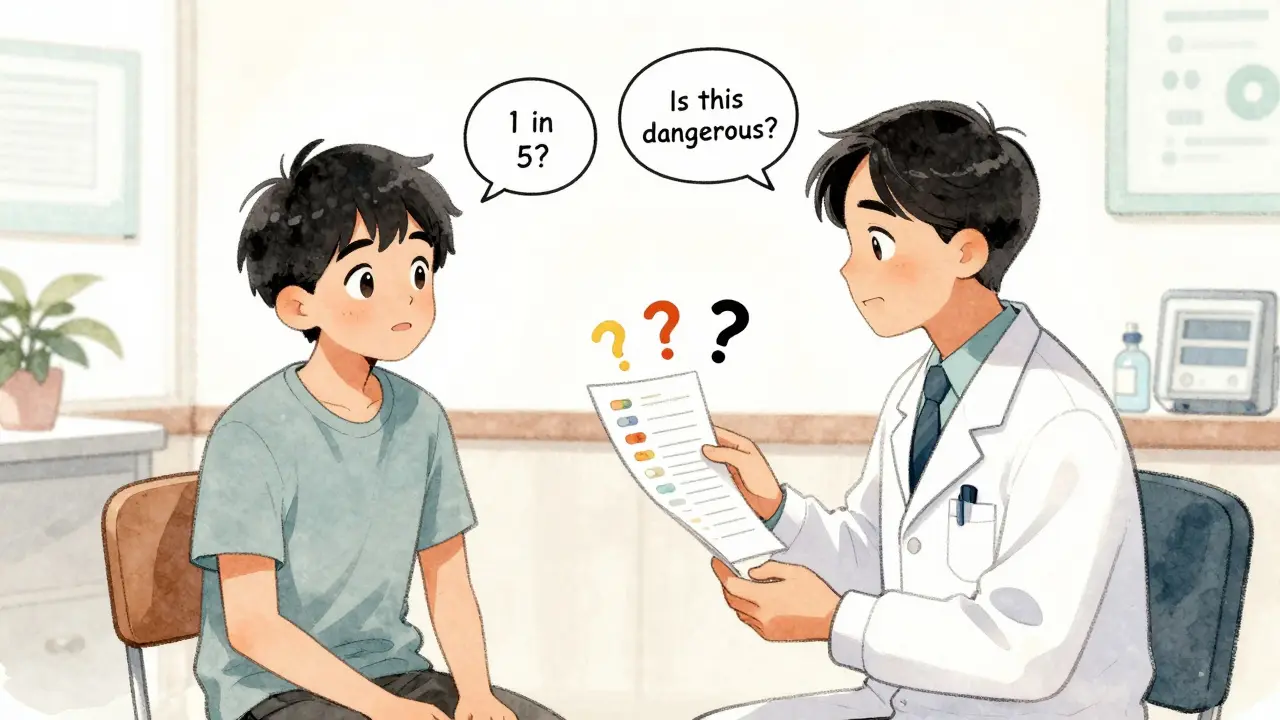
Don’t just accept "headache and dizziness" as an answer. Push for specifics. Here’s what to ask:- How common is this? Ask for numbers: "Is this something 1 in 5 people get? 1 in 100?"
- How serious is it? Is this a mild annoyance, or could it mean something dangerous? Don’t assume "dizziness" is harmless-especially if you’re older or on multiple meds.
- What can I do if it happens? Can you take it with food? Should you call right away? Is there a way to reduce it?
- What happens if I stop taking it? Sometimes the side effect is worse than the condition. Know the trade-off.
- Are there alternatives? If this one causes nausea every day, is there another pill with fewer stomach issues?
The Nocebo Effect: When Talking About Side Effects Makes Them Happen
Here’s the twist: the more you hear about side effects, the more likely you are to feel them-even if they wouldn’t have happened otherwise. This is called the nocebo effect. Studies show that when patients are told about side effects, they report them 26% to 40% more often than those who aren’t. That doesn’t mean you should stay silent. It means you need the right kind of information. A 2023 study found that when doctors use a risk-stratified approach-focusing only on common and serious side effects-patients feel less anxious and are more likely to stick with the treatment. Talking about every tiny possibility? That increases worry without helping adherence. The key is balance. Don’t scare people. Don’t sugarcoat. Give them the facts they can use.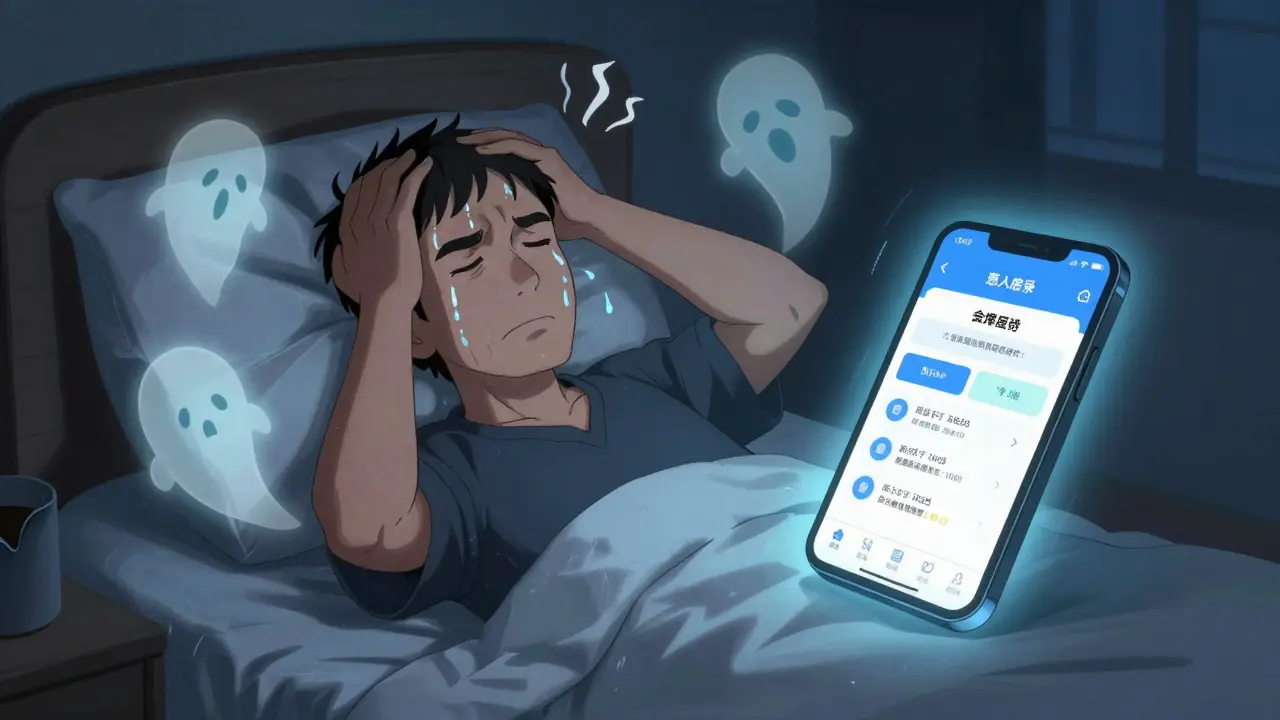
How to Prepare Before Your Visit
If you’re on multiple medications, your appointment might be rushed. You’ve got 15 minutes to cover blood pressure, diabetes, cholesterol, and joint pain. That leaves little room for side effect talk. Here’s how to make the most of it:- Write down your symptoms. Not just "I feel weird." Be specific: "I’ve had headaches every morning for three days since I started the new pill."
- Bring your meds. Or a list. Include doses and how often you take them. Many patients forget half their meds when asked.
- Ask for a handout. Ask if there’s a printed guide or link to a reliable source. Many clinics now use digital tools that send side effect info to your phone after the visit.
- Use your pharmacist. Over half of patients say they prefer getting side effect info from both their doctor and pharmacist. Pharmacists often have more time to explain.
What Good Communication Looks Like
Good side effect communication isn’t just about listing risks. It’s a conversation. Here’s the pattern that works:- Ask: "How much do you want to know about side effects?"
- Tell: "This happens in about 1 out of 4 people. It’s usually mild and goes away in a few days. If it lasts more than a week or gets worse, call us. Try taking it with food-it helps most people."
- Plan: "What would you do if you felt this? Would you call? Wait? Try something else?"
What to Do If You’ve Already Stopped Your Medication
If you’ve quit a drug because of side effects you didn’t expect, don’t feel guilty. You’re not alone. But don’t stay off it without talking to your provider. Say this: "I stopped taking [medication] because I had [symptom]. I didn’t know that was possible. Can we talk about whether it’s safe to try again-or if there’s another option?" Doctors are trained to respond to this without judgment. In fact, the American Medical Association recommends this exact phrase: "Thank you for letting us know you’re not taking your meds as prescribed. Can we talk through this together?" That’s the kind of response that rebuilds trust. And trust is what keeps people alive.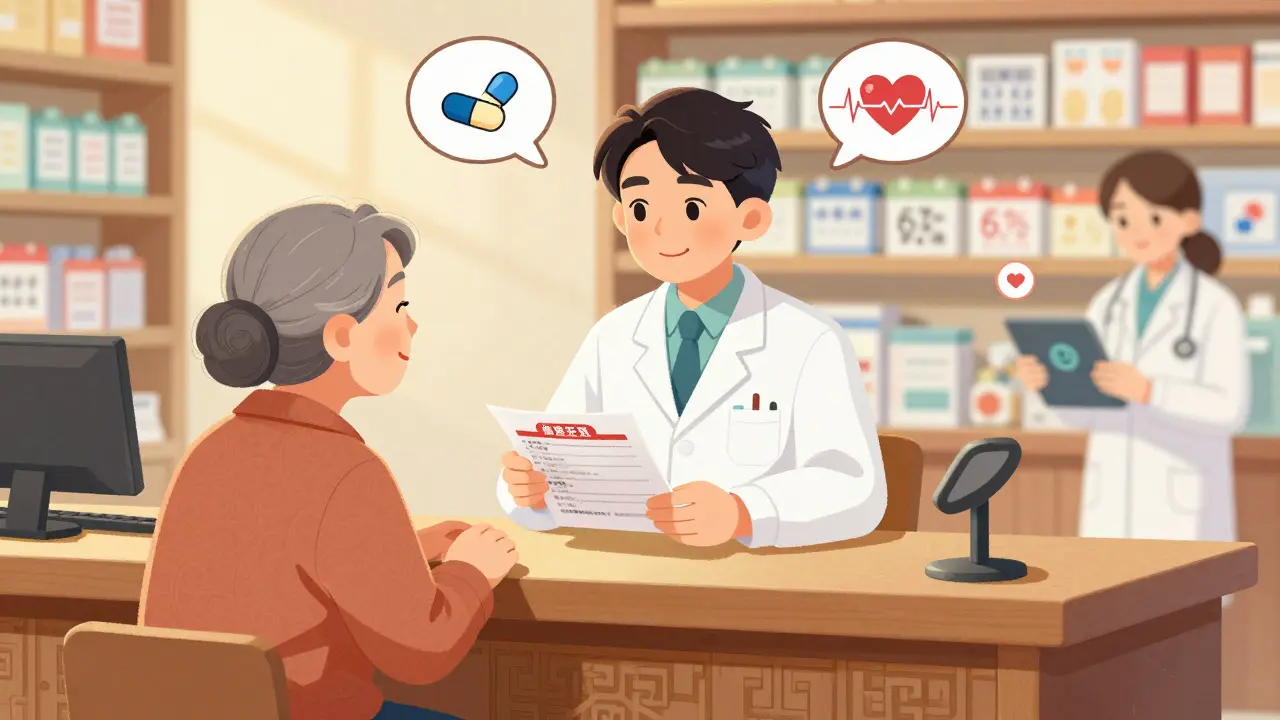
Technology Is Helping-But Only If You Use It
Many clinics now use electronic tools that auto-send side effect info after your visit. Some apps even let you log symptoms and get alerts if your reactions match others on the same drug. One AI tool, used by over a million people, predicts your personal risk of side effects with 76% accuracy based on age, gender, other meds, and past reactions. But these tools only work if you sign up. If your clinic offers a patient portal or app, ask how to use it. If they don’t, ask why. You’re not being pushy-you’re being smart.Why This Matters for Older Adults
People over 65 take an average of 4.8 prescription medications. That’s a lot of potential interactions. A side effect that’s mild on one drug becomes dangerous when combined with another. Dizziness might lead to a fall. Nausea might lead to dehydration. Fatigue might lead to missed appointments. The more meds you take, the more you need to talk about side effects-not just once, but every time something changes. That’s why regular med reviews with your doctor or pharmacist are essential. Ask for one every six months. If you’re on new meds, ask for one sooner.Final Thought: You Have the Right to Be Informed
You’re not asking too much. You’re asking what you deserve. Medications are powerful tools. But they’re not magic. They come with trade-offs. And you have the right to understand them clearly-before you start, not after you feel awful. The goal isn’t to scare you. It’s to empower you. To help you stay on your meds-not because you’re told to, but because you understand why, and how to manage what comes with it.What if my doctor says side effects are "rare" but I still got them?
"Rare" in medical terms usually means 1 in 1,000 or less. But if you’re the one affected, it doesn’t matter what the numbers say-you’re experiencing it. Tell your doctor. It might mean your body reacts differently, or you’re on a drug interaction. Your experience is valid and needs to be documented. That’s how doctors learn what works for real people, not just studies.
Can I ask for a different medication if side effects are too much?
Absolutely. There are often multiple drugs for the same condition. Some have fewer side effects, different timing, or work better with your other meds. Say: "This side effect is making it hard for me to stick with this pill. Are there other options?" Your doctor isn’t limited to one choice. They just need you to speak up.
How do I know if a side effect is serious enough to call my doctor?
If it’s new, unexpected, and lasts more than a few days-or if it’s something like chest pain, trouble breathing, swelling, severe rash, confusion, or extreme dizziness-call right away. For less clear symptoms, ask your doctor ahead of time: "When should I call versus wait?" Write that down. It removes guesswork when you’re feeling unwell.
Is it normal to feel anxious after hearing about side effects?
Yes. It’s normal to feel worried. But if that anxiety stops you from taking your medicine, it’s a sign you need better communication-not less. Ask for a follow-up, ask for a handout, ask to talk to the pharmacist. You don’t have to manage this alone.
What if my doctor won’t take my side effects seriously?
If your concerns are dismissed repeatedly, it’s time to find another provider. Your health isn’t negotiable. A good doctor listens, asks questions, and works with you-not over you. You have the right to care that respects your experience. Don’t settle for silence when you’re in pain.


so i stopped my antidepressants because i got this weird buzzing in my head and no one told me that could happen. now i feel like a dumbass but also like the system failed me. why do they act like side effects are some secret club you gotta earn the password to join?