
Imagine the panic of realizing your toddler just took two different medicines that both contain the same drug. It happens more often than you'd think. In fact, research in Pediatrics shows that about 21% of parents have made a significant dosing error involving accidental doubling. When we talk about double dosing in children, we're describing a scenario where a child gets two doses of the same medication or two different products with the same active ingredient within a short window. Because children's bodies process medicine based on their weight, even a small overlap can turn a helpful treatment into a dangerous overdose.
The core of the problem usually lies in "multi-symptom" formulas. You might give your child a fever reducer and then a cough syrup, not realizing that both contain the same active ingredient. For kids under five, the risk is even higher because their metabolic systems are still developing and liquid measurements are notoriously tricky. Let's look at how to keep your medicine cabinet safe and your kids healthy.
The Hidden Danger of Multi-Symptom Medications
Many parents reach for the "all-in-one" cold and flu syrups because they seem convenient. However, these products are often the primary culprits in double dosing. For example, Acetaminophen is a common pain reliever and fever reducer (also known as paracetamol) . It is found in everything from Tylenol to NyQuil and Theraflu. If you give a child a dose of liquid acetaminophen and then a dose of a multi-symptom cold medicine, they've effectively doubled their dose.
The danger is real. According to the U.S. National Poison Data System, acetaminophen overdose accounts for 45% of all acute liver failure cases in children under six. The "therapeutic window"-the gap between a dose that helps and a dose that harms-is very narrow. In infants, just a 10% overdose can significantly increase the risk of adverse reactions.
| Active Ingredient | Common Found-In Products | Primary Risk of Double Dose | Danger Level |
|---|---|---|---|
| Acetaminophen | Tylenol, NyQuil, Theraflu | Acute liver damage | High |
| Ibuprofen | Advil, Motrin | Stomach irritation, kidney stress | Moderate |
| Diphenhydramine | Benadryl, some cough syrups | Severe drowsiness, respiratory depression | Moderate |
| Methylphenidate | Ritalin, ADHD medications | High blood pressure, tachycardia | Very High |
Why "Weight-Based" Dosing Makes Precision Critical
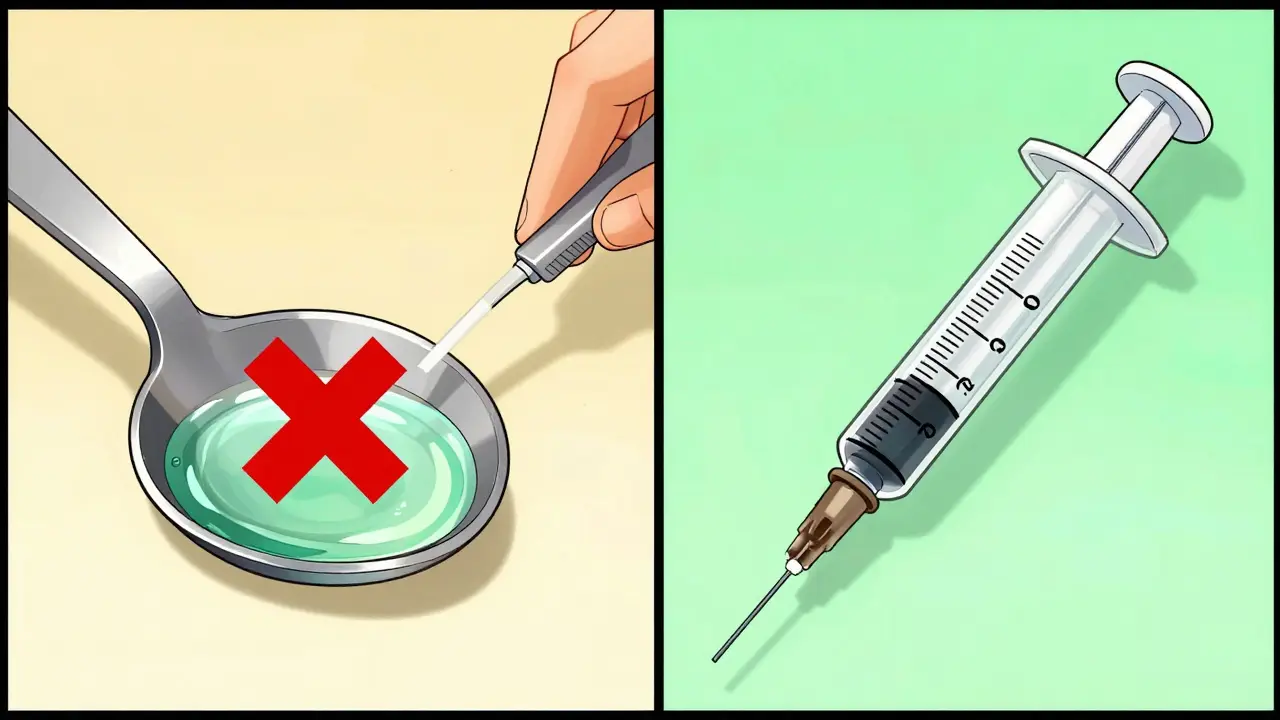
Adults can usually get away with a slightly off dose of a headache pill, but children can't. Pediatric dosing is calculated by weight (mg/kg). This means the margin for error is tiny. A common mistake is using a household kitchen spoon. The FDA warns against this because household spoons vary by up to 200% in volume; one "teaspoon" might hold 2.5ml while another holds 7.5ml. This can lead to accidental triple dosing without the parent even realizing it.
This precision is even more critical for specialized medications. For kids with ADHD, doubling a dose of Methylphenidate (found in Ritalin) can spike a child's heart rate by 20-30 beats per minute in just half an hour. Similarly, medications like Insulin require extreme accuracy; research from the International Society for Pediatric and Adolescent Diabetes shows that even a 20% overdose can trigger hypoglycemia in 85% of pediatric patients.
How to Read Labels Like a Pro
The best way to prevent these errors is the "ingredient first" approach. Instead of looking at the brand name or the flavor, look specifically for the Active Ingredients section on the Drug Facts label. This is where the medicine lists exactly what is in the bottle and in what concentration.
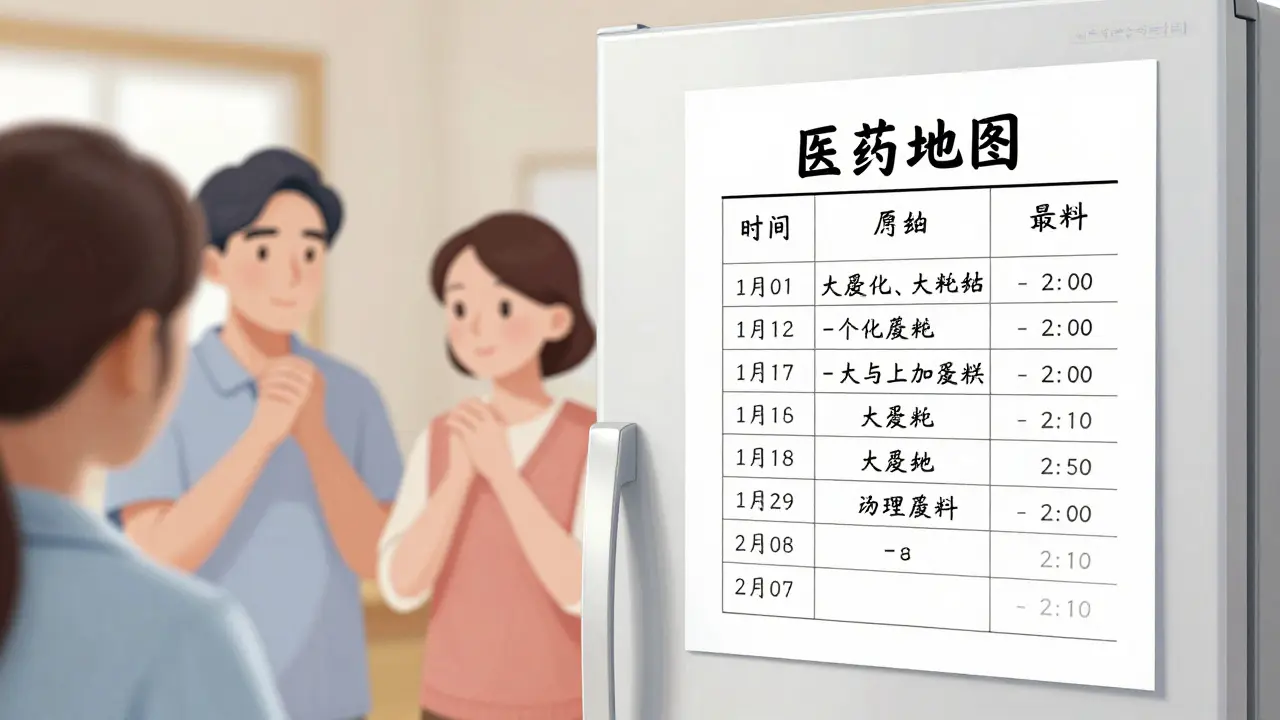
Be aware that some ingredients have multiple names. Acetaminophen might be listed as paracetamol or APAP. If you see any of those, you know it's the same drug. A great rule of thumb is to create a "medication map"-a simple list on your fridge or in a notebook that lists every OTC medicine in your house and its active ingredients. This removes the guesswork when you're tired and stressed during a midnight fever spike.
Practical Strategies to Prevent Dosing Errors
If you have multiple caregivers-like a spouse, grandparent, or nanny-communication is where things usually break down. About 38% of double dosing incidents happen because of a simple lack of communication. One parent gives the medicine, and the other, unaware, gives it again an hour later.
To stop this, try these practical steps:
- The Single-Caregiver Rule: If possible, designate one person to be the "medication lead" for that day. They are the only ones who administer and log the doses.
- Use a Medication Checklist: Don't rely on memory. Write down the active ingredient, the exact dose given, and the time. A simple log like "2:00 PM - Acetaminophen - 5ml" is a lifesaver.
- Stick to the Included Tool: Only use the syringe or cup that came with that specific bottle. Never swap them between different medications.
- Avoid "Alternating" Without Expert Advice: Some parents alternate ibuprofen and acetaminophen to keep a fever down. However, the American Academy of Family Physicians notes that for children under 3, this practice can actually increase the risk of double dosing by 47%.
When to Call for Help
If you suspect your child has received a double dose, don't wait for symptoms to appear. Some overdoses, especially with acetaminophen, don't show obvious signs until liver damage has already begun. Contact the Poison Control Center immediately (1-800-222-1222 in the US) or head to the emergency room.
Be prepared to tell the medical team:
- The exact names of all medications given.
- The dosage of each.
- The time each dose was administered.
- The child's current weight.
Can I give my child a cold medicine if they already had Tylenol?
Only if the cold medicine does NOT contain acetaminophen. Many multi-symptom cold medicines include it. Check the "Active Ingredients" list on the label first. If it lists acetaminophen or paracetamol, do not give it if they have already had Tylenol.
Why can't I use a regular kitchen spoon for liquid medicine?
Kitchen spoons are not standardized measuring tools. They can vary by as much as 200% in volume. Using one can lead to giving your child far too much or too little medication. Always use the oral syringe or dosing cup provided with the medicine.
What is the safest way to track multiple medications?
A written medication log is the gold standard. Record the active ingredient, the dose, and the time. Digital tools like Medisafe can also help, but a physical chart on the fridge is often the most reliable way to ensure all caregivers are on the same page.
Are "natural" or "homeopathic" remedies safe to combine?
Not necessarily. Some natural remedies contain active ingredients that can interact with prescription drugs or other OTC medicines. Always check the labels and consult your pediatrician before combining any treatments.
What should I do if I realize I've double-dosed my child?
Stay calm and call Poison Control or your pediatrician immediately. Have the medication bottle in your hand so you can read the exact ingredients and strengths to the professional. Do not induce vomiting unless specifically told to do so by a medical expert.


Adding to this, if you're using a dosing syringe, always double check the markings at eye level. It's super easy to misread the line when you're exhausted and trying to keep a screaming kid still. Also, a pro tip is to keep a dedicated photo of the medication log on your phone so you can coordinate with your partner even if you're not in the same room!