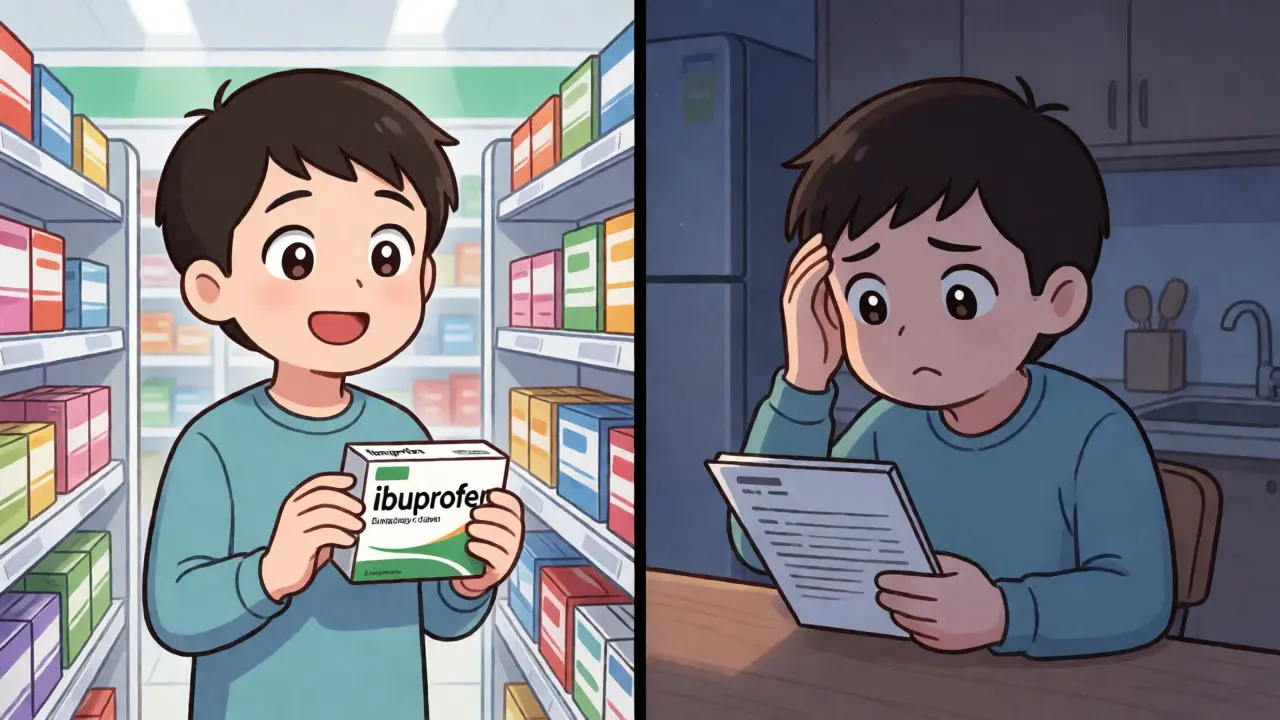
You’re standing in the pharmacy aisle, holding a box of ibuprofen in one hand and staring at the prescription pad on your counter. It’s 2 AM, you’ve got a headache that won’t quit, and you’re wondering if this is a "take two aspirin" situation or a "call the doctor" emergency. This dilemma hits almost everyone eventually. The line between Over-the-Counter (OTC) medications and prescription drugs can feel blurry, especially when both seem to treat similar symptoms like pain, allergies, or heartburn.
Here’s the reality: choosing wrong isn’t just about wasting money. It’s about effectiveness and safety. OTC meds are designed for minor, self-diagnosable issues where you know what’s wrong. Prescription meds handle complex conditions requiring professional oversight. But how do you know which bucket your symptom falls into? Let’s break down the logic so you stop guessing and start treating effectively.
The Core Difference: Autonomy vs. Oversight
The biggest distinction isn’t just where you buy the pill-it’s who decides you need it. Prescription medications require a healthcare provider’s order because they often carry higher risks, stronger side effects, or require monitoring. Think of them as tools that need a trained operator. In contrast, OTC medications have passed rigorous safety reviews by agencies like the FDA to prove they’re safe for everyday people to use without supervision.
This regulatory split dates back decades. The 1951 Durham-Humphrey Amendment formally created the prescription category in the US, separating drugs that could be dangerous if misused from those safe enough for self-care. Today, there are roughly 800 active OTC ingredients available in over 100,000 products. Compare that to over 20,000 prescription drug products, and you see why choice matters. You aren’t just picking a brand; you’re picking a level of medical intervention.
When OTC Is Your Best Bet
Use OTC options when the problem is obvious, mild, and short-term. If you stubbed your toe yesterday and it still hurts, or if seasonal pollen has you sneezing, OTC is likely sufficient. These conditions are easy to self-diagnose. You don’t need blood tests to know you have a tension headache or a runny nose.
- Mild Pain: Acetaminophen (Tylenol), Ibuprofen (Advil/Motrin), or Naproxen (Aleve) work well for headaches, muscle strains, or menstrual cramps.
- Allergies: Antihistamines like Cetirizine (Zyrtec), Loratadine (Claritin), or Fexofenadine (Allegra) manage sneezing and itching effectively.
- Digestive Upset: Acid reducers like Famotidine (Pepcid) or antacids (Tums) handle occasional heartburn.
- Cold Symptoms: Decongestants and cough suppressants provide temporary relief while your body fights off a virus.
A key rule of thumb: if symptoms appear gradually and stay mild to moderate, OTC is usually fine. Dr. Jessica Ailani, director of the MedStar Georgetown Headache Center, notes that OTC analgesics work best for gradual-onset symptoms. If you wake up with a dull ache, grab the ibuprofen. If you’re hit by a sudden, blinding migraine, you might need something stronger.
When You Need a Prescription
Switch to prescription care when symptoms are severe, persistent, or unclear. Prescription meds often contain higher concentrations of active ingredients. For example, hydrocortisone cream is 1% OTC but can be prescribed at 2.5% for stubborn skin rashes. Similarly, some heartburn meds come in 75mg OTC doses versus 150mg or 300mg prescription strengths.
You need a doctor if:
- Symptoms persist: If a cold lasts more than 10 days, or heartburn doesn’t improve after two weeks of OTC treatment, it might be GERD or an infection.
- Diagnosis is uncertain: Chest pain could be heartburn or a heart attack. Only a professional can tell.
- Conditions are chronic: Hypertension, diabetes, and asthma require ongoing management and monitoring that OTCs can’t provide.
- OTCs fail: If you’ve tried standard OTC options at the recommended dose and nothing changes, escalate.
Consider migraines. While Excedrin (acetaminophen-aspirin-caffeine) helps many people, those with frequent or severe migraines often need triptans like Sumatriptan. Triptans target specific brain pathways involved in migraines, offering relief that general painkillers can’t match.
Comparing Costs and Accessibility
People often assume prescriptions are always expensive and OTCs are cheap. That’s not always true. Insurance coverage plays a huge role. Medicare Part D or private insurance might cover a prescription generic for $5 copay, while the same drug bought OTC costs $15. Conversely, store-brand generics like ibuprofen cost pennies per pill compared to brand-name Advil.
| Condition | Typical OTC Option | Typical Prescription Option | Key Difference |
|---|---|---|---|
| Allergies | Cetirizine (Zyrtec) | Montelukast (Singulair) | OTC works faster (1 hour); Rx takes days but may help asthma-linked allergies. |
| Heartburn | Famotidine (Pepcid) | Omeprazole (Prilosec) Rx strength | Rx offers higher potency for chronic acid reflux. |
| Migraine | Ibuprofen / Excedrin | Triptans (e.g., Sumatriptan) | Rx targets migraine mechanisms specifically; better for severe attacks. |
| Acne | Adapalene (Differin) | Tretinoin / Oral Antibiotics | Rx formulations are stronger and address deeper inflammation. |
Also, consider convenience. OTCs are everywhere-supermarkets, gas stations, airports. Prescriptions require a visit to a clinic and a trip to a licensed pharmacy. If you’re traveling or have a busy schedule, the accessibility of OTCs is a genuine advantage for minor issues.
The "Rx-to-OTC" Switch: Why Some Drugs Move Categories
It’s confusing when a drug you used to get by prescription is suddenly on the shelf next to the gum. This is the "Rx-to-OTC switch." After years of safe use under medical supervision, regulators determine a drug is safe enough for self-care. Examples include Allegra (fexofenadine) for allergies and Nexium (esomeprazole) for heartburn.
However, just because it’s OTC now doesn’t mean it’s identical to the old prescription version. Dosages might differ, or packaging warnings might change. Always read the label carefully. Just because you tolerated the prescription form doesn’t guarantee the OTC form will work the same way for your specific case.
Common Pitfalls to Avoid
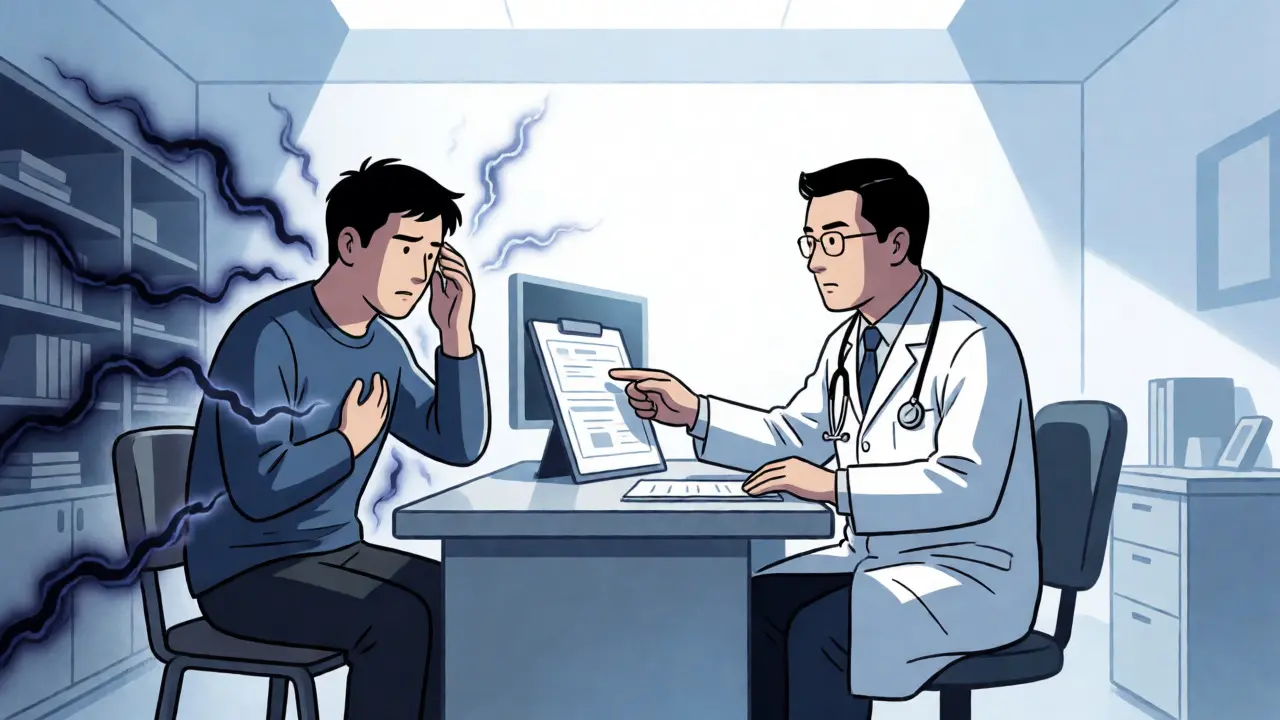
Self-medicating comes with risks. The biggest one is masking a serious condition. Taking strong painkillers for chronic abdominal pain might hide appendicitis or ulcers until they become emergencies. Another trap is exceeding dosage limits. People take extra Tylenol for a bad headache, forgetting that acetaminophen is also in cold medicines. Double-dosing can lead to liver damage.
Pharmacists are your secret weapon here. They aren’t just cashiers. Eighty-nine percent of community pharmacists counsel patients on medication choices. Ask them: "Is this strong enough for my symptoms?" or "Can I take this with my other meds?" They can spot interactions you’d miss.
Final Thoughts: Trust Your Gut, Verify with Data
There’s no shame in starting with OTC for minor issues. It empowers you to manage your health efficiently. But respect the limits. If symptoms worsen, last too long, or scare you, seek professional help. The goal isn’t to avoid doctors; it’s to use the right tool for the job. Whether you’re reaching for the medicine cabinet or making an appointment, informed choices keep you safer and healthier.
Can I switch from a prescription medication to its OTC equivalent?
Not always without consulting your doctor. While the active ingredient might be the same, dosages, release mechanisms, and inactive ingredients can differ. Additionally, stopping a prescription abruptly can have withdrawal effects or cause a rebound of symptoms. Always check with your prescriber before making the switch.
Are OTC medications less effective than prescription drugs?
For their intended purpose, no. OTC medications are proven effective for mild to moderate symptoms. However, prescription drugs often offer higher potency or target specific biological pathways that OTCs cannot. For severe or chronic conditions, prescriptions are generally more effective.
How long should I try an OTC medication before seeing a doctor?
A common guideline is 7 to 10 days for most minor ailments like colds or mild pain. If symptoms persist beyond this period, worsen, or interfere with daily life, consult a healthcare provider. Immediate attention is needed for severe pain, high fever, or unusual symptoms.
Do insurance plans cover OTC medications?
Generally, no. Most health insurance plans do not cover OTC purchases unless they are prescribed by a doctor and dispensed through a pharmacy network. Some flexible spending accounts (FSAs) or health savings accounts (HSAs) may allow reimbursement for certain OTC items, depending on current regulations.
What is the risk of mixing OTC and prescription medications?
Interactions can occur between any substances, including food and supplements. For example, NSAIDs (like ibuprofen) can interact with blood thinners or blood pressure medications. Always inform your pharmacist and doctor about all OTC products you are taking to prevent adverse reactions.