
Antihistamine & Alcohol Interaction Checker
The core problem is that both substances slow down your brain activity. This synergy can lead to a level of impairment far beyond what you'd feel from just a few drinks. In fact, the National Institute on Alcohol Abuse and Alcoholism reports that this combination can boost drowsiness side effects by up to 300%. For the millions of people managing allergies, understanding which medications are the biggest culprits can be the difference between a quiet evening and a trip to the emergency room.
The Generational Divide: Not All Allergy Pills are Equal
To understand the risk, you first need to know that antihistamines are split into two main generations. The first generation, like diphenhydramine (commonly known as Benadryl), was developed in the 1940s. These older drugs are small enough to cross the blood-brain barrier easily, meaning they enter your brain and block H1 receptors, which triggers heavy sedation. In about 50% of users, these cause drowsiness even without alcohol.
Then we have second-generation options, such as loratadine (Claritin) and cetirizine (Zyrtec). These were engineered in the 90s to be "non-drowsy" by making the molecules too bulky to easily enter the brain. While they are much safer on their own, alcohol can "open the door," increasing the rate of drowsiness for Zyrtec users from about 15-20% to as high as 45% when mixed with drinks.
| Medication | Drowsiness (Alone) | Drowsiness (With Alcohol) | Sedation Level |
|---|---|---|---|
| Diphenhydramine (Benadryl) | ~50% | 50-60% (Severe) | Very High |
| Cetirizine (Zyrtec) | 15-20% | 40-45% | Moderate |
| Loratadine (Claritin) | 10-15% | 30-35% | Low to Moderate |
How Your Brain and Liver React to the Mix
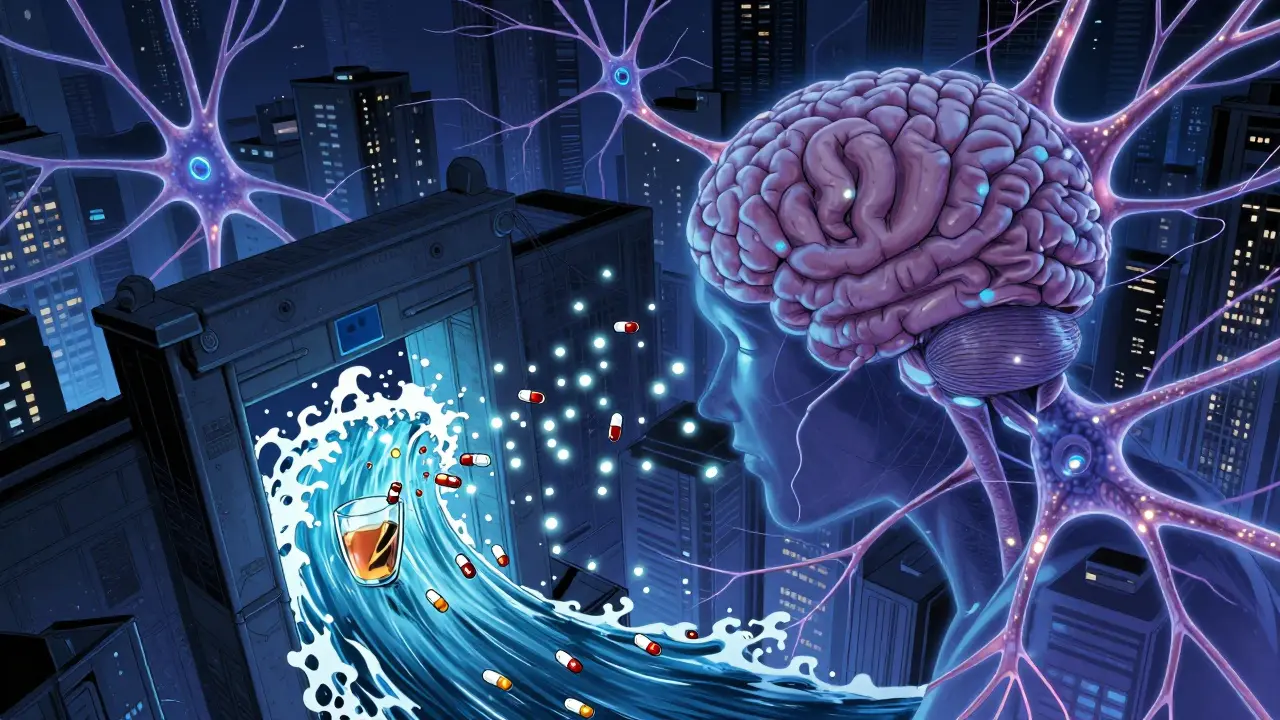
When you drink, alcohol enhances the activity of GABA, a neurotransmitter that tells your brain to slow down. At the same time, first-generation antihistamines block histamine receptors in the brain. Together, they create a "synergistic depression" of the Central Nervous System (CNS). This means your reaction time doesn't just slow down slightly-clinical studies show a 47% greater reduction in reaction speed when combining diphenhydramine with alcohol compared to alcohol alone.
Your liver makes the situation worse. Both substances are processed by the Cytochrome P450 enzyme system. Alcohol specifically inhibits enzymes like CYP3A4 and CYP2D6. Because these enzymes are busy dealing with the alcohol, they can't break down the antihistamine as quickly. This keeps the medication in your bloodstream 25-40% longer than usual, effectively increasing the dose and making you feel more intoxicated than you actually are.
The Real-World Danger: From Cars to Living Rooms
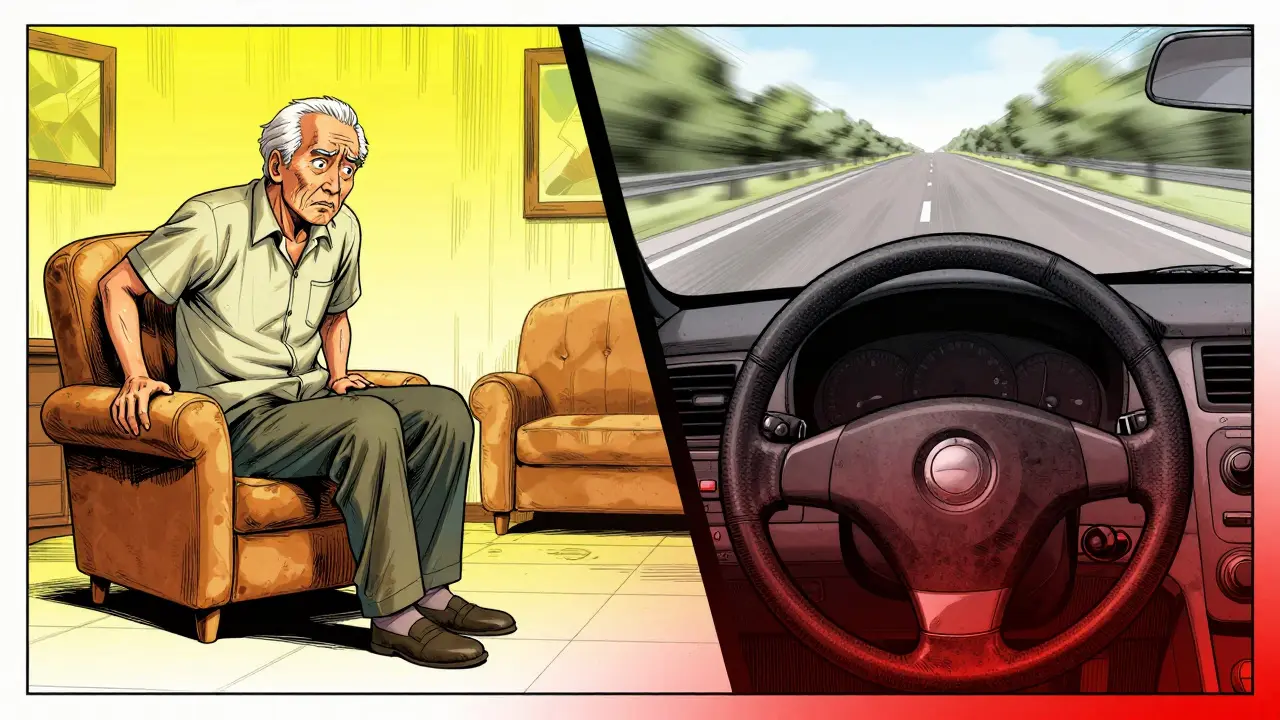
This isn't just about feeling sleepy; it's about safety. The CDC has noted that roughly 28% of traffic fatalities in 2021 involved drivers who had both alcohol and sedating medications in their system. If you take two Benadryl tablets (50mg) and have three or four drinks, your level of impairment can mirror a blood alcohol concentration (BAC) of 0.12-0.15%. For context, the legal driving limit in the U.S. is 0.08%. You could be legally impaired without even realizing how much the medication is amplifying the alcohol.
For older adults over 65, the risks are even steeper. The FDA reports that seniors experience 2.3 times more CNS depression from this mix than younger people. This often manifests as sudden confusion or memory loss. More dangerously, it leads to a 75% increase in the risk of falls and hip fractures because balance and coordination are the first things to go when your brain is overly sedated.
Hidden Antihistamines: Where They Hide
One of the biggest risks is accidental consumption. Diphenhydramine isn't just in allergy pills; it's tucked away in over 70 different over-the-counter products. You might be taking a "nighttime" cold and flu syrup, a sleep aid, or a motion sickness tablet, all of which contain the same sedating agent found in Benadryl. If you're sipping a cocktail while taking a multi-symptom cold remedy, you're likely engaging in the exact combination doctors warn against.
If you're in a pinch and need to manage allergies while drinking, look for alternatives that don't cross the blood-brain barrier. Nasal corticosteroids like Flonase or leukotriene inhibitors like Singulair generally don't have these dangerous interactions. However, keep in mind that these aren't instant fixes; they often take 3 to 7 days of consistent use to actually start working.
When to Seek Immediate Help
While the general rule is "don't mix," there is one critical exception. If someone is having a life-threatening allergic reaction (anaphylaxis), medical professionals, including pharmacists, agree that you should not withhold a necessary antihistamine just because the person has had alcohol. In a life-or-death situation, stopping the allergic reaction is the priority. However, you must seek immediate emergency medical attention, as the combined effects could lead to severe respiratory depression, where breathing becomes dangerously shallow or stops entirely.
Is it safe to drink alcohol with non-drowsy antihistamines?
While the risk is lower than with first-generation drugs, it's not zero. Alcohol can increase the drowsiness rates of "non-drowsy" meds like Zyrtec from 15% up to 45%. You should still exercise caution and avoid driving or operating machinery after mixing the two.
How long should I wait after taking Benadryl before drinking?
Medical professionals generally recommend waiting at least 12 to 16 hours after taking a first-generation antihistamine before consuming alcohol to ensure the drug has cleared your system.
Why does alcohol make antihistamines feel stronger?
Alcohol inhibits the liver enzymes (CYP3A4 and CYP2D6) responsible for breaking down the medication. This causes the antihistamine to stay in your blood longer and at higher concentrations, amplifying the sedative effects.
Can this combination cause a permanent overdose?
While not a traditional overdose of one substance, the synergy can cause severe respiratory depression and unconsciousness. This can be fatal if the person chokes or stops breathing, which is why many emergency room visits for this interaction require hospitalization.
What are the safest allergy alternatives for people who drink alcohol?
Nasal corticosteroids and leukotriene inhibitors are typically recommended because they don't act as CNS depressants. However, these require a few days of use to become effective, so they aren't suitable for acute symptom relief.