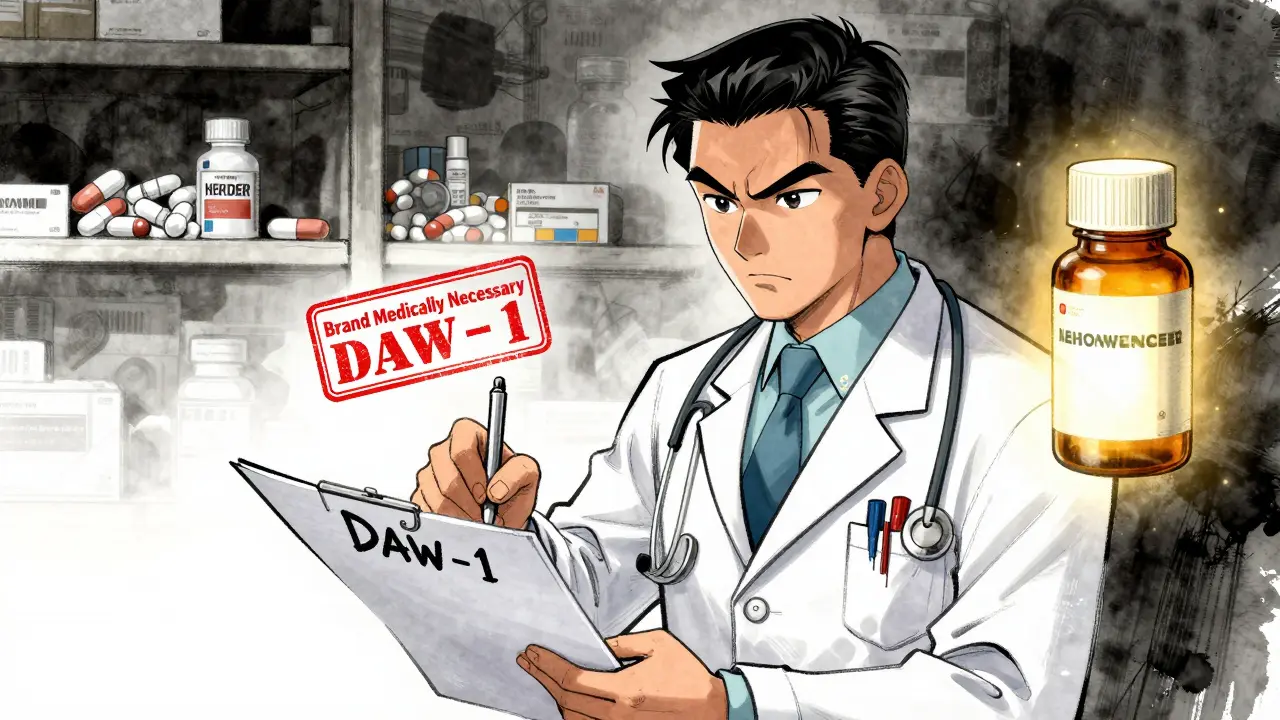
Every year, over 90% of prescriptions in the U.S. are filled with generic drugs-cheaper, just as effective, and saved the healthcare system more than $2 trillion over the last decade. But sometimes, a doctor says: no substitutions. Not because they’re against savings, but because the patient’s life depends on it.
Why Doctors Sometimes Block Generic Substitution
Generic drugs aren’t just cheaper versions of brand-name pills. They’re legally required to have the same active ingredient, strength, and route of delivery. But they can differ in fillers, dyes, coatings, and manufacturing processes. For most people, that doesn’t matter. For some, it’s the difference between stability and crisis. Take levothyroxine, the drug used to treat hypothyroidism. Even tiny changes in absorption-like switching from one generic brand to another-can cause symptoms like fatigue, weight gain, or worse: heart palpitations and thyroid storm. The FDA calls these narrow therapeutic index drugs. A small shift in blood levels can trigger serious harm. That’s why doctors often write DAW-1 on prescriptions: Dispense as Written. No substitution. The same applies to drugs like warfarin (a blood thinner), phenytoin (for seizures), and some psychiatric medications. These aren’t about brand loyalty. They’re about precision. A 2019 study found DAW-1 requests were highest in anticonvulsants (14.8%) and psychiatric drugs (12.3%). That’s not random-it’s clinical.How Prescriber Override Works: The DAW-1 Code
When a doctor wants to block a generic, they don’t just say “no.” They use a standardized code called DAW-1. It’s part of the National Council for Prescription Drug Programs (NCPDP) system used by pharmacies and insurers nationwide. DAW-1 means: the prescriber explicitly forbids substitution. But here’s the catch: how you write it matters. Every state has its own rules. In Illinois, you must check a box labeled “May Not Substitute.” In Kentucky, you must handwrite “Brand Medically Necessary.” In Michigan, you write “DAW” or “Dispense as Written.” Oregon lets you call in the request. California requires the phrase “Brand Medically Necessary” with your signature. Texas uses a two-line prescription format. If you get it wrong, the pharmacy can still substitute-and you won’t know until the patient comes back sick. Electronic health records (EHRs) were supposed to fix this. But many still default to generic substitution. A 2022 AMA survey found 52% of physicians said their EHR templates didn’t match their state’s override rules. That’s not a glitch-it’s a risk.The Cost of Override: When “Necessary” Becomes “Expensive”
Prescriber override saves lives. But it also costs money. A 2017 study showed DAW-1 prescriptions cost, on average, 32.7% more than substituted generics. That’s not just a few extra dollars. For a patient on multiple high-cost medications, it can mean hundreds more per month. And when override requests are used unnecessarily-because the doctor didn’t know the generic was safe, or didn’t check the Orange Book-it adds up fast. The American Pharmacists Association estimates inappropriate overrides contribute to $7.8 billion in wasted spending each year. Payers like Express Scripts found 18.4% of brand-drug spending was avoidable because of improper DAW-1 use. And here’s the irony: many doctors don’t realize they’re overusing overrides. A national survey found only 58.3% of physicians correctly understood their state’s override rules. Over 22% admitted they’d accidentally allowed substitutions because their documentation was unclear.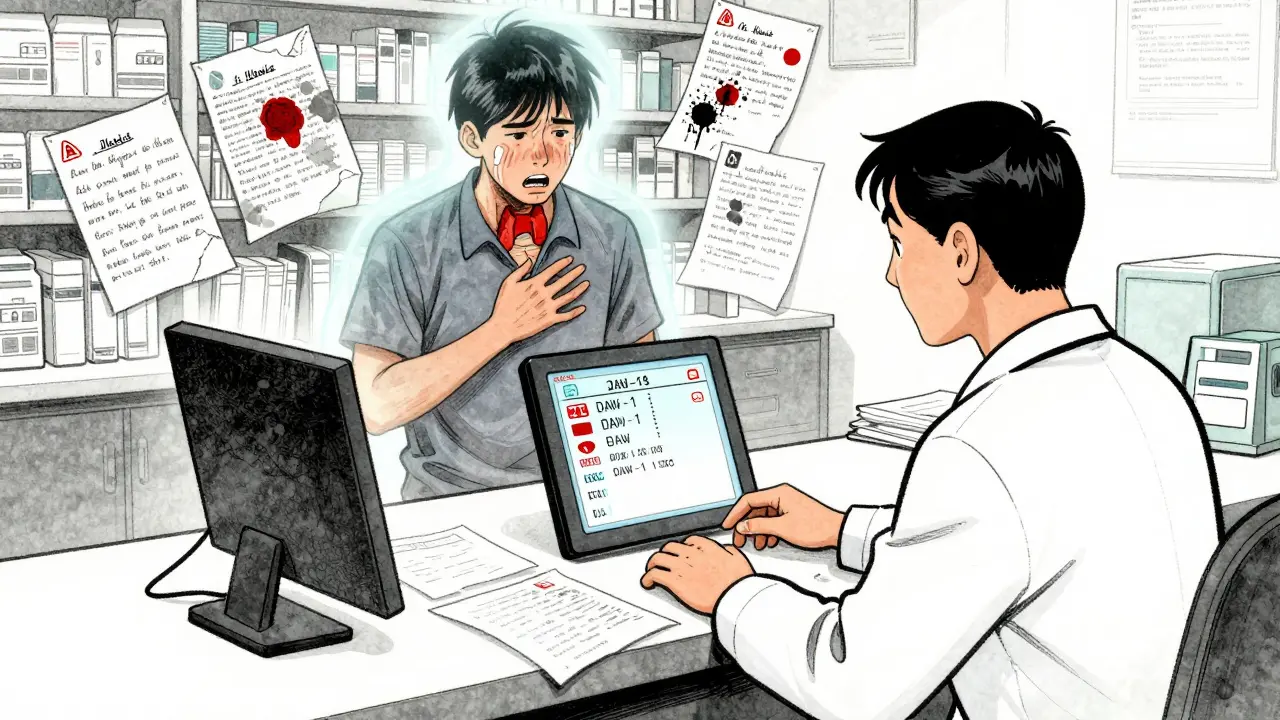
What Happens When Override Fails
The system works when everyone’s on the same page. It breaks when they’re not. In 2023, a Reddit thread from a physician named Dr_InternalMed told the story of a patient who ended up in the hospital after a pharmacy substituted levothyroxine-even though the prescription had DAW-1. The pharmacy claimed the electronic system didn’t register the override. The patient suffered thyroid storm. It was preventable. Between 2018 and 2022, the Institute for Safe Medication Practices documented 27 adverse events linked to improper substitution of warfarin, phenytoin, or levothyroxine. In every case, the prescriber had tried to block substitution. But the pharmacy didn’t see it. Or the insurance denied it. Or the EHR defaulted. On AllNurses, pharmacy technicians say 68% of override-related claim rejections come from bad documentation. Handwritten notes don’t scan well. Abbreviations get misread. EHRs auto-fill the wrong code.How to Get It Right: A Practical Guide for Clinicians
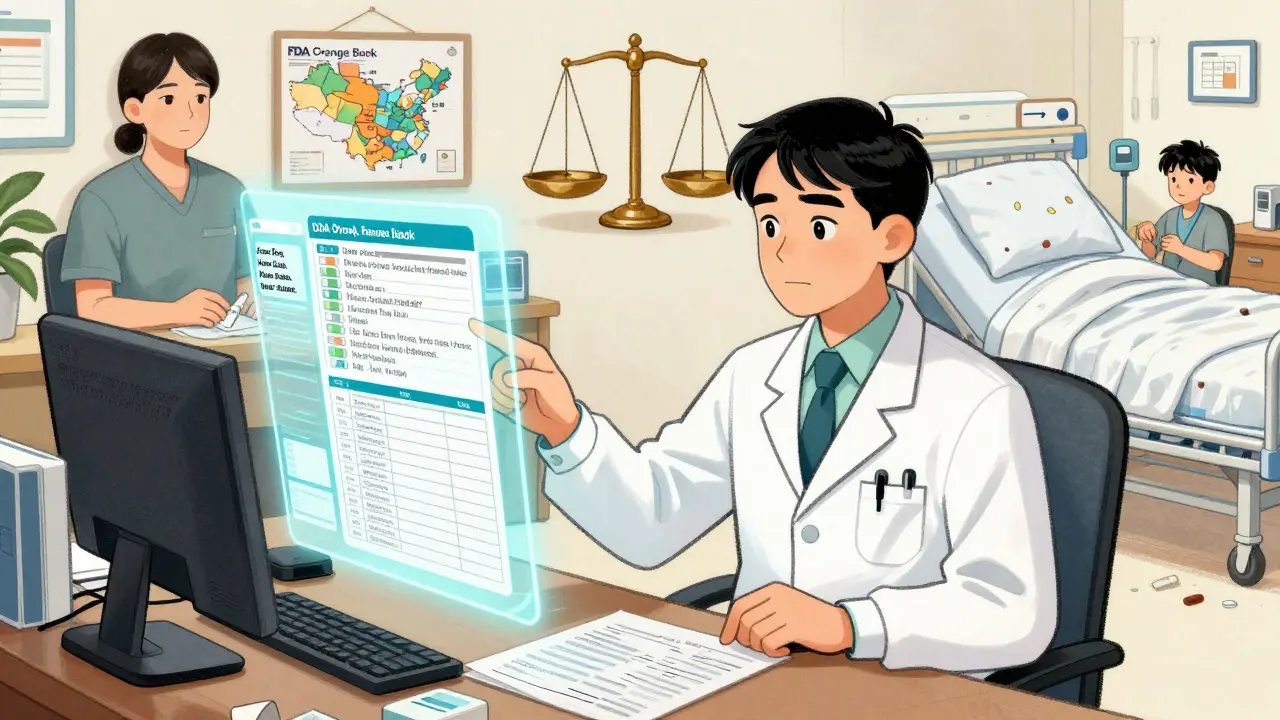
If you’re a doctor who needs to use prescriber override, here’s how to avoid the pitfalls:- Know your state’s rules. Check your state pharmacy board’s website. The National Association of Boards of Pharmacy has an interactive map updated quarterly.
- Use the exact language your state requires. Don’t say “no generic.” Say “Brand Medically Necessary” if that’s what your state wants.
- Check the Orange Book. The FDA’s Approved Drug Products with Therapeutic Equivalence Evaluations tells you which generics are rated “A” (substitutable) and which aren’t. If a drug has a “B” rating, you don’t even need to override-it’s not legally substitutable.
- Customize your EHR. If your system doesn’t have a state-specific override template, ask your IT team to build one. Clinics that did this saw a 63% drop in claim rejections.
- Document clearly. Even in e-prescribing, add a note: “Patient has had multiple failures with generics. Must dispense brand.”
The Bigger Picture: Is the System Broken?
The patchwork of state rules creates confusion. A doctor in New York who sees a patient from Texas doesn’t know which override rules apply. A pharmacist in Ohio might not recognize a notation from Florida. This isn’t just inconvenient-it’s dangerous. In 2023, Congress introduced the Standardized Prescriber Override Protocol Act. It’s still pending, but it could finally bring national consistency. Meanwhile, the NCPDP is building override instructions directly into the next version of the e-prescribing standard, expected by late 2024. For now, the system works-mostly-because of dedicated clinicians who double-check, triple-check, and sometimes call pharmacies themselves to confirm. But it shouldn’t have to be this hard.When Override Is Not the Answer
Not every patient needs the brand. Not every difference in generic formulation matters. For most drugs-antibiotics, statins, blood pressure pills-generics are identical in effect. Doctors who override every time aren’t protecting patients. They’re increasing costs and adding administrative burden. The goal isn’t to eliminate generics. It’s to use overrides only when clinical evidence demands it. The American Medical Association recommends override use in only 5-7% of cases. That’s not a suggestion-it’s a standard. If you’re overriding more than that, ask yourself: is it because of the patient’s needs… or because you’re unsure about the data?Final Thought: Precision Over Convenience
Prescriber override isn’t about fighting pharmacies or insurers. It’s about protecting patients who need precision. It’s about recognizing that medicine isn’t always one-size-fits-all-even when the system tries to make it that way. The real failure isn’t using DAW-1. It’s using it wrong. Or not using it at all when you should. Know your state. Know your drug. Know your patient. And never assume the pharmacy will read your mind.What does DAW-1 mean on a prescription?
DAW-1 stands for "Dispense as Written" and means the prescriber has legally required the pharmacy to dispense the brand-name drug and not substitute a generic version. It’s the most common override code used in the U.S. and must be clearly documented per state rules.
Can a pharmacist override a DAW-1 prescription?
No. Once DAW-1 is properly documented and transmitted, pharmacists are legally required to dispense the brand-name drug. If they substitute anyway, they’re violating state pharmacy law and could face disciplinary action. However, if the DAW-1 code is missing, unclear, or improperly formatted, the pharmacist may legally substitute.
Which drugs commonly require prescriber override?
Drugs with a narrow therapeutic index are most likely to need override. These include levothyroxine (for thyroid disorders), warfarin (blood thinner), phenytoin and carbamazepine (anti-seizure), digoxin (heart medication), and some psychiatric drugs like lithium. Even small changes in absorption can cause serious side effects or treatment failure.
Is the FDA’s Orange Book mandatory for pharmacists?
The FDA’s Orange Book is not federally mandatory, but 42 states require pharmacists to use it to determine if a generic is therapeutically equivalent (rated "A") before substitution. Pharmacists must consult it unless overridden by a DAW-1 prescription. It’s the official source for therapeutic equivalence codes.
Why do some pharmacies reject DAW-1 prescriptions?
Common reasons include: unclear handwriting on paper prescriptions, missing or incorrect DAW codes in e-prescriptions, EHR systems auto-filling the wrong code, or insurance requiring prior authorization for brand drugs. Some pharmacies also reject overrides if the prescriber didn’t document a valid medical reason, especially if the drug isn’t on the FDA’s non-substitutable list.
Can patients request brand-name drugs even if the doctor didn’t override?
Yes. Patients can request the brand name, and pharmacists can dispense it under DAW-2 code. But the patient usually pays the full brand price, even if the generic is cheaper. Insurance may not cover the difference unless the prescriber has approved it with DAW-1.
Are there penalties for doctors who misuse prescriber override?
There are no direct penalties for individual physicians, but excessive or inappropriate override use can trigger audits by insurers or pharmacy benefit managers (PBMs). In some cases, repeated misuse can lead to formulary restrictions or loss of prescribing privileges within a health network. More importantly, it contributes to avoidable healthcare spending.


Interesting read. I’ve been on levothyroxine for 8 years and switched generics three times-each time felt like a different drug. One made me feel like a zombie, another made my heart race. Ended up paying out of pocket for the brand. Worth it.