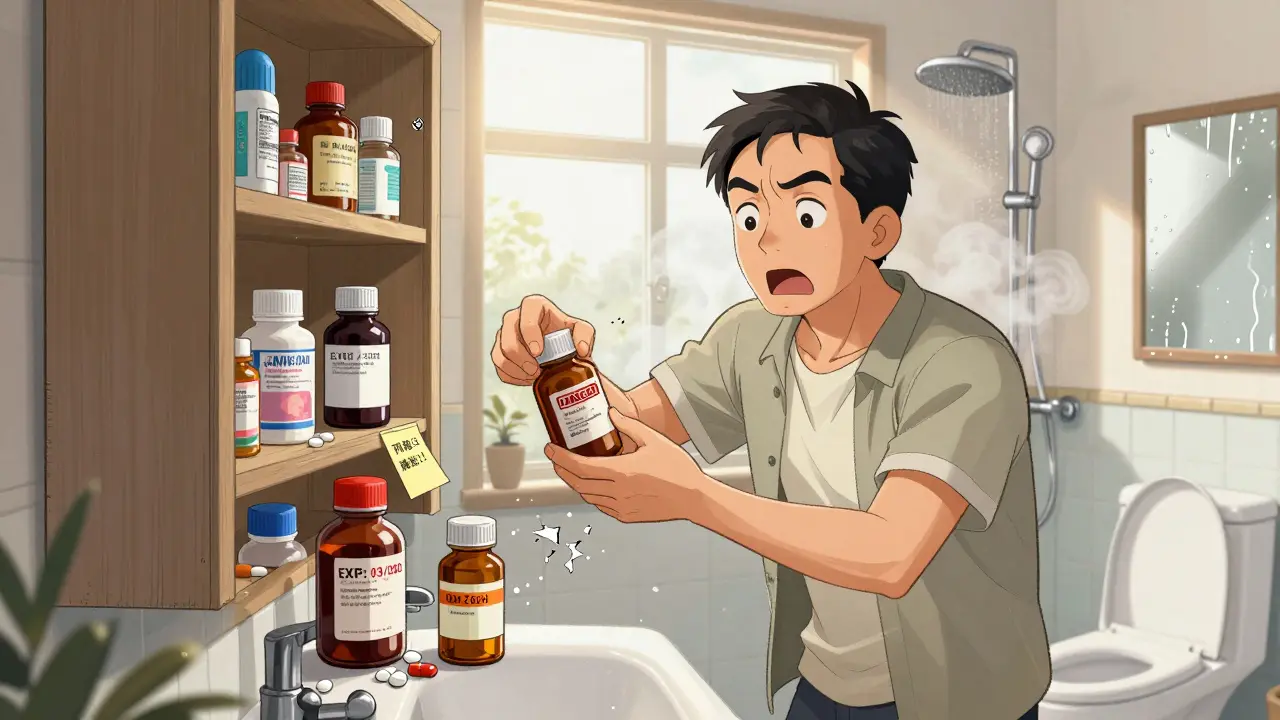
Every year, people throw out hundreds of millions of dollars worth of medicine-not because it was unused, but because they never knew it had expired. You might have a bottle of antibiotics from last winter, painkillers from a back injury, or allergy pills from last spring tucked away in your bathroom cabinet. If you can’t remember when you bought them, you’re playing a risky game. Medication expiration dates aren’t just suggestions-they’re safety limits. Taking expired medicine won’t always hurt you, but it might not work at all. And in some cases, like insulin or antibiotics, it can be dangerous.
Why expiration dates matter more than you think
The FDA requires drug manufacturers to test medications for stability and potency up to their expiration date. That date means the drug will still work as intended and remain safe to use-under proper storage conditions. After that date, the chemical makeup can break down. Painkillers might lose strength. Antibiotics could become ineffective, letting infections grow. EpiPens might not deliver the right dose in an emergency. In New Zealand, the Ministry of Health warns that expired medicines are a growing public health concern, especially among older adults who keep multiple prescriptions.It’s not just about effectiveness. Some medications, like liquid antibiotics or eye drops, can grow bacteria after expiration. Even pills can degrade into harmful substances if exposed to heat, moisture, or light. A 2023 study in the Journal of Clinical Pharmacy and Therapeutics found that 37% of household medicine cabinets contained at least one expired item. Many of those were kept out of habit, not necessity.
What to do right now: Clear out your cabinet
Start by taking everything out. Yes, everything. Pill bottles, ointments, inhalers, patches, even that old cough syrup from 2021. Lay it all on a clean table. Don’t rush. This isn’t just cleaning-it’s a safety audit.Look for the expiration date. It’s usually printed on the label as “EXP” or “Use by,” followed by a month and year. Some older bottles might just have a lot number. If you can’t find an expiration date, assume it’s expired. If it’s more than a year past the date, toss it. If it looks discolored, smells weird, or the pills are cracked or sticky-throw it out. No exceptions.
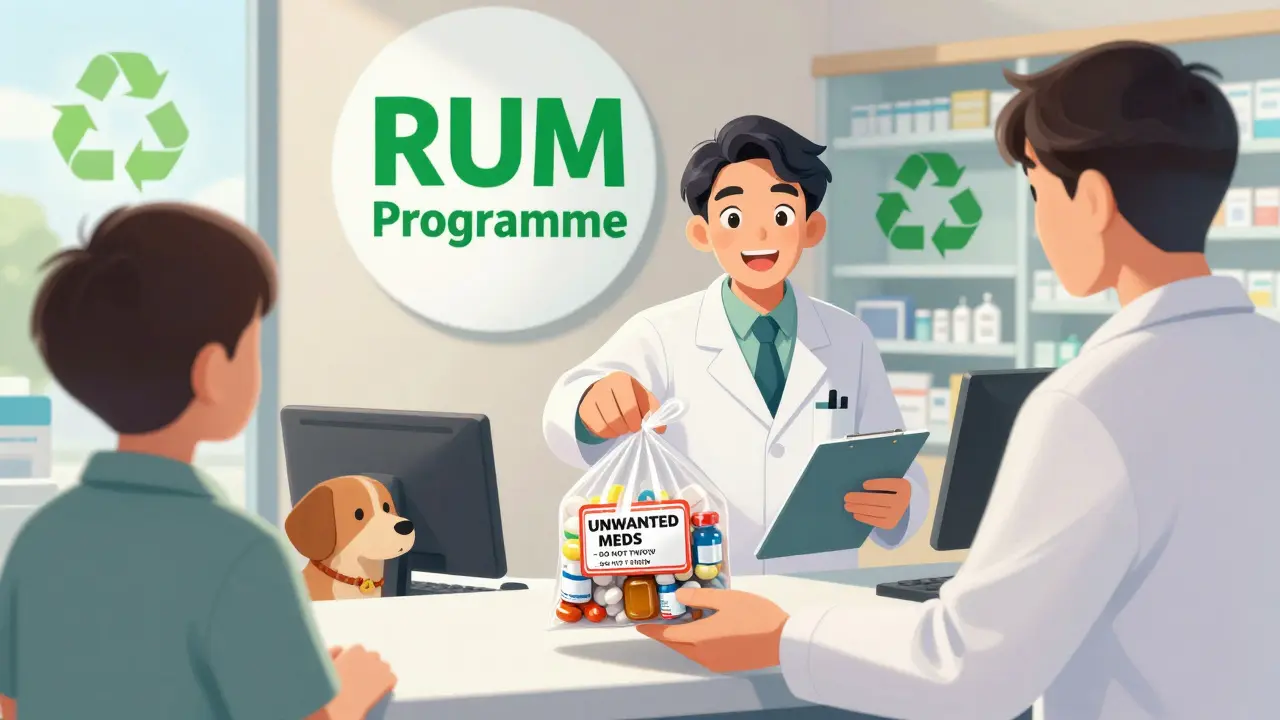
Don’t just throw pills in the trash. In Dunedin, you can drop off expired or unwanted medicines at any pharmacy that participates in the National Return of Unwanted Medicines (RUM) programme. They’ll dispose of them safely. No need to remove pills from blister packs-just hand over the whole thing. This keeps kids and pets safe and prevents environmental contamination.
Build a simple tracking system
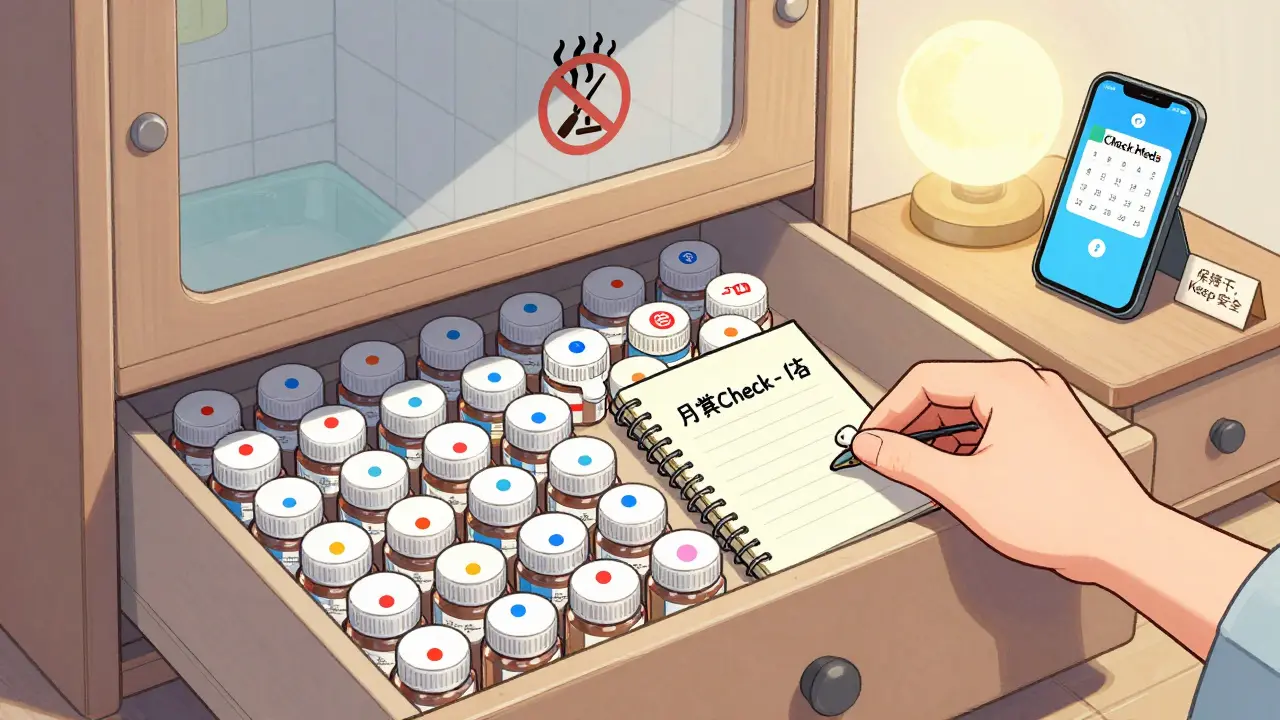
Now that your cabinet is clean, you need a system that works for you. You don’t need an app or a smart cabinet. You need consistency.Use sticky notes. Yes, really. Write the expiration date on a small piece of paper and stick it right on the bottle. Use a permanent marker. If you’re worried about looks, use a tiny label from a label maker. Or buy a pack of colored dot stickers-each color represents a month. Red for January, blue for February, and so on. Put a red dot on your January-expiring meds, a blue one on February’s, and so on. It’s visual, fast, and works even if your phone dies.
Keep a simple list. Open a notes app on your phone or use a small notebook. Write the name of the medicine, the expiration date, and where it’s stored. Update it every time you refill a prescription. You don’t need fancy software. Just write it down. Check it once a month-maybe when you pay your bills or do laundry. Set a calendar reminder on your phone: “Check medicine cabinet” on the first of every month.
Store medicines properly to make them last
Expiration dates assume the medicine was stored correctly. Heat, humidity, and light shorten shelf life. Your bathroom cabinet is one of the worst places to keep medicine. Steam from showers, temperature swings, and moisture make pills break down faster.Move your medicine to a cool, dry place. A bedroom drawer, a kitchen cabinet away from the stove, or a dedicated shelf in a closet works better. Avoid direct sunlight. Keep it out of reach of kids and pets. Some medicines, like insulin, need refrigeration. Always check the label. If it says “store in fridge,” keep it there-even if it’s expired. Refrigeration slows degradation.
Keep original packaging. The bottle or box has important info: dosage, warnings, lot number. If you transfer pills to a pill organizer, keep the original bottle as a backup. Never mix different medicines in one container unless you’re using a labeled, purpose-built organizer.
What to do when you find expired medicine
If you find something expired, don’t panic. But don’t ignore it either.- For most pills and creams: Take them to a RUM drop-off point. Pharmacies in Dunedin like Countdown Pharmacy, LloydsPharmacy, or any participating pharmacy will take them for free.
- For syringes or sharps: Use a hard plastic container with a tight lid (like a laundry detergent bottle). Seal it, label it “SHARPS,” and take it to a pharmacy or your local council’s hazardous waste site.
- For controlled drugs (like opioids): Don’t just toss them. Contact your pharmacist. They have special procedures for safe disposal.
- For liquid medicines: Pour them down the sink only if the label says it’s safe. Otherwise, mix with coffee grounds or cat litter, seal in a bag, and put it in the trash. This makes it unappealing to kids or animals.
Never flush pills unless the label specifically says to. Flushing pollutes waterways and harms marine life. New Zealand’s environmental agencies strongly discourage it.
When to call your pharmacist
If you’re unsure whether a medicine is still safe-even if it’s just a few weeks past the date-ask your pharmacist. They have access to stability data and can tell you if it’s still effective. This is especially important for:- Heart medications (like beta-blockers or blood thinners)
- Insulin or injectable hormones
- Antibiotics prescribed for serious infections
- Epinephrine auto-injectors (EpiPens)
Pharmacists in New Zealand are trained to advise on this. Don’t feel silly asking. It’s part of their job. Many will even check your cabinet for you if you bring everything in.
Make it a habit
This isn’t a one-time chore. It’s like checking your smoke alarms or changing your toothbrush. Set a reminder on your phone for the first day of every month. When that alarm goes off, take five minutes. Look at your meds. Check dates. Toss what’s expired. Update your list. If you’re running low on something, schedule a refill before it runs out.Over time, you’ll stop thinking about it. You’ll just do it. And when you do, you’ll feel more in control. You’ll know your medicine works when you need it. You’ll sleep better. And you’ll help reduce waste-both financial and environmental.
What’s next? Keep it simple
You don’t need smart cabinets, RFID tags, or cloud systems to stay safe. Those tools exist for hospitals managing thousands of doses. For your home, a sticky note and a monthly habit are enough. The goal isn’t perfection-it’s prevention. One expired pill you didn’t take could mean one less trip to the ER. One clear label could save a child’s life.Start today. Clear the cabinet. Write the dates. Move the meds. Drop the old ones off. Do it now. Your future self will thank you.
Can I still take medicine after the expiration date?
Most solid pills (like aspirin or ibuprofen) are still safe to take a year or two past their expiration date, but they may not work as well. Liquid medicines, insulin, antibiotics, and epinephrine should never be used past their date-they can become ineffective or even harmful. When in doubt, ask your pharmacist.
Where can I dispose of expired medicine in Dunedin?
Any pharmacy in Dunedin that participates in the National Return of Unwanted Medicines (RUM) programme will take your expired or unwanted medicines for free. Look for the RUM logo or ask at your local pharmacy-Countdown, Lloyds, or any major chain will accept them. Just bring the whole bottle or pack-no need to remove pills.
Is it safe to flush expired pills down the toilet?
Only if the label specifically says to. Flushing medicines pollutes waterways and harms aquatic life. New Zealand’s environmental guidelines strongly advise against it. Instead, use the RUM programme or mix pills with coffee grounds or cat litter, seal them in a bag, and put them in the trash.
How often should I check my medicine cabinet?
Once a month. Set a reminder on your phone for the first day of each month. It takes less than five minutes. Check expiration dates, toss what’s expired, and update your list. This simple habit prevents dangerous mistakes and keeps your cabinet organized.
Where’s the best place to store medicine at home?
A cool, dry place away from heat and moisture-like a bedroom drawer or a kitchen cabinet not near the stove or sink. Avoid the bathroom. Humidity from showers can break down pills faster. Keep medicines out of reach of children and pets. Some medicines, like insulin, need refrigeration-always follow the label.
Do I need to keep medicine in its original bottle?
Yes, always. The original bottle has the expiration date, dosage instructions, warnings, and lot number. If you use a pill organizer for daily doses, keep the original bottle as a backup. Never mix different medicines in one container unless it’s clearly labeled.


So let me get this straight-I’m supposed to throw out my 2-year-old ibuprofen because some label says so? My grandpa took penicillin from 1978 and lived to 94. Maybe the real expiration date is when we stop trusting our own instincts.