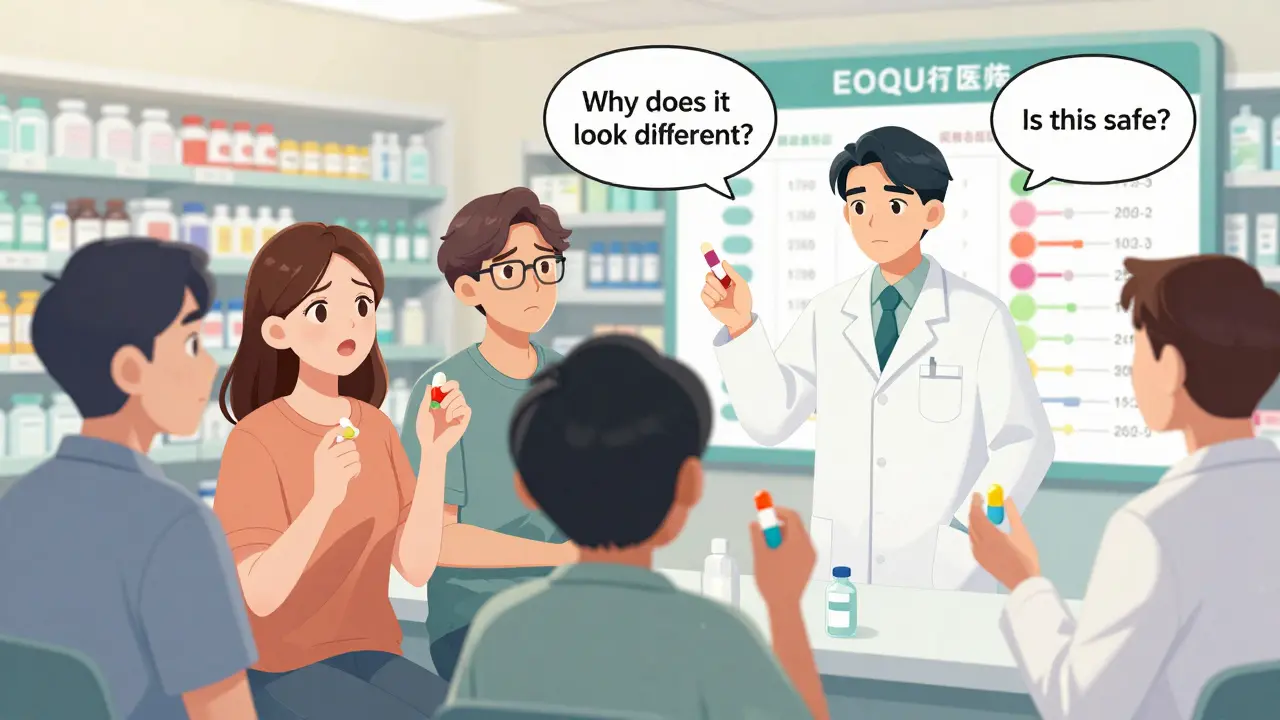
Switching from a brand-name drug to a generic version sounds simple-same active ingredient, lower price. But if you’ve ever looked at a new pill and thought, “This doesn’t look right,” you know it’s not always that easy. Around 90% of prescriptions filled in the U.S. are for generic drugs, and they save patients and the system over $370 billion a year. Yet, for some people, that switch can bring confusion, anxiety, or even real health risks. The key? Talking to your pharmacy before the change happens-not after.
Why Generics Are Different (Even When They’re Not)
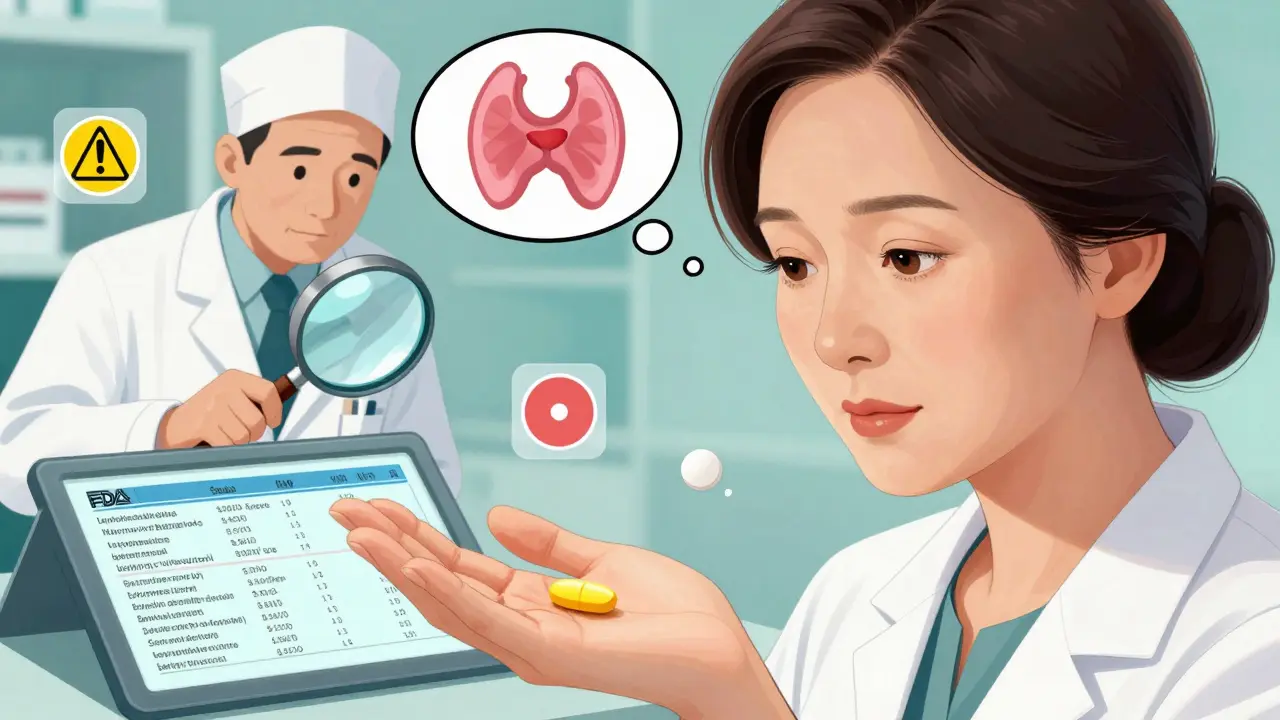
The FDA says generics are bioequivalent to brand-name drugs. That means they deliver the same amount of active ingredient into your bloodstream at the same rate. For most people, that’s all that matters. But bioequivalence doesn’t mean identical. Generics can differ in color, shape, size, or the inactive ingredients-like fillers, dyes, or coatings. These don’t affect how the drug works for most, but they can for some. Take levothyroxine, a thyroid medication. Even tiny changes in absorption can throw your hormone levels off. A 2021 study in JAMA Internal Medicine found that 9.4% of patients on antiepileptic drugs had a seizure or worsening symptoms after switching to generic versions, compared to just 5.3% who stayed on brand. That’s not a huge number, but for the person it happens to, it’s everything. And then there’s appearance. A 2022 survey found that 37% of patients hesitated to take a new pill because it looked different from what they were used to. One woman on Reddit shared how she nearly threw out her new generic version of metformin because it was a bright yellow oval instead of the white round pill she’d taken for years. She didn’t realize the change was normal.What You Should Do Before the Switch
Don’t wait until your prescription runs out. Start the conversation at least 30 days before your current supply ends. Here’s what to ask your pharmacist:- “Is this going to be a generic substitution?” Some pharmacies automatically switch unless you say no. Others require your doctor’s approval. Know which one you’re dealing with.
- “Will my insurance cover the brand if I need it?” Many plans make you pay more-or deny coverage-unless you’ve tried the generic first. Ask about prior authorization rules.
- “Is there a difference in how often I’ll need to take it?” Some generics have different dosing schedules. One patient switched from a once-daily brand to a generic that required twice-daily dosing and ended up missing doses.
- “Are there any special instructions?” For example, some generics can’t be crushed or split. Others need to be taken with food. Small details matter.
When You Should Say No
Not all drugs are safe to switch. The FDA and experts agree: avoid automatic substitution for drugs with a narrow therapeutic index-where even small changes in blood levels can cause harm. These include:- Levothyroxine (thyroid)
- Warfarin (blood thinner)
- Phenytoin, carbamazepine, and other antiseizure meds
- Cyclosporine and tacrolimus (organ transplant drugs)
- Theophylline (asthma)
What Your Pharmacist Should Do
A good pharmacist doesn’t just fill the script-they protect you. During a transition, they should:- Check for drug interactions with your other meds
- Confirm your dose hasn’t changed
- Review your medication history for past reactions
- Explain any differences in pill appearance
- Offer to call your doctor if you report side effects
How to Spot Trouble After the Switch
You’ll know something’s off if:- You feel worse-more fatigue, dizziness, nausea, or mood changes
- Your condition worsens-higher blood pressure, more seizures, unstable thyroid levels
- You have new side effects you didn’t have before

Cost, Coverage, and Hidden Support
Generics save money-on average $265 per medication per year for Medicare patients. But sometimes, the generic isn’t cheaper than the brand. Why? Insurance tiers. Some plans put the brand on Tier 1 (lowest cost) if it’s the only one covered. Or, the generic might be out of stock. Ask your pharmacist: “Is there a patient assistance program?” Generic manufacturers often have them. For example, Amgen’s transition program for Ravicti helped reduce medication gaps by 68% through direct pharmacist support. Also ask about medication synchronization. This is when all your prescriptions are set to refill on the same day. It cuts down on missed doses during transitions-and improves adherence by 27%, according to the American Pharmacists Association.What’s New in 2026
In 2023, the DEA allowed pharmacies to transfer electronic prescriptions for controlled substances (like pain meds or ADHD drugs) without requiring a doctor’s approval. That means if your brand-name drug switches to generic and you want to change pharmacies, you can do it yourself-no waiting for paperwork. EHR systems now flag potential issues automatically. If your doctor prescribes a drug that’s been linked to problems after a generic switch, the system alerts the pharmacist. And pilot programs from CVS and Walgreens are using blockchain to track every generic batch, so if you have a bad reaction, they can trace exactly which version you got.Bottom Line: Talk Early, Talk Often
Switching to a generic isn’t just a pharmacy transaction. It’s a health decision. You don’t need to be an expert-but you do need to be involved. Don’t assume everything’s fine. Ask questions. Write down your concerns. Bring your pill bottle to every visit. If your pharmacist doesn’t offer to explain the change, ask them to. Most people switch without issue. But for those who do have problems, the difference between a smooth transition and a crisis is one conversation.Can I ask my pharmacy to keep me on the brand-name drug?
Yes. You have the right to request the brand-name version, even if a generic is available. Your pharmacist can check with your insurance and prescriber to see if it’s allowed. Some plans require prior authorization, and some doctors will write “dispense as written” on the prescription to block substitution. If cost is an issue, ask if the manufacturer offers a discount program.
Why does my generic pill look different?
Generic drugs must have the same active ingredient, but they can differ in color, shape, size, and inactive ingredients due to trademark laws and manufacturing differences. The FDA allows this as long as the drug is bioequivalent. If the new pill looks completely unfamiliar, ask your pharmacist to confirm it’s the correct medication and check for recalls or quality issues.
What if I have side effects after switching?
Contact your pharmacy immediately. They can check if others have reported similar reactions, verify the manufacturer and lot number, and determine if the issue is likely related to the switch. They may contact your doctor to request a return to the brand or switch to a different generic. Never stop taking your medication without consulting a professional.
Are all generics the same quality?
All FDA-approved generics must meet the same standards as brand-name drugs. But manufacturing quality can vary between companies. The FDA inspects factories and issues warning letters if standards aren’t met. If you notice a pattern of side effects after switching to a new generic, your pharmacist can help identify the manufacturer and possibly switch you to another version.
Can I switch back to the brand if the generic doesn’t work?
Yes. If you believe the generic isn’t working or is causing side effects, your pharmacist can help you request a return to the brand-name drug. This usually requires a note from your doctor, but many insurers will approve it if you document the issue. Medicare and most commercial plans allow a one-time exception for patients who have a documented adverse reaction.