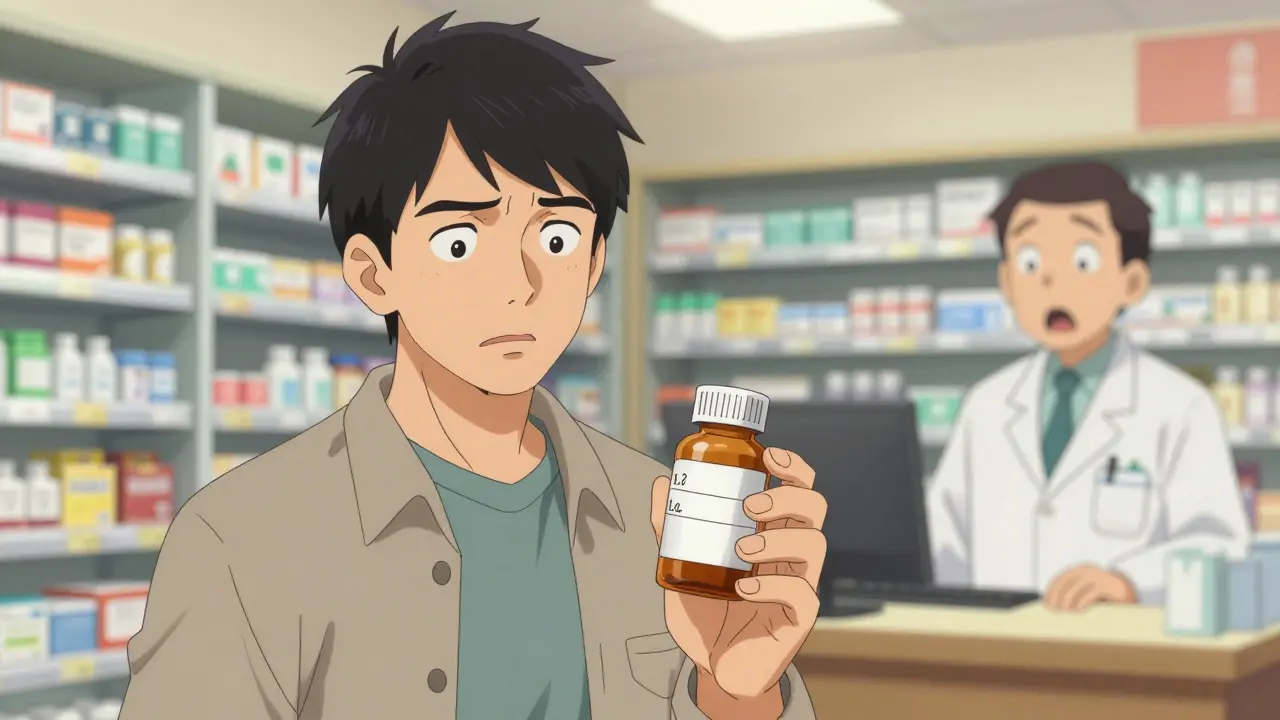
Getting the wrong medicine or the wrong dose from your pharmacy isn’t just a mistake-it’s a safety risk. Maybe you picked up your blood pressure pill and noticed the label says something completely different. Or your child’s antibiotic dose looks way too high. Maybe the pharmacist didn’t warn you about the dangerous interaction with your other meds. These aren’t rare. They happen more than you think. And if you don’t speak up, the same error could hurt someone else next week.
What Counts as a Pharmacy Error?
A pharmacy error isn’t just about getting the wrong drug. It includes:- Wrong medication (you asked for amoxicillin, got azithromycin)
- Wrong dose (you were supposed to get 5mg, got 50mg)
- Wrong patient (someone else’s prescription ends up in your bag)
- Wrong instructions (no warning about alcohol, no refill info)
- Wrong labeling (missing expiration date, unclear directions)
- Missing counseling (no one explained how to take it safely)
Even if you didn’t take the medicine, if you caught it before swallowing-that’s still a reportable error. These are called "near-misses," and they’re just as important as actual harm. The more we know about what went wrong, the safer the system becomes for everyone.
Why Reporting Matters-Even If You’re Fine
You might think: "I didn’t get hurt. Why bother?" But here’s the truth: most errors never get reported. A 2021 study found only 14.3% of serious medication mistakes are ever reported to any official system. Why? People fear retaliation, think it won’t change anything, or just don’t know how.But here’s what happens when you report: the pharmacy doesn’t just get in trouble-they get help. Systems are reviewed. Barcode scanners might be upgraded. Staff get retrained. Double-checking steps are added. In one case in 2023, an ISMP report on a dangerous insulin error led to a Walmart pharmacy fixing their labeling system within 24 hours, preventing harm to dozens of other patients.
Reporting isn’t about blaming a pharmacist. It’s about fixing the broken process. As Dr. Michael Cohen of ISMP says, "The value of error reporting lies not in counting mistakes but in understanding their root causes to redesign systems that prevent harm."
How to Report a Pharmacy Error in the U.S.
There are three main ways to report a pharmacy error in the U.S.-and you don’t need to be a doctor or a lawyer to do it.1. Report to the FDA’s MedWatch Program
The FDA’s MedWatch is the federal system for reporting serious medication errors and side effects. You can file a report online, by phone, or by mail.- Online: Go to the FDA MedWatch portal and fill out Form 3500 (for consumers).
- By phone: Call 1-800-FDA-1088 (1-800-332-1088).
- By mail: Download Form 3500B from the FDA website and send it in.
Most reports are filed online. The FDA gets about 1.3 million reports a year, but only about 8% are medication errors. Your report helps them spot patterns-like if a certain batch of pills keeps being mislabeled.
2. Report to Your State Board of Pharmacy
Each state runs its own pharmacy licensing board. This is where you go if you want an official investigation. California, for example, received over 1,800 complaints in 2021-and 217 led to disciplinary action against pharmacists or pharmacies.How to file:
- Find your state’s board website (search "[Your State] Board of Pharmacy").
- Download or fill out their complaint form (many have online options).
- Include: a copy of the prescription, the medication container (if you still have it), and any notes on what happened.
California requires acknowledgment within 14 days. Other states may take longer. But unlike the FDA, state boards can actually investigate, fine, or suspend licenses.
3. Report to ISMP’s National Medication Error Reporting Program
The Institute for Safe Medication Practices (ISMP) runs the most detailed and patient-friendly reporting system in the U.S. Their goal isn’t punishment-it’s prevention.- Online: Go to ismp.org/report-medication-error
- Phone: Call 1-800-233-7767
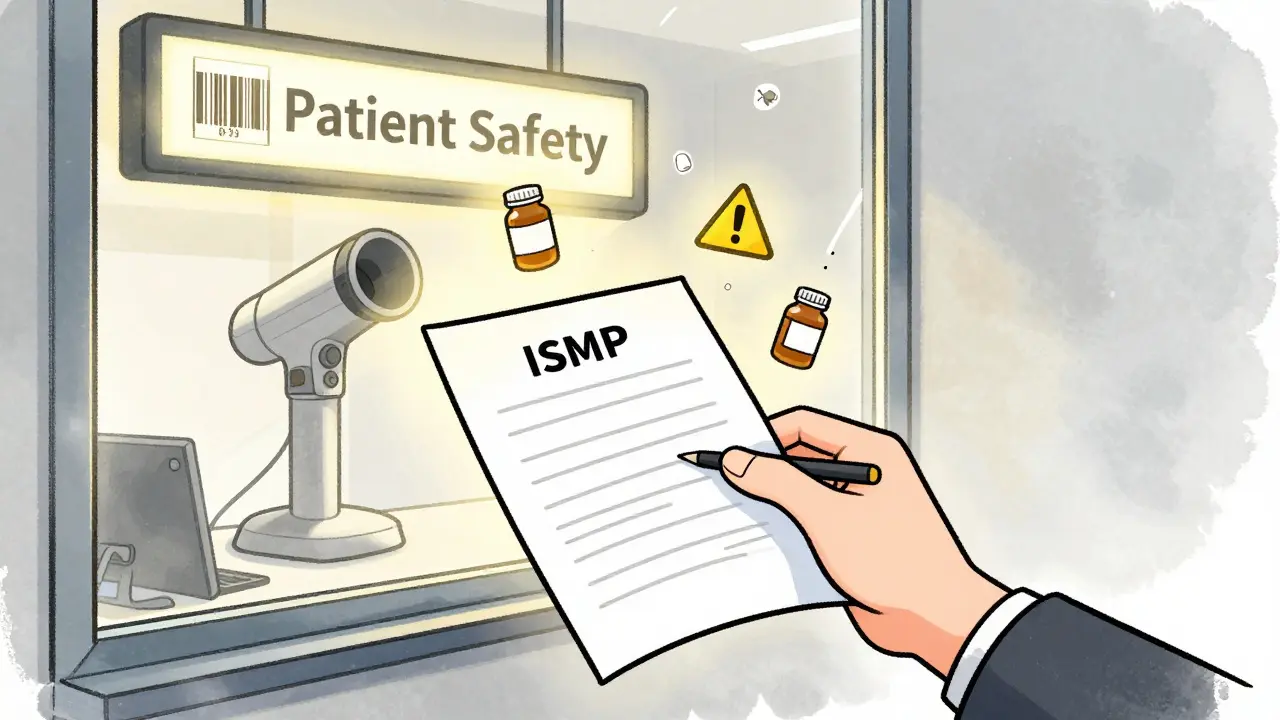
ISMP asks for details like: "What happened?", "Why do you think it happened?", and "How could it be prevented?" They analyze every report using the NCC MERP Index-a 9-point scale that measures how close the error came to causing harm. They share findings with pharmacies, manufacturers, and regulators. And because they’re a Patient Safety Organization (PSO), your report is legally protected from being used against you or the pharmacy in court.
What Happens After You Report
After you file, here’s what you can expect:- Within 1-3 days: You’ll get an automated confirmation email or letter.
- Within 2-6 weeks: If you reported to a state board or ISMP, you may get a follow-up letter explaining what they found.
- Within 3-12 months: The pharmacy might be inspected, staff retrained, or new safety steps added.
- But here’s the hard truth: The FDA rarely contacts you back. A 2022 survey showed 71% of MedWatch reporters received no follow-up.
Don’t expect a phone call or a personal apology. But you will get this: peace of mind that you helped prevent the next person from getting hurt.
What Not to Do
There are common mistakes people make when reporting:- Don’t wait. Some states only accept complaints within 12 months. Don’t let time run out.
- Don’t assume the pharmacy will fix it. Most errors go unreported because people think the pharmacy "knows" they messed up. They don’t. Unless you tell them, they may never know.
- Don’t skip the details. "I got the wrong pill" isn’t enough. Write: "I asked for 10mg lisinopril, got 20mg. The label said "Lisinopril 20mg" but the bottle had 10mg pills inside. I didn’t take it." Include dates, names, and what you did next.
- Don’t give up. If you don’t hear back in 6 weeks, call again. Attach photos of the label. Send a copy to your doctor.
International Reporting (For New Zealand Residents)
If you’re in New Zealand, you don’t report to the FDA or state boards. Here’s what to do:- Report to the Medicines Adverse Reactions Committee (MARC) through the Medicines Safety Authority.
- Call 0800 633 772 or use their online form.
- Include: your name (optional), the medicine name, the error, and what happened.
New Zealand’s system is voluntary but well-integrated with the national health network. MARC shares findings with Pharmac and local pharmacies to improve safety.
What You Can Do Right Now
If you’ve had a pharmacy error-whether you took the medicine or not-here’s your action plan:- Keep the evidence. Save the pill bottle, label, prescription receipt.
- Write down what happened. Date, time, what you asked for, what you got, who was there.
- Report to ISMP. It’s fast, confidential, and leads to real change.
- Report to your state or national authority. If you want an official investigation, file with your pharmacy board or Medicines Safety Authority.
- Tell your doctor. They can flag your file and watch for side effects.
You don’t need to be angry. You don’t need to scream. You just need to speak up. One report might not fix everything-but 100 reports? That’s how systems change.
Frequently Asked Questions
Can I report a pharmacy error anonymously?
Yes. ISMP and the FDA allow anonymous reports. But if you want a follow-up or if your case goes to a state board for investigation, you’ll need to provide contact info. Even if you stay anonymous, your report still helps improve safety systems.
Will reporting get me in trouble with the pharmacy?
No. Under U.S. law, Patient Safety Organizations like ISMP protect your report from being used against you. Pharmacies can’t fire staff or retaliate just because someone reported an error. In fact, most pharmacies appreciate knowing about mistakes so they can fix them. Fear of retaliation is one of the top reasons people don’t report-but it’s rarely justified.
How long does it take to get a response?
It varies. The FDA doesn’t usually respond to consumers. State boards like California’s must acknowledge your report within 14 days, but full investigations can take 2-6 months. ISMP sends a summary of findings within 4-8 weeks. Don’t expect a phone call-but do expect your report to be added to national safety data.
What if I already took the wrong medicine?
Call your doctor or poison control immediately. In the U.S., call 1-800-222-1222. In New Zealand, call Healthline at 0800 611 116. Then report the error to ISMP and your national medicines authority. Even if you feel fine, some side effects show up days later. Documenting the incident helps your doctor monitor you and prevents future harm.
Can I report a near-miss?
Absolutely. In fact, ISMP and the Joint Commission encourage near-miss reporting. If you caught the error before taking the medicine, that’s even more valuable. These reports help identify system flaws before someone gets hurt. One near-miss report can prevent dozens of future errors.
Do pharmacies get punished when I report them?
Not always. Most reports lead to training, process changes, or system upgrades-not fines or suspensions. State boards only take disciplinary action if there’s a pattern of negligence, recklessness, or repeated errors. The goal isn’t to punish individuals, but to fix broken systems. Most pharmacists want to do better-they just need the right tools and support.


Just saved my kid’s life by catching a 10x overdose on antibiotics. I didn’t know where to start until I read this. Thank you.