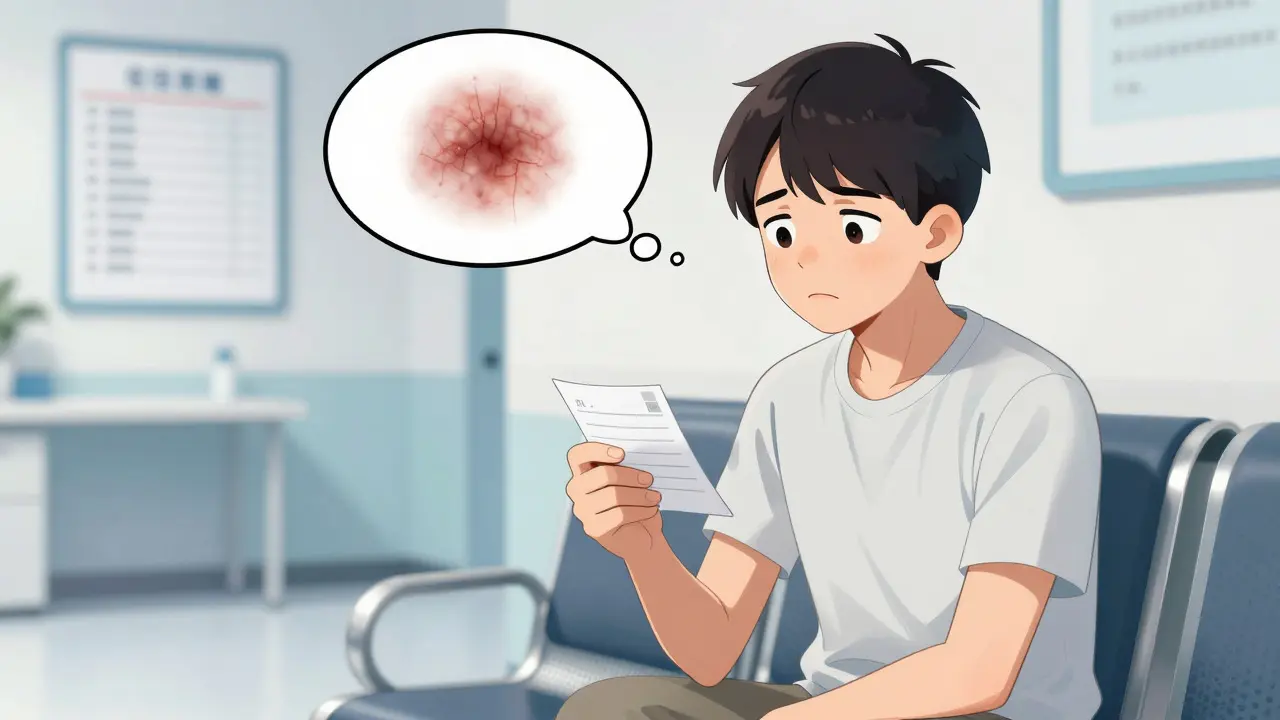
Imagine walking into a clinic for a simple throat infection, only to be handed a prescription for an expensive, broad-spectrum antibiotic because your chart says you're allergic to penicillin. You've been carrying that label for twenty years. But what if that "allergy" was just a rash from childhood? For many people, the fear of a drug reaction keeps them locked out of the most effective treatments available. The good news is that most reported medication allergies are not true immune responses, and modern medicine has clear paths to clearing those labels safely.
The Reality of Drug Allergies vs. Side Effects
First, we need to separate fact from fiction. A true drug allergy is when your immune system mistakes a harmless substance in a medication for a threat, like a virus or bacteria. This triggers a response involving antibodies, specifically IgE, which can lead to symptoms ranging from hives to life-threatening anaphylaxis. However, according to the Cleveland Clinic, less than 10% of all adverse drug reactions are actually allergic. The other 90% are side effects-predictable, dose-dependent responses that aren't immune-mediated at all.
This distinction matters because it changes how you treat the condition. If you have a side effect, like nausea from a new painkiller, you might manage it with food or a lower dose. If you have a true allergy, you usually need to avoid that drug class entirely or undergo specific testing. Penicillin is the biggest culprit here. About 10% of people report being allergic to it, but recent data suggests that 90-95% of these patients can safely take it again after proper evaluation. Dr. Elina Jerschow, Director of Drug Allergy Research at Montefiore Medical Center, notes that inaccurate documentation leads to significant health risks, including a 26% higher chance of developing Clostridium difficile infection due to the use of broader-spectrum alternatives.
Why Accurate Documentation Changes Everything
One of the biggest hurdles in managing medication allergies is poor record-keeping. When you see a new doctor, they often rely on your medical history. If that history is vague-saying just "rash" or "upset stomach"-the safest bet for the prescriber is to avoid the suspected drug. This creates a cycle where unnecessary restrictions persist for decades.
To break this cycle, documentation needs to be precise. Guidelines from the National Institute for Health and Care Excellence (NICE) recommend capturing seven specific data points:
- The generic and brand name of the drug, including strength and formulation.
- A detailed description of the reaction (e.g., hives, swelling, difficulty breathing).
- The illness or condition the drug was prescribed for.
- The exact date and time of the reaction.
- How many doses were taken before the reaction started.
- The route of administration (oral, IV, topical).
- Specific drugs or classes to avoid in the future.
Without this detail, a simple childhood rash gets treated like a potential anaphylactic event. Carrying a wallet card with this specific information can help ensure that every healthcare provider you meet has the full picture, reducing the risk of misdiagnosis and suboptimal treatment choices.
Diagnostic Tools: Skin Testing and Oral Challenges
So, how do you know if you're truly allergic? The gold standard involves a two-step process: skin testing followed by an oral challenge, usually performed under medical supervision. For penicillin, this typically uses major determinants like benzylpenicilloyl polylysine (Pre-Pen) and minor determinant precursors like benzylpenicillin G. These tests check for immediate IgE-mediated reactions.
If the skin test is negative, doctors may proceed to an oral challenge. This involves giving you a small dose of the medication and monitoring you for several hours. If nothing happens, they may increase the dose. In a 2021 study published in the Journal of Allergy and Clinical Immunology: In Practice, researchers tracked 1,000 patients with reported penicillin allergy. Of those, 957 (95.7%) tolerated penicillin without any reaction after undergoing this evaluation. This highlights just how many people are unnecessarily avoiding a first-line treatment.
For high-risk patients, such as those who experienced anaphylaxis within the last ten years, the approach is more cautious. The Centers for Disease Control and Prevention (CDC) guidelines suggest that these individuals should not be tested in an ambulatory setting. Instead, they may require inpatient monitoring or direct desensitization if no alternative exists.

Finding Safe Alternatives and Understanding Cross-Reactivity
When a true allergy is confirmed, finding a safe alternative becomes the priority. The choice depends heavily on the type of infection and the specific drug class involved. For example, if you have a confirmed IgE-mediated penicillin allergy, the cross-reactivity with third-generation cephalosporins like ceftriaxone is actually quite low. This challenges older assumptions that all beta-lactams are off-limits for penicillin-allergic patients.
However, if you must avoid beta-lactams entirely, other classes step in. Common alternatives include macrolides (like azithromycin), fluoroquinolones (like levofloxacin), and tetracyclines (like doxycycline). Each has trade-offs. Macrolides are generally well-tolerated but can be more expensive; a five-day course of azithromycin averages $25.99 compared to $4.00 for penicillin, according to 2023 GoodRx data. Fluoroquinolones are potent but carry their own set of side effects and contribute significantly to antibiotic resistance.
| Drug Class | Common Examples | Cost (Approx.) | Key Considerations |
|---|---|---|---|
| Beta-Lactams (Cephalosporins) | Ceftriaxone, Cephalexin | Varies | Low cross-reactivity with penicillin; often safe for mild allergies. |
| Macrolides | Azithromycin, Clarithromycin | $25-$40 per course | Good for respiratory infections; GI side effects possible. |
| Fluoroquinolones | Levofloxacin, Moxifloxacin | $30-$50 per course | Broad spectrum; risk of tendon issues and resistance. |
| Tetracyclines | Doxycycline | $10-$20 per course | Not for children under 8; photosensitivity risk. |
When Desensitization Is the Only Option
Sometimes, there is no safe alternative. This is common in conditions like neurosyphilis or syphilis during pregnancy, where penicillin remains the only effective treatment. In these cases, drug desensitization is used. This isn't a cure-it's a temporary state of tolerance. It works by administering very small doses of the medication, gradually increasing the amount every 15-30 minutes over several hours or days. This allows the immune system to adjust without triggering a massive reaction.
Success rates for penicillin desensitization exceed 80% when performed by experienced allergists in monitored settings. However, it requires strict adherence to the schedule. If you miss a dose or stop the medication, you become sensitive again. The Mayo Clinic emphasizes that this procedure should only be done when medically necessary and in facilities equipped to handle anaphylaxis. It’s a specialized intervention, not a routine fix, but it saves lives when the right drug is non-negotiable.

Practical Steps for Managing Your History
You don't have to wait for a severe reaction to take control of your medication history. Start by reviewing your records. If you have a documented allergy that hasn't caused serious symptoms in years, ask your primary care provider about referral to an allergist for de-labeling. Many academic medical centers now have dedicated drug allergy services, though only 15% of hospitals offer them comprehensively. If you live in an area with limited access, look for telehealth options or regional allergy clinics.
Keep a personal log. Note down any medications that cause issues, describing the symptoms precisely. Was it itching? Swelling? Trouble breathing? Did it happen immediately or days later? This level of detail helps clinicians distinguish between a true allergy and a side effect. Also, be aware of cross-reactivity. If you react to one NSAID, you might react to others, but if you react to penicillin, you likely won't react to sulfa drugs. Understanding these relationships empowers you to make informed decisions with your healthcare team.
FAQ
Can you outgrow a medication allergy?
Yes, especially for childhood rashes. Studies show that many people labeled as penicillin-allergic in childhood tolerate the drug safely in adulthood. This is why re-evaluation through skin testing and oral challenge is recommended for those with vague histories.
Is a rash always a sign of a drug allergy?
No. Rashes can be viral exanthems that coincide with antibiotic use, or they can be non-immune side effects. Only about 10% of reported penicillin "allergies" involve true IgE-mediated reactions. Detailed symptom tracking helps differentiate these causes.
What are the risks of using broad-spectrum antibiotics unnecessarily?
Using broader-spectrum drugs when a narrower one would suffice increases the risk of antibiotic resistance and side effects like Clostridium difficile infection. It also drives up healthcare costs, contributing to an estimated $1.2 billion in annual excess costs in the US due to inappropriate labeling.
How long does penicillin desensitization take?
It typically takes several hours to a few days, depending on the protocol and the patient's risk profile. Doses are increased every 15-30 minutes until the therapeutic dose is reached. The patient must remain in a monitored setting throughout the process.
Should I tell my dentist about my medication allergies?
Yes. Dentists frequently prescribe antibiotics for extractions or infections. Providing them with your specific allergy details ensures they choose the safest option and avoid cross-reactive drugs if necessary.