Opioid Respiratory Risk Estimator
Patient Profile & History
Select all factors that apply to the patient or scenario.
Estimated Risk Level
Recommended Action:
- Monitor breathing rate regularly.
- Do not mix with alcohol.
- Keep a phone nearby in case of emergency.
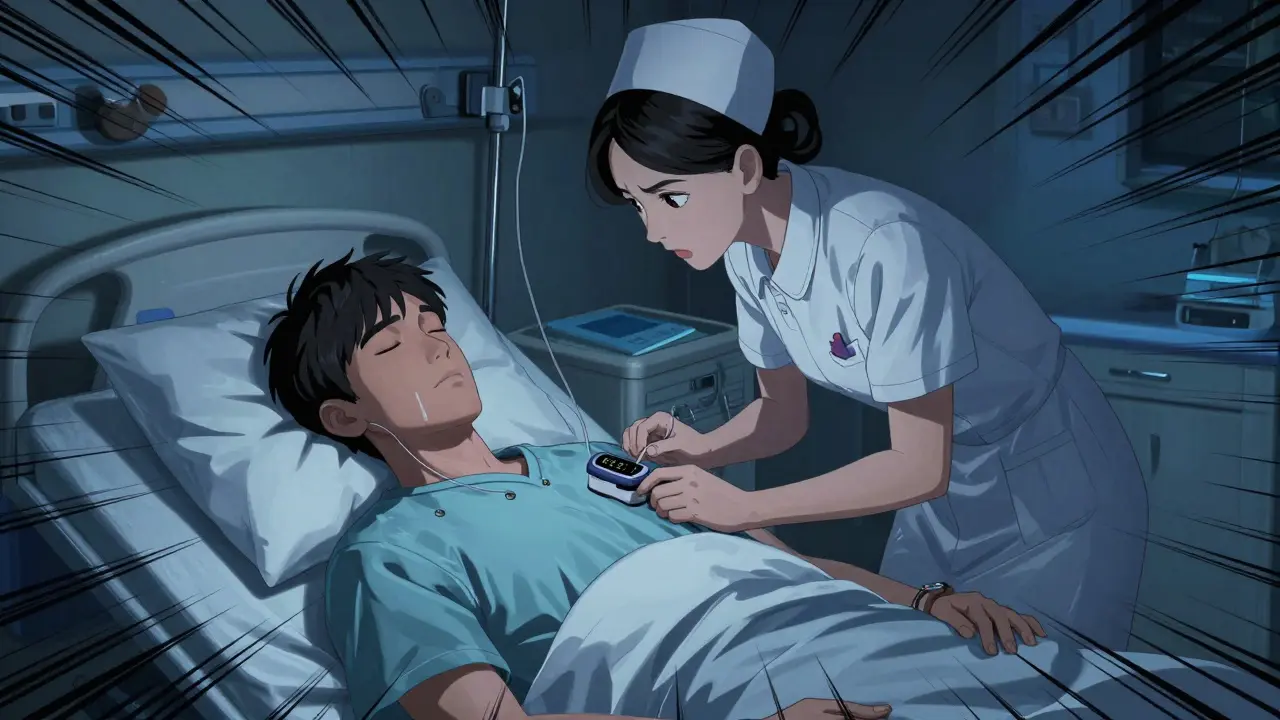
Imagine you are watching someone sleep. Their breathing is slow. Too slow. You check their pulse oximeter, and the numbers look okay because they are on supplemental oxygen. But inside their body, carbon dioxide is building up to dangerous levels. This is opioid-induced respiratory depression, a silent killer that affects thousands of patients annually in hospitals and at home. It is not just about "overdosing" in the street sense; it is a complex physiological failure where the brain stops telling the lungs to breathe properly. If you miss the early signs, the outcome can be permanent brain damage or death. The good news? It is largely preventable if you know what to look for.
What Is Respiratory Depression?
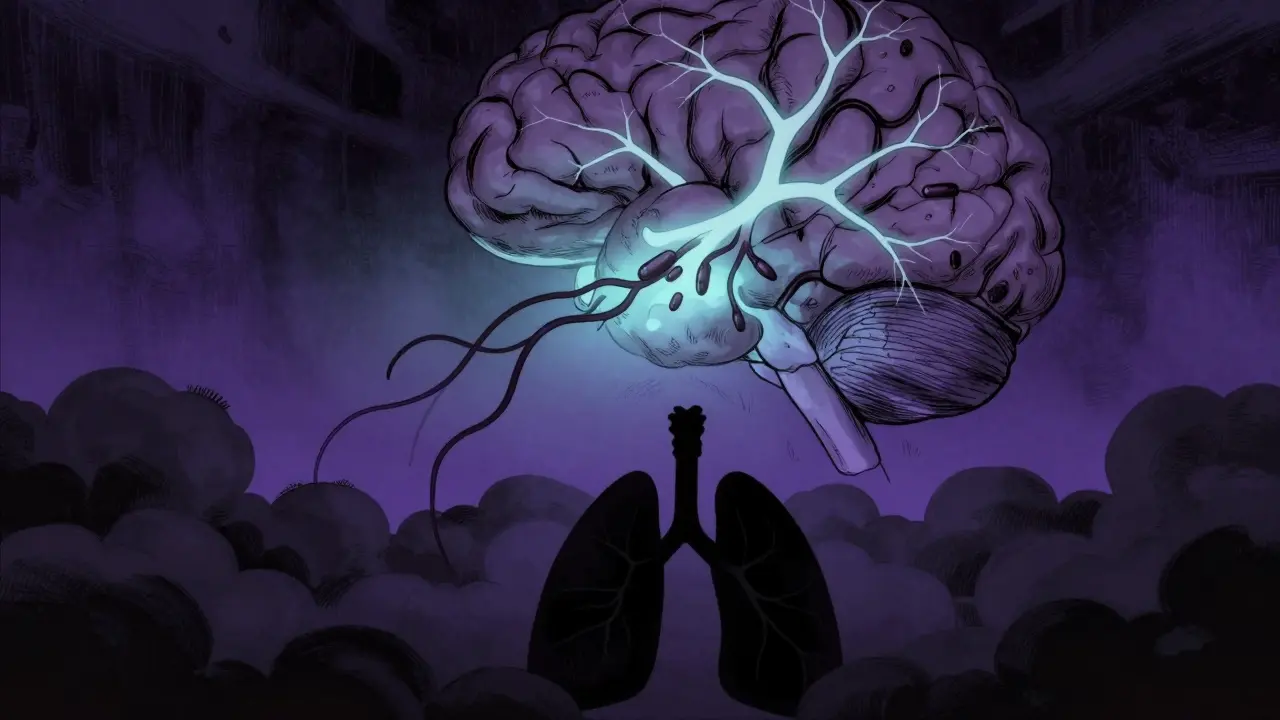
Respiratory depression is a condition where the rate and depth of breathing become insufficient to maintain normal gas exchange in the blood. When caused by opioids, it is formally known as OIRD (Opioid-Induced Respiratory Depression). Opioids bind to receptors in the brainstem-the part of your brain that controls automatic functions like breathing. When these receptors are overstimulated, the drive to breathe slows down or stops entirely.
The clinical definition is specific: a respiratory rate of fewer than 8 to 10 breaths per minute combined with low oxygen saturation. However, this definition has a trap. If a patient is receiving supplemental oxygen, their oxygen saturation might stay high even while they stop breathing effectively. In these cases, carbon dioxide (hypercapnia) builds up in the blood, leading to acidosis and coma. According to data from the Anesthesia Patient Safety Foundation (APSF), approximately 0.3% of postoperative patients in the United States require rescue medication (naloxone) annually. That translates to roughly 20,000 patients every year who come dangerously close to cardiac arrest due to medication side effects.
Critical Signs: What To Look For Immediately
You cannot rely on how a person looks alone. A patient might appear asleep but actually be in respiratory distress. Here are the critical signs, ranked by urgency:
- Slow Breathing (Bradypnea): This is the hallmark sign. Count the breaths for a full minute. If it is below 8-10 breaths per minute, act immediately. In confirmed OIRD cases, slow breathing is present 100% of the time.
- Unresponsiveness: Try to wake the person. Shake them gently. Call their name loudly. If they do not respond, or if they are difficult to rouse and drift back into unconsciousness instantly, this is a medical emergency.
- Pinpoint Pupils: While not always present, constricted pupils (miosis) are a classic sign of opioid toxicity. Shine a light in their eyes; if the pupils do not react normally, suspect opioids.
- Shallow or Irregular Breathing: Watch the chest rise. Is it barely moving? Are there long pauses between breaths (apnea)?
- Blue Lips or Fingernails (Cyanosis): This indicates severe hypoxia (low oxygen). By the time you see blue skin, the situation is critical.
Other symptoms often precede the breathing issues. According to the Cleveland Clinic, patients frequently report nausea (65% of cases), extreme lethargy (78%), and confusion (53%) before their breathing becomes critically slow. Do not ignore complaints of dizziness or headache when a patient has recently taken sedating medications.
High-Risk Factors: Who Is Most Vulnerable?
Not everyone reacts to opioids the same way. Some people have a genetic predisposition or physiological profile that makes them far more susceptible to respiratory depression. Understanding these risk factors is crucial for prevention.
| Risk Factor | Risk Increase | Why It Matters |
|---|---|---|
| Opioid Naïvete | 4.5x higher risk | The body has no tolerance. Standard doses can be toxic. |
| Advanced Age (>60) | 3.2x higher risk | Metabolism slows; drug clearance takes longer. |
| Female Sex | 1.7x higher risk | Hormonal and metabolic differences affect drug processing. |
| Benzodiazepine Use | 6.3x higher risk | Synergistic effect: both drugs suppress the CNS independently. |
| Multiple Comorbidities | 2.8x per condition | Conditions like sleep apnea or COPD reduce respiratory reserve. |
The most dangerous scenario is polypharmacy-specifically combining opioids with other central nervous system (CNS) depressants. Benzodiazepines (like Xanax or Valium), alcohol, and sleeping pills (like Ambien) all suppress breathing. When combined with opioids, the risk skyrockets by nearly 15 times. This is why doctors issue black box warnings for such combinations.
The Monitoring Trap: Why Pulse Oximeters Aren't Enough
Many people believe that a finger pulse oximeter is the ultimate safety device. It is helpful, but it has a major blind spot. A pulse oximeter measures oxygen saturation (SpO2). If a patient is breathing room air, their SpO2 will drop quickly if they stop breathing, giving you an alarm. But if the patient is on supplemental oxygen (common in hospitals or for severe asthma/COPD), the oxygen tank keeps their blood saturated even if they stop breathing for minutes. During this time, carbon dioxide (CO2) builds up. This is called hypercapnia.
To detect this hidden danger, clinicians use capnography. Capnography measures end-tidal CO2. According to APSF guidelines, continuous capnography has a 94% sensitivity for detecting respiratory depression in patients on supplemental oxygen, compared to lower reliability for pulse oximetry in those specific scenarios. At home, you don't have capnography. So, you must rely on observing the respiratory rate and responsiveness. Never assume a patient is safe just because their oxygen numbers look green.
Immediate Action: Reversal and Treatment
If you suspect respiratory depression, time is tissue. Brain cells begin to die within minutes without oxygen. Here is the step-by-step response protocol:
- Stimulate the Patient: Try to wake them. Rub the sternum firmly. Shout their name. If they wake up and start breathing normally, monitor them closely. If they do not respond, proceed to step 2.
- Call Emergency Services: Dial 911 (or your local emergency number) immediately. Tell them you suspect an opioid overdose.
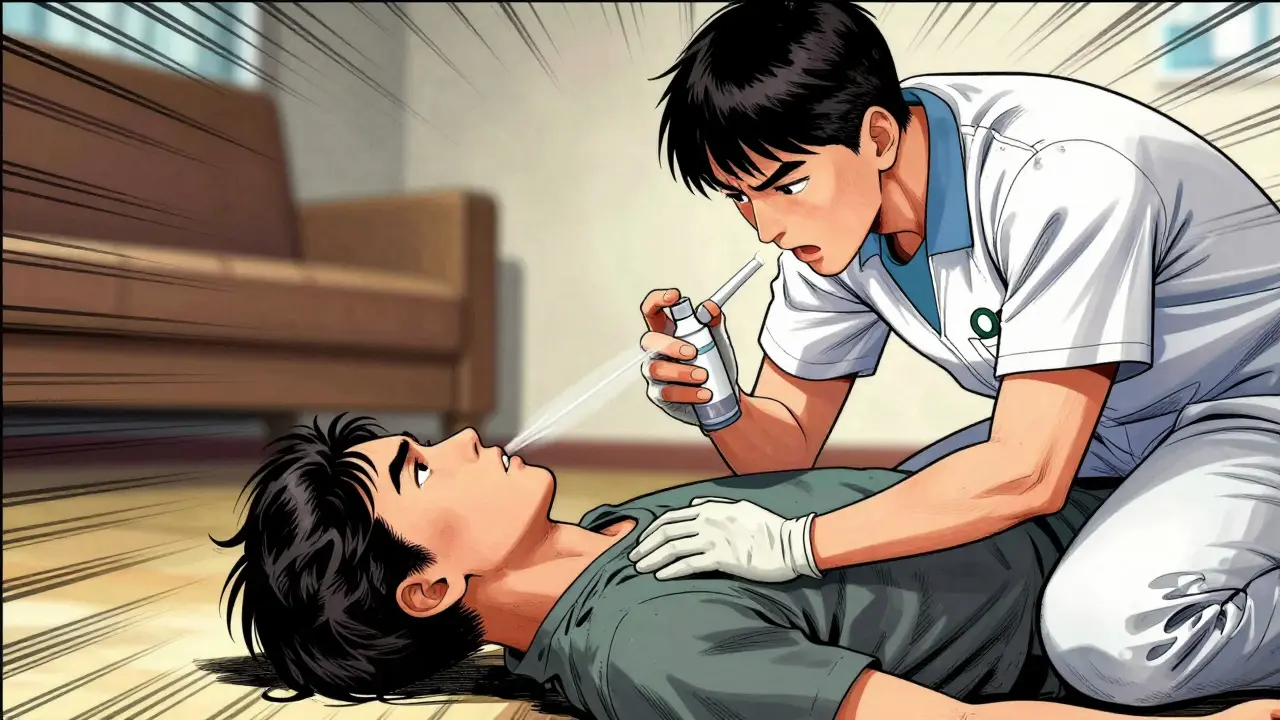
- Administer Naloxone: If available, use Naloxone (Narcan). Naloxone is an opioid antagonist-it kicks the opioid molecules off the brain receptors, restoring breathing. It can be given via nasal spray or injection.
- Note: Naloxone wears off faster than many opioids. The patient may stop breathing again after 30-90 minutes. They need hospital care regardless of whether they wake up.
- Support Breathing: If you are trained, perform rescue breathing or CPR if the heart stops. Keep the airway open.
In a hospital setting, treatment involves titrating naloxone carefully. Giving too much at once can cause acute withdrawal, which is painful and stressful for the heart. Doctors aim to restore breathing while maintaining some pain relief, especially in cancer patients or those with chronic pain.
Prevention Strategies for Patients and Caregivers
Prevention is far better than reversal. Whether you are a patient prescribed opioids for surgery or chronic pain, or a caregiver for an elderly parent, follow these rules:
- Never Mix Sedatives: Do not drink alcohol or take benzodiazepines unless explicitly approved by your doctor, who understands the risks.
- Start Low, Go Slow: For opioid-naïve patients, the lowest effective dose is the safest. Avoid fixed-schedule dosing if possible; use "as needed" dosing with careful monitoring.
- Monitor for 2 Hours: After taking a new dose or increasing the dose, monitor the patient's breathing and alertness for at least two hours. This is the peak window for respiratory depression.
- Keep Naloxone Handy: If you are prescribed opioids, ask your doctor for a prescription for naloxone. It costs little and saves lives. Many pharmacies offer it without a prescription now.
- Use Technology Wisely: Newer "smart" monitors can track breathing patterns and predict events 15 minutes before they happen. If you have a loved one with high risk, discuss these options with their healthcare provider.
The landscape of patient safety is changing. With CMS classifying severe OIRD as a "never event" (meaning hospitals should never let it happen), there is a push for better protocols. But ultimately, the first line of defense is awareness. Know the signs. Respect the power of these medications. And never hesitate to call for help if breathing slows down.
How long does respiratory depression last after stopping opioids?
The duration depends on the half-life of the opioid used. Short-acting opioids like morphine or fentanyl may cause depression that lasts 2-4 hours. Long-acting opioids like methadone or extended-release oxycodone can suppress breathing for 24 hours or more. This is why monitoring must continue well beyond the initial period of sedation.
Can respiratory depression happen from non-opioid medications?
Yes. Any central nervous system depressant can cause respiratory depression. This includes benzodiazepines (Xanax, Valium), barbiturates, certain antidepressants, antipsychotics, and alcohol. The risk increases significantly when these drugs are combined with opioids.
Is naloxone safe for everyone?
Yes, naloxone has no known abuse potential and is generally safe. Its only significant side effect is precipitating acute opioid withdrawal in dependent individuals, which causes discomfort (nausea, agitation, sweating) but is not life-threatening. In an emergency where breathing has stopped, saving the life outweighs the discomfort of withdrawal.
What is the difference between respiratory arrest and respiratory depression?
Respiratory depression is a slowing of breathing rate and depth. Respiratory arrest is the complete cessation of breathing. Depression is the warning stage that leads to arrest if untreated. Both are medical emergencies, but arrest requires immediate CPR and advanced life support.
Do older adults metabolize opioids differently?
Yes. Aging reduces kidney and liver function, which slows the clearance of drugs from the body. Additionally, older adults often have decreased muscle mass and altered body water distribution, which changes how drugs are distributed. This makes them more sensitive to standard doses, increasing the risk of respiratory depression by over 3 times compared to younger adults.