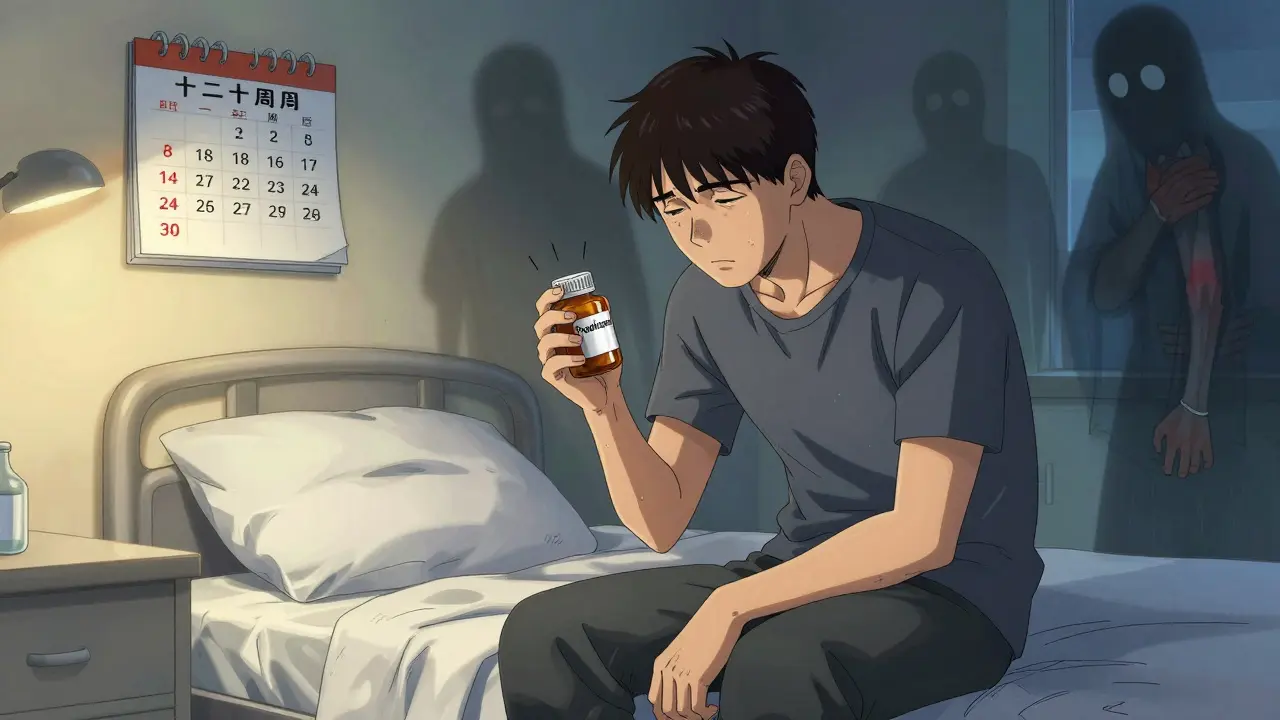
Stopping steroids suddenly can be dangerous-even if you feel fine. If you’ve been on prednisone or another glucocorticoid for more than three weeks, your body has stopped making its own cortisol. That’s normal. But when you cut the medicine too fast, your adrenal glands can’t catch up. The result? Fatigue so deep you can’t get out of bed, joint pain that feels like arthritis, dizziness from low blood pressure, or worse-a full-blown adrenal crisis. And if you’re managing an autoimmune disease like rheumatoid arthritis or inflammatory bowel disease, skipping the taper can trigger a flare worse than your original symptoms.
Why Tapering Isn’t Just a Recommendation-It’s a Medical Necessity
Glucocorticoids like prednisone are powerful. They silence inflammation fast. But they also trick your brain into thinking you don’t need your own cortisol. After just a few weeks of use, your hypothalamic-pituitary-adrenal (HPA) axis goes quiet. When you stop the drug abruptly, your body has no backup. This isn’t a myth. It’s science. The Mayo Clinic confirms that sudden withdrawal can lead to life-threatening adrenal insufficiency. And it’s not rare. Studies show nearly 1 in 5 emergency visits by recently tapered patients happen because they didn’t adjust their dose during an illness-like a cold or flu.
That’s why tapering isn’t optional. It’s a carefully timed process designed to give your body time to wake up its own cortisol production. The goal isn’t just to avoid feeling awful-it’s to prevent hospitalization.
How to Taper: The Three-Phase Approach
There’s no one-size-fits-all plan, but most experts follow a proven three-phase model based on dose and duration of use.
Phase 1: Rapid Taper (High Dose)
If you’re on more than 20 mg of prednisone daily, you start with bigger cuts. Drop by 5-10 mg every week until you hit 20 mg. This phase usually lasts 2-4 weeks. It’s safe because your body still has enough steroid pressure to keep cortisol production from crashing.
Phase 2: Gradual Taper (Mid Dose)
Once you’re at 20 mg or below, slow down. Reduce by 5 mg every two weeks-or even 2.5 mg weekly. This is where most people start feeling symptoms: fatigue, muscle aches, nausea, trouble sleeping. Don’t panic. These are signs your body is trying to restart, not that you’re getting sick again. But if pain or exhaustion hits hard, pause the taper. Stay at your current dose for another 7-10 days before trying again.
Phase 3: Slow Taper (Low Dose)
At 10 mg and below, every milligram matters. Drop by 2.5 mg every two weeks until you hit 5 mg. Then go even slower: reduce by 0.5-1 mg every 1-2 weeks. Some patients need 3-6 months just to get from 5 mg to zero. This isn’t slow because doctors are being cautious-it’s because your adrenal glands need time. Research shows full recovery can take up to 18 months after long-term use.
What to Expect: Withdrawal Symptoms You Can’t Ignore
Not everyone feels withdrawal-but most do. A WebMD survey found 68% of patients report symptoms during tapering. The most common ones:
- Extreme fatigue (42%)
- Joint and muscle pain (37%)
- Sleep problems (29%)
- Low appetite or nausea (21%)
- Anxiety or mood swings (18%)
These aren’t "just in your head." They’re real biological reactions. One Reddit user described dropping from 7.5 mg to 5 mg as "a tidal wave of joint pain" that forced them to hold their taper for two full weeks. That’s not weakness-it’s biology.
Here’s what helps:
- Movement: Ten-minute walks twice a day reduce stiffness by 57% compared to staying in bed.
- Warm water: Swimming or soaking in a hot tub eases muscle pain and improves circulation.
- Meditation: Just 10 minutes a day lowers anxiety and symptom severity by 43%.
One patient on GoodRx tapered from 40 mg to zero over 14 weeks with no issues-because they stuck to a 10% reduction every two weeks. Structure works.

Hydrocortisone vs. Prednisone: Should You Switch?
You might hear doctors suggest switching from prednisone to hydrocortisone before the final steps. The idea? Hydrocortisone has a shorter half-life, so it’s easier for your body to adjust.
But here’s the catch: there’s no strong evidence this works better. The Australian Prescriber says it’s sometimes used-but most patients successfully taper off prednisone without switching. A 2021 study found no major advantage. So unless your doctor has a specific reason (like severe withdrawal symptoms), stick with what you’re on. Don’t make the change harder than it needs to be.
What No One Tells You: Sick Day Rules
Here’s the most dangerous myth: "Once I’m off steroids, I’m fine." Not true. Even after you’ve finished tapering, your adrenal glands might still be asleep. If you get sick-fever, infection, surgery, even a bad flu-you need more steroid support.
The rule is simple: double your last dose during illness. If your last dose was 2.5 mg, take 5 mg for the duration of the illness. Then go back to zero once you’re well. This isn’t optional. It’s life-saving.
And if you don’t know your last dose? You’re at risk. A study in the British Journal of Clinical Pharmacology found 18% of ER visits by recently tapered patients were due to not adjusting during illness.
Carry a Steroid Alert Card-Even If You’re "Done"
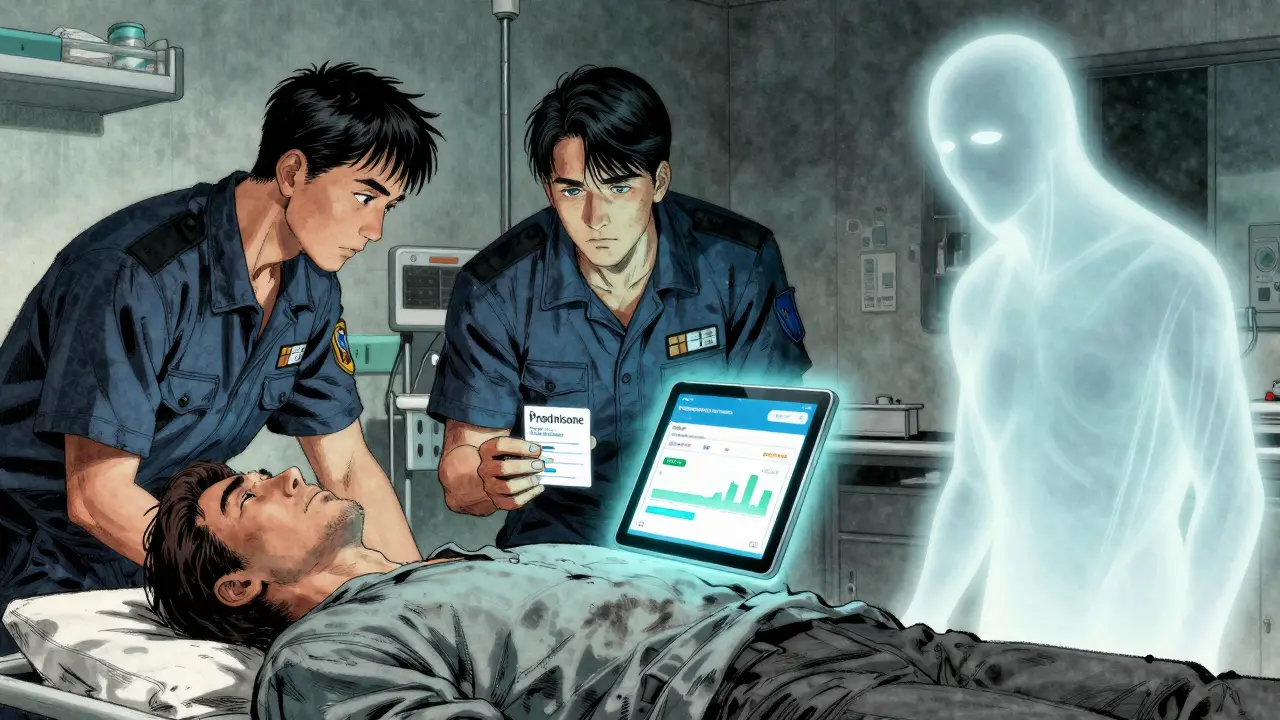
Doctors give you a card for a reason. It says: "This person was on long-term steroids. In an emergency, they may need intravenous hydrocortisone."
Keep it in your wallet. Or save it on your phone. Emergency responders aren’t mind readers. If you collapse from adrenal crisis, they need to know immediately. And yes-you need this card for at least 12 months after your last dose. For some, it’s two years. The Endocrine Society says HPA axis recovery can take up to 18 months.
What’s New in Tapering: Personalized Plans and AI Tools
Old-school tapering used fixed schedules: "Reduce by 5 mg every two weeks." Now, experts are shifting to disease activity-guided tapering. Instead of following a calendar, you reduce based on how your body responds. If your RA flare score stays low, you can go faster. If inflammation markers creep up, you pause.
And technology is catching up. The Prednisone Taper Assistant app (launched in 2023) lets you log symptoms daily. It uses AI to adjust your next dose based on patterns. In pilot studies, users stuck to their plan 82% better than those using paper schedules.
But don’t rely on apps alone. Always work with your doctor. These tools support-but don’t replace-clinical judgment.
What Happens If You Don’t Taper?
Let’s be clear: skipping the taper isn’t brave. It’s risky. You might feel okay for a few days. Then:
- Your joints lock up-so badly you can’t walk
- You collapse from low blood pressure
- Your autoimmune disease comes back harder than before
- You end up in the hospital needing higher doses than you started with
One 2022 malpractice case involved a patient who stopped prednisone cold turkey after a 6-month course. They developed adrenal crisis and needed ICU care. The court ruled the prescribing doctor failed to give written tapering instructions. That’s not rare. About 41% of complications come from patients not understanding their schedule.
Final Advice: Trust the Process
Steroid tapering isn’t about being patient. It’s about being smart. You’re not just avoiding discomfort-you’re protecting your body’s ability to heal itself. The goal isn’t to get off steroids fast. It’s to get off them safely.
Keep a log. Write down how you feel each day. Talk to your doctor before every dose change. Don’t skip doses. Don’t guess. And if you feel worse, don’t push through-pause and reassess.
It takes time. But if you do it right, you’ll not only avoid crisis-you’ll regain your health without the drug.
How long should a steroid taper last?
It depends on how long you were on steroids. For short-term use (under 3 weeks), a 1-2 week taper is usually enough. For long-term use (6+ months), expect 3-6 months of gradual reduction. The final phase-below 5 mg-can take weeks or even months because your adrenal glands need time to restart. Rushing this part increases the risk of withdrawal and disease flare.
Can I stop prednisone if I feel fine?
No. Feeling fine doesn’t mean your body is ready. Steroid withdrawal isn’t about how you feel today-it’s about whether your adrenal glands can produce enough cortisol on their own. Even if you’re symptom-free, stopping suddenly can trigger adrenal crisis days or weeks later. Always follow your doctor’s tapering schedule, even if you think you don’t need it.
What are the signs of adrenal insufficiency?
Signs include extreme fatigue, dizziness or fainting (especially when standing), nausea, vomiting, low blood pressure, muscle weakness, and darkening of the skin. In severe cases, it can lead to shock and death. If you have these symptoms during or after tapering, seek emergency care immediately. You may need intravenous hydrocortisone.
Should I get my cortisol levels tested during tapering?
Routine cortisol testing isn’t recommended for most people. The Australian Prescriber and other guidelines say there’s limited evidence that it improves outcomes. It’s usually only used if you have severe symptoms, are at high risk (like after long-term use), or if your doctor suspects adrenal failure. Don’t assume a blood test will tell you when to stop-you’ll still need to rely on symptoms and a structured plan.
Can I use natural remedies to help with withdrawal?
Yes-but not as a replacement. Gentle movement, warm-water therapy, meditation, and good sleep can reduce symptoms by up to 32%, according to patient studies. But they won’t replace the need for a proper taper. Don’t try to "boost" your adrenals with supplements like licorice root or ashwagandha without medical advice-they can interfere with your taper or cause other side effects.
Do I need to carry a steroid alert card forever?
No-but for at least 12 months after your last dose, yes. For people who were on steroids for over a year, the Endocrine Society recommends carrying it for up to 2 years. Your body may recover cortisol production faster than expected, but it’s not worth the risk. Emergency staff need to know immediately if you’ve had long-term steroid use. A simple card could save your life.


Ugh, I hate how doctors act like tapering is some sacred ritual. I was on 10mg for 4 months, felt great, and just stopped. No crisis. No hospital. Just… done. Maybe I’m just built different.